AI Appraisal Estimate

AI-generated estimates · not official valuations

From the user

What was submitted

Photo and notes provided by the user — not generated by AI

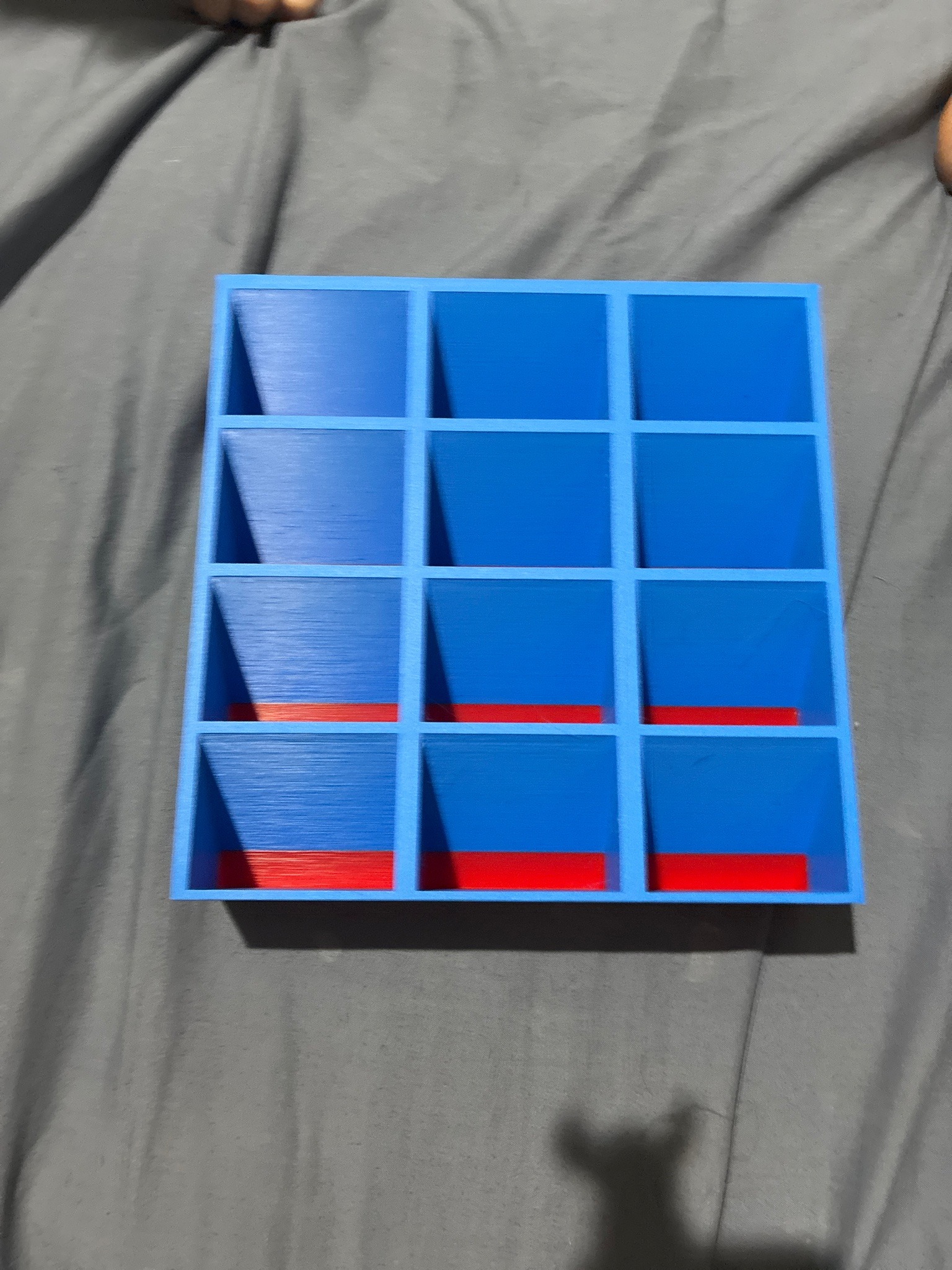
Submitted item photo
Submitted photo · May 30, 2026

User's notes

No additional notes provided.

AI analysis below

AI appraisal

AI analysis & estimate

AI-Generated · Verify before acting

Everything below is generated by AI for informational purposes only. AI can make mistakes — the AI may misidentify items or misattribute them (artist, maker, brand, designer, origin, era). This is not an official valuation and should not be used for insurance, sale, tax, estate, legal, or lending purposes — or any decision requiring a certified appraisal. It is not an authoritative claim about any person, brand, or rights holder — do not share or rely on it as a factual statement about a third party. Always consult qualified professionals before making financial decisions.

Read the full disclaimer

AI Identification

·Not independently authenticated·Verify before acting

3D Printed 12-Compartment Grid Tray

Storage and Organization

AI Estimated Value

·Not an official valuation·Verify before acting

$10 - $20

As of May 30, 2026

AI Item Analysis

·AI can make mistakes·Verify before acting
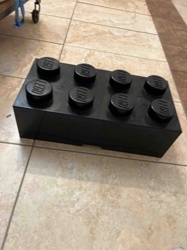
This item is a modern, 12-compartment storage tray or drawer organizer, featuring a 3x4 grid structure. It is constructed from thermoplastic, most likely PLA or PETG, and was produced using Fused Deposition Modeling (FDM) 3D printing technology. The body is primarily a vibrant royal blue, while the interior segments of the bottom row transition into a bold red color, indicating a filament change during the printing process. Distinct layer lines are visible across all interior and exterior surfaces, which is characteristic of the 3D printing manufacturing method. The individual square pockets appear to have uniform dimensions and vertical walls, suggesting a functional design for sorting small parts, game components, or hobby supplies. The craftsmanship shows typical hobbyist-level quality; the corners are sharp, and the walls appear rigid, though horizontal banding and slight surface textures inherent to extrusion-based printing are evident. There are no visible maker's marks, signatures, or branding, which is common for custom-printed digital models. The condition is excellent with no signs of structural damage, warping, or cracking, appearing to be a recently manufactured contemporary item. The tray sits flush, indicating a level print bed during its creation.
AI Appraisal Report

·AI can make mistakes·Verify before acting
I have examined the 12-compartment grid tray, a functional contemporary organizational piece manufactured via Fused Deposition Modeling (FDM). The item is in excellent condition, showing high structural integrity and crisp geometry. The bicolor execution—royal blue with red interior transitions—reflects a deliberate 'color swap' technique common in hobbyist 3D printing. Visible layer lines and slight horizontal banding are consistent with a standard 0.2mm to 0.3mm layer height, indicating this was printed on a consumer-grade machine using PLA or PETG thermoplastic. From a market perspective, the value of 3D-printed utilitarian items is primarily driven by material cost and print time rather than rarity or historical significance. This is a mass-producible object based on open-source or digital-storefront geometries. Comparables include generic drawer organizers found on platforms like Etsy or eBay, where similar custom-printed PLA trays typically sell for $10 to $20 depending on filament weight and finish quality. The primary limitation of this appraisal is the inability to physically verify the polymer type or the internal infill density, which affects durability and heat resistance. Without physical inspection, I cannot confirm if the color transition was intentional or a result of utilizing 'transition' scrap filament. Full authentication of the material safety (e.g., food safety or UV stability) would require chemical testing. In-person examination would also be necessary to check for 'ringing' or 'ghosting' artifacts on the reverse side and to assess the smoothness of the bottom layer, which determines the quality of the first-layer calibration. There is no significant secondary market for hobbyist-printed organizers, making its value purely utilitarian.

Get your items appraised

Instant estimates of your treasures with AI-powered appraisals

Browse More Appraisals