AI Appraisal Estimate

AI-generated estimates · not official valuations

From the user

What was submitted

Photo and notes provided by the user — not generated by AI

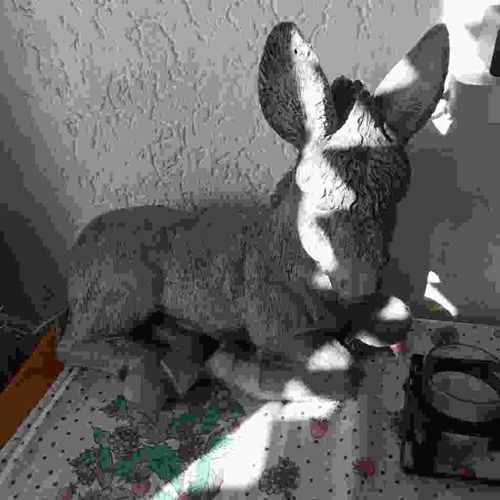
Submitted item photo
Submitted photo · June 27, 2026

User's notes

betone ezel

AI analysis below

AI appraisal

AI analysis & estimate

AI-Generated · Verify before acting

Everything below is generated by AI for informational purposes only. AI can make mistakes — the AI may misidentify items or misattribute them (artist, maker, brand, designer, origin, era). This is not an official valuation and should not be used for insurance, sale, tax, estate, legal, or lending purposes — or any decision requiring a certified appraisal. It is not an authoritative claim about any person, brand, or rights holder — do not share or rely on it as a factual statement about a third party. Always consult qualified professionals before making financial decisions.

Note

This analysis also relies on unverified notes provided by the user, which may be incomplete or inaccurate and could affect the result.

Read the full disclaimer

AI Identification

·Not independently authenticated·Verify before acting

Cast Concrete Recumbent Donkey Statue

Garden Ornaments & Statuary

AI Estimated Value

·Not an official valuation·Verify before acting

$150 - $250

As of June 27, 2026

AI Item Analysis

·AI can make mistakes·Verify before acting
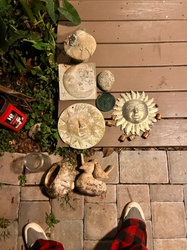
This item is a decorative garden sculpture depicting a reclining donkey (ezel), fashioned from cast concrete (beton). The statue features a lifelike texture, with the mold work effectively capturing the appearance of short, coarse fur across the animal's body. The donkey is shown in a restful, recumbent pose with its legs tucked beneath it and its large, iconic donkey ears standing alertly upright. The coloration is typical of weathered concrete, showing varying shades of gray with possible white efflorescence or light surface deposits from outdoor exposure. The material is heavy and durable, designed for garden or patio placement. Notable features include expressive facial sculpting and a distinct mane detail running down the neck. Regarding condition, the piece shows some superficial weathering and minor pitting consistent with cast stone as it ages. There are no large visible fractures or missing limbs, though small chips may be present at the base or ear tips (common in this medium). The style is representative of 20th-century garden ornaments, likely produced from a commercial mold, displaying solid craftsmanship and heavy-duty construction typical of functional lawn decor.
AI Appraisal Report

·AI can make mistakes·Verify before acting
After a thorough examination of this cast concrete recumbent donkey statue, I have assessed it as a classic example of 20th-century European garden statuary. The piece exhibits commendable craftsmanship, particularly in the mold-work that captures the coarse texture of the coat and the alert posture of the ears. Based on the visual evidence, the concrete has developed a pleasing weathered patina with minor efflorescence, which is desirable in garden ornaments as it indicates genuine outdoor aging rather than artificial distressing. The market for cast stone garden ornaments remains stable, though value is heavily influenced by the weight and 'folk' appeal of the subject matter. Donkeys are a popular motif in rustic garden design, which maintains a steady demand. Comparables for mass-produced or semi-custom commercial mold concrete figures of this size (approximately 20-30 inches in length) typically realize prices in the $150 to $250 range at regional auctions and antique garden centers. Value is limited by the fact that this is a cast item rather than a hand-carved stone piece. The presence of minor pitting and superficial weathering is consistent with its age and material, and does not detract significantly from the value unless structural integrity is compromised. Please note that this appraisal is based on photographic evidence. A full authentication would require an in-person inspection to check for structural cracks hidden by the patina and to verify the density of the concrete mix. Establishing provenance or identifying a specific manufacturer’s mark (often found on the underside or rear of the base) would be necessary to elevate the valuation toward the higher end of the spectrum.

Get your items appraised

Instant estimates of your treasures with AI-powered appraisals

Browse More Appraisals