AI Appraisal Estimate

AI-generated estimates · not official valuations

From the user

What was submitted

Photo and notes provided by the user — not generated by AI

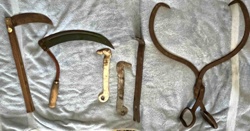
Submitted item photo
Submitted photo · May 18, 2026

User's notes

No additional notes provided.

AI analysis below

AI appraisal

AI analysis & estimate

AI-Generated · Verify before acting

Everything below is generated by AI for informational purposes only. AI can make mistakes — the AI may misidentify items or misattribute them (artist, maker, brand, designer, origin, era). This is not an official valuation and should not be used for insurance, sale, tax, estate, legal, or lending purposes — or any decision requiring a certified appraisal. It is not an authoritative claim about any person, brand, or rights holder — do not share or rely on it as a factual statement about a third party. Always consult qualified professionals before making financial decisions.

Read the full disclaimer

AI Identification

·Not independently authenticated·Verify before acting

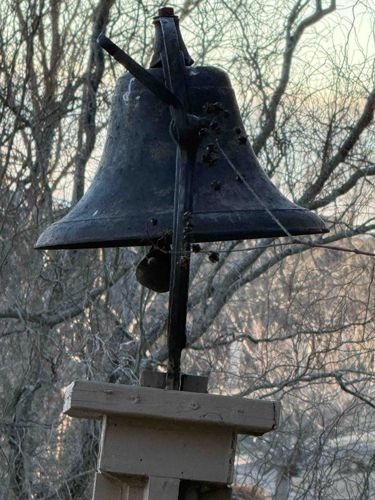
Antique Cast Iron Farm Bell with Yoke and Support Cradle

Antique Agricultural and Outdoor Hardware

AI Estimated Value

·Not an official valuation·Verify before acting

$350 - $600 USD

As of May 18, 2026

AI Item Analysis

·AI can make mistakes·Verify before acting
This is a vintage or antique farm bell, typically manufactured from heavy cast iron. The item features a traditional flared shape with a wide waist and rounded shoulder, leading to a crown and staple that secures it to its mounting hardware. The bell is housed in a cast iron yoke and cradle assembly, allowing it to pivot for tolling. The entire apparatus is mounted atop a weathered wooden post structure. Physically, the item exhibits an aged, dark brown to black patina with significant surface texture, suggesting long-term exposure to the elements and potential oxidation. The texture of the metal appears pitted in several areas, characteristic of sand-cast iron from the late 19th to early 20th century. Notable features include a lever arm on the side, designed to be connected to a rope for ground-level operation. While specific maker's marks are not clearly visible in the current lighting, such bells were commonly produced by foundries like C.S. Bell Co. or Goulds. There is evidence of organic growth and debris (such as dried vines or lichen) clinging to the cradle and metal surfaces, highlighting its exterior utility. The wooden post beneath shows signs of wear, including visible screw heads and splitting which may indicate a later, non-original mounting solution. The set appears robust and functional, though it would require cleaning and lubrication to return to its original acoustic quality.
AI Appraisal Report

·AI can make mistakes·Verify before acting
Based on my visual examination, this is a late 19th to early 20th-century cast iron farm bell. The 'No. 2' or 'No. 3' sizing typically seen in these pieces suggests common utility use rather than a large church or school bell. The sand-cast pitting and heavy oxidation confirm significant age, consistent with period foundries such as C.S. Bell Co. of Hillsboro, Ohio. The patina is authentic to long-term exterior exposure; however, the heavy rust and organic growth adversely affect the value as they may mask structural 'stress cracks' which can destroy the bell's acoustic resonance. Market demand for farm bells remains steady among collectors of 'Industrial Americana' and rural decor. Comparable sales for unidentified cast iron bells in this condition range from $300 to $500, while identified pieces (bearing marks from Hillsboro or Crystal) can fetch $600+. The wooden support is a modern addition of negligible value. Limitations: My assessment is based solely on visual inspection of the provided description and image. A definitive valuation is hampered by the lack of a visible foundry mark or size number, which are often located on the yoke or the crown. In-person examination is required to 'ring' the bell to ensure a clear, sustained tone; a 'thud' would indicate an internal crack, reducing the value by 70-80%. Furthermore, cleaning the grime from the yoke is necessary to find embossed markings that would confirm provenance and increase marketability. Scientific testing is not standard for this class of item, but physical verification of the mounting hardware's integrity is recommended for safety.

Get your items appraised

Instant estimates of your treasures with AI-powered appraisals

Browse More Appraisals