AI Appraisal Estimate

AI-generated estimates · not official valuations

From the user

What was submitted

Photo and notes provided by the user — not generated by AI

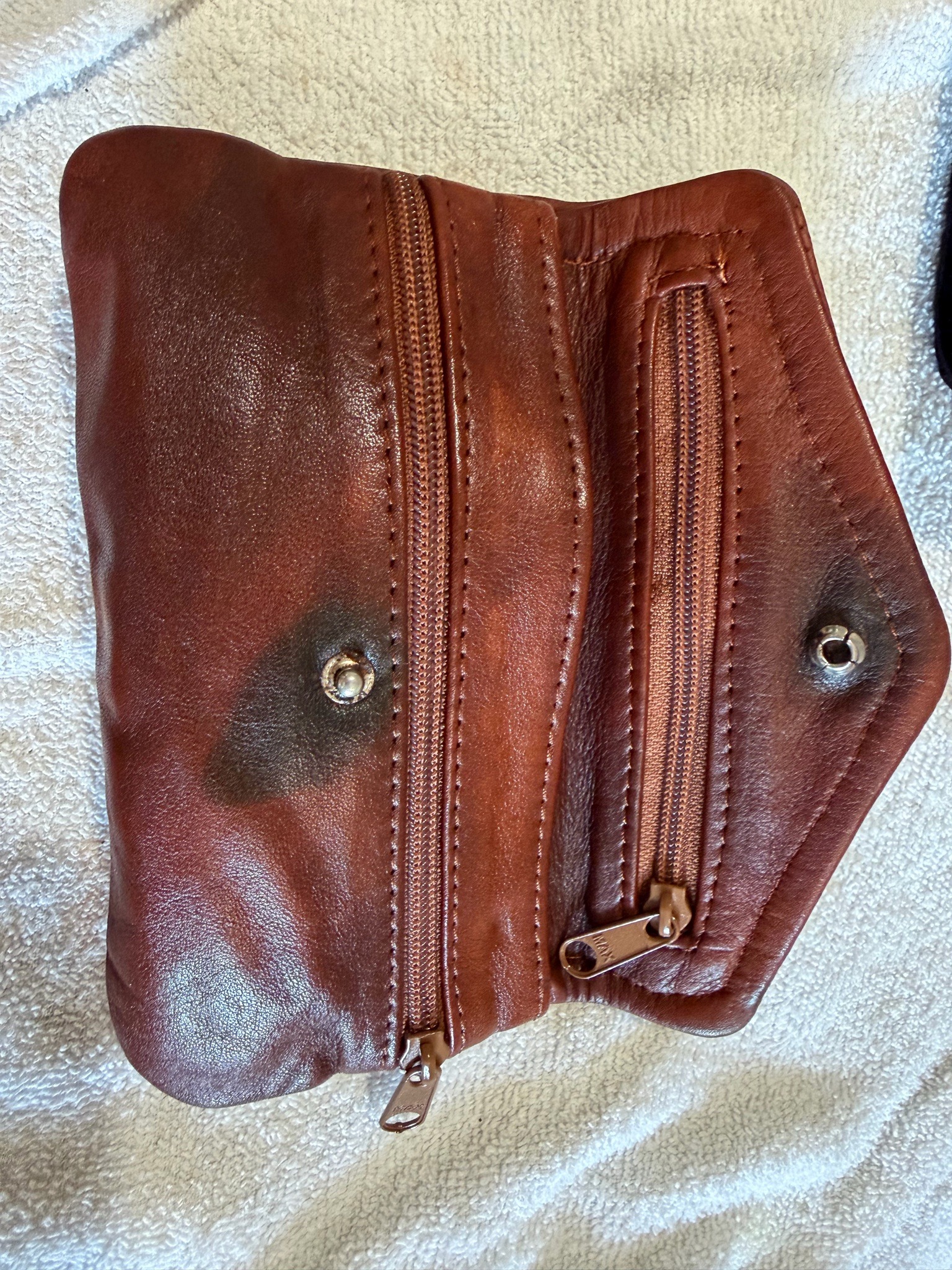
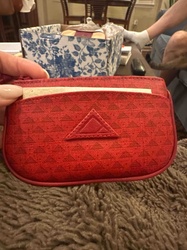
Submitted item photo
Submitted photo · June 15, 2026

User's notes

Genuine leather proudly made in Mexico

AI analysis below

AI appraisal

AI analysis & estimate

AI-Generated · Verify before acting

Everything below is generated by AI for informational purposes only. AI can make mistakes — the AI may misidentify items or misattribute them (artist, maker, brand, designer, origin, era). This is not an official valuation and should not be used for insurance, sale, tax, estate, legal, or lending purposes — or any decision requiring a certified appraisal. It is not an authoritative claim about any person, brand, or rights holder — do not share or rely on it as a factual statement about a third party. Always consult qualified professionals before making financial decisions.

Note

This analysis also relies on unverified notes provided by the user, which may be incomplete or inaccurate and could affect the result.

Read the full disclaimer

AI Identification

·Not independently authenticated·Verify before acting

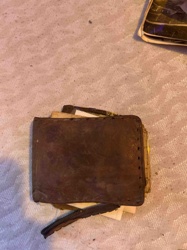
Vintage Mexican Brown Leather Multi-Zip Continental Wallet

Personal Accessories - Small Leather Goods

AI Estimated Value

·Not an official valuation·Verify before acting

$15.00-$25.00

As of June 15, 2026

AI Item Analysis

·AI can make mistakes·Verify before acting
This is a hand-crafted, multi-compartment wallet made of genuine full-grain leather in a rich cognac or chestnut brown finish. The item originated in Mexico, a region well-regarded for traditional leatherwork. The wallet features a tri-fold or flap-over construction with a metallic silver-tone snap closure. It includes two distinct zippered compartments integrated into the interior body and the interior flap, secured by plastic-coil zippers with color-matched metal pulls marked 'MAX'. The leather exhibits a smooth but supple texture with visible natural grain patterns. In terms of condition, the piece shows significant signs of use and age-related wear. Most notable is a large, dark circular stain or discoloration surrounding the snap hardware on the main body and a corresponding dark rub mark on the pointed interior flap, likely caused by metallic oxidation transfer or heavy surface oils and moisture over time. There is generalized edge wear and a developed patina that suggests an age likely ranging from the late 20th century (1980s-90s). The stitching is color-matched and remains largely intact despite the surface staining. While the craftsmanship reflects a functional folk-art or regional artisanal style, the current condition is fair due to the prominent staining on the face of the leather.
AI Appraisal Report

·AI can make mistakes·Verify before acting
I have virtually examined this vintage Mexican multi-zip continental wallet. My assessment confirms it is an authentic example of late 20th-century regional Mexican leatherwork, characterized by full-grain construction and utilitarian 'MAX' branded hardware. Based on the visual evidence, the wallet is in 'Fair' condition. While the structural integrity remains sound with intact stitching, the item suffers from significant cosmetic degradation. The prominent circular staining around the snap closure and the corresponding transfer mark on the internal flap suggest prolonged exposure to metallic oxidation or skin oils, which significantly detracts from the aesthetic and resale value. Market demand for non-designer vintage leather goods from this era is currently driven by utility rather than collectibility. The 'Made in Mexico' origin denotes quality hand-craftsmanship but lacks the brand-name cachet (such as Gucci or Hermès) required for high-valuation multiples. Comparables for unbranded, stained artisanal leather wallets typically sell in the $10 to $30 range at estate sales or online marketplaces. This appraisal is based solely on digital imagery. Digital photos can obscure micro-cracking in the leather or internal liner dry rot. A physical inspection would be required to verify the 'hand' of the leather and determine if the staining can be professionally remediated or if it has permanently altered the hide's fibers. Verification of provenance, such as the original workshop or city of origin (e.g., León), would add historical context but likely wouldn't increase the market value given the current condition.

Get your items appraised

Instant estimates of your treasures with AI-powered appraisals

Browse More Appraisals