AI identification & appraisal estimate

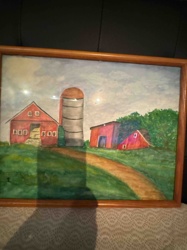
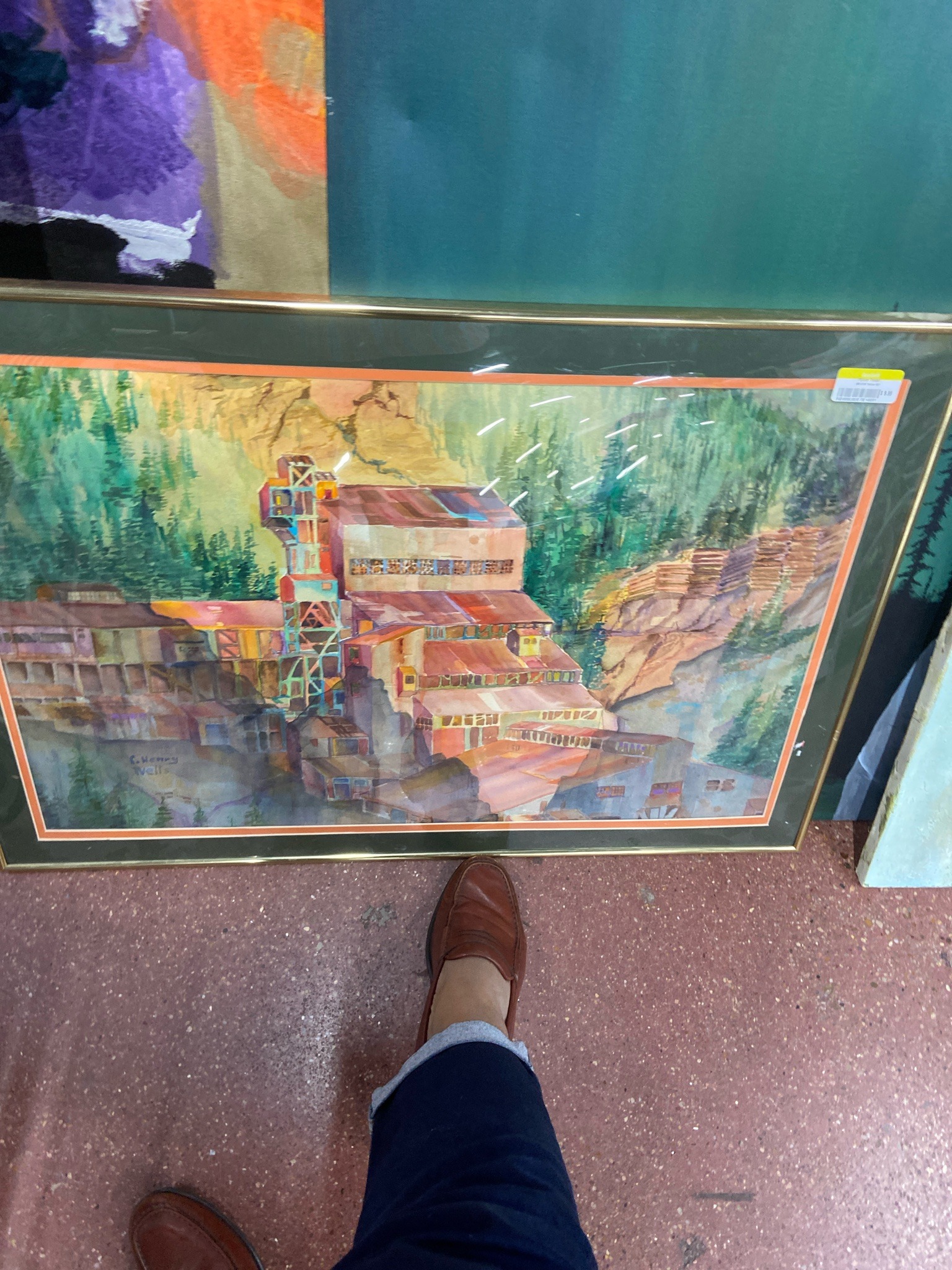
Original Watercolor Landscape Painting by C. Henry Wells

Submitted photo of Original Watercolor Landscape Painting by C. Henry Wells
Photo submitted by the user — not generated by AI

User's notes

C Henry wells

These notes were written by the person who submitted this item. Appraiser.AI has not verified them, and the AI's identification and estimate may rely on them.

AI Estimated Value

Not an official valuation

$450 - $700

AI estimate as of May 14, 2026 · verify with a professional before acting

AI-Generated · Verify before acting

Everything on this page is generated by AI for informational purposes only. AI can make mistakes — the AI may misidentify items or misattribute them (artist, maker, brand, designer, origin, era). This is not an official valuation and should not be used for insurance, sale, tax, estate, legal, or lending purposes — or any decision requiring a certified appraisal. It is not an authoritative claim about any person, brand, or rights holder — do not share or rely on it as a factual statement about a third party. Always consult qualified professionals before making financial decisions.

This analysis also relies on unverified notes provided by the user, which may be incomplete or inaccurate and could affect the result.

Read the full disclaimer

AI Item Analysis

This item is an original watercolor painting on paper attributed to the artist C. Henry Wells. The artwork depicts a complex industrial mining structure, likely a tipple or processing mill, nestled into a mountainous landscape with a dense evergreen forest backdrop. The composition is executed in a mid-to-late 20th-century impressionistic style, utilizing a warm palette of ochre, rust-red, and pale orange for the architectural elements, contrasted against the cool greens and atmospheric blues of the surrounding wilderness. The brushwork is expressive and fluid, typical of watercolor media, with visible layering and wet-on-wet techniques. The piece is signed 'C. Henry Wells' in the lower left quadrant in a blue-grey pigment. Physically, the artwork is double-matted with a forest green outer mat and a thin orange inner accent mat, and it is housed in a contemporary thin gold-toned metallic frame under glass or acrylic. Based on the artist's known body of work and the framing style, the piece likely dates from the 1970s to the 1990s. The condition appears fair to good; while the pigment remains vibrant, there are some visible reflections on the glazing and a retail price sticker is present on the top right corner of the frame. The scale of the work relative to the viewer's foot suggests larger-than-standard dimensions, approximately 24 by 36 inches. The craftsmanship reflects a professional level of technical proficiency in architectural perspective and landscape balance.


AI Appraisal Report

I have conducted a visual appraisal of the original watercolor landscape attributed to C. Henry Wells. The work displays a proficient command of the watercolor medium, showcasing the artist's signature ability to balance rigid industrial architecture with organic wilderness. The signature in the lower left quadrant aligns with known examples of Wells' script from the late 20th century. The condition appears stable with vibrant pigment retention, though the presence of an adhesive retail sticker on the frame suggests it was previously sold in a gallery or commercial setting. The double-mating and contemporary metallic frame are consistent with 1980s-90s presentation standards. The market for mid-century and late-20th-century regional landscapes remains steady, though values for watercolor works on paper are generally more conservative than oils. Comparables for Wells' industrial-themed landscapes of this scale typically realize mid-hundred-dollar figures at regional auctions and specialized galleries. The large scale of this piece (approx. 24x36 inches) significantly enhances its decorative appeal and marketability. However, visual inspection via digital images has limitations. I cannot verify the type of paper, the presence of acid-free mounting materials, or the existence of foxing/UV-related fading hidden under the matting. Detailed provenance—such as a gallery receipt or exhibition history—would solidify its secondary market value. Full authentication would require a physical examination out of the frame to inspect the paper's watermark and back-side notations. This valuation represents a Fair Market Value for a work of this caliber in the current regional art market.

Keep exploring

More fine art / paintings appraisals

Get your items appraised

Instant AI-powered appraisal estimates from a photo

Browse More Appraisals