AI Appraisal Estimate

AI-generated estimates · not official valuations

From the user

What was submitted

Photo and notes provided by the user — not generated by AI

Submitted item photo
Submitted photo · June 3, 2026

User's notes

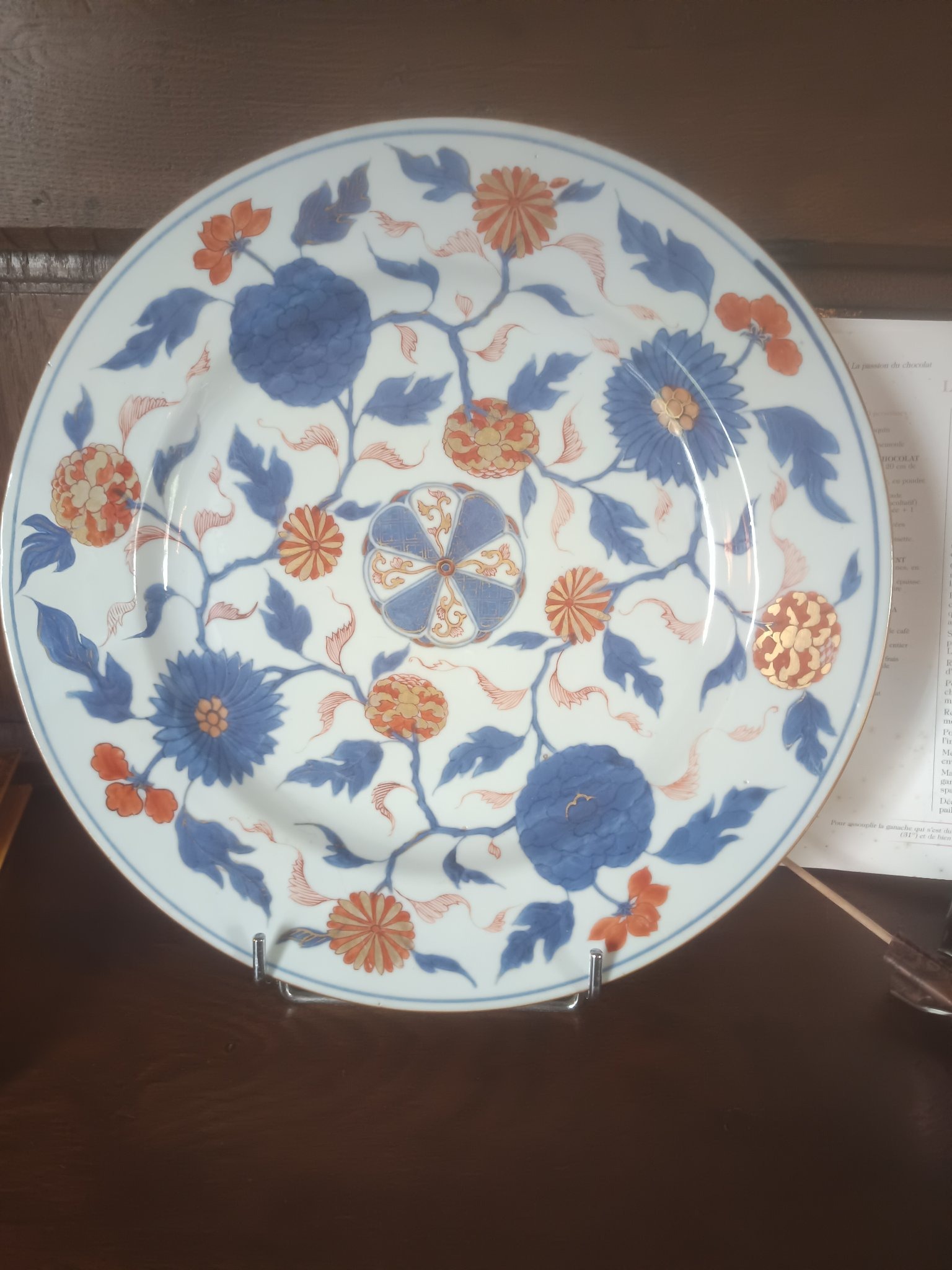
plat de la compagnie des Indes xix diamètre 30cm bon état mais réparé

AI analysis below

AI appraisal

AI analysis & estimate

AI-Generated · Verify before acting

Everything below is generated by AI for informational purposes only. AI can make mistakes — the AI may misidentify items or misattribute them (artist, maker, brand, designer, origin, era). This is not an official valuation and should not be used for insurance, sale, tax, estate, legal, or lending purposes — or any decision requiring a certified appraisal. It is not an authoritative claim about any person, brand, or rights holder — do not share or rely on it as a factual statement about a third party. Always consult qualified professionals before making financial decisions.

Note

This analysis also relies on unverified notes provided by the user, which may be incomplete or inaccurate and could affect the result.

Read the full disclaimer

AI Identification

·Not independently authenticated·Verify before acting

Chinese Export-style porcelain platter with Imari-style palette

Antique Ceramics

AI Estimated Value

·Not an official valuation·Verify before acting

$400 - $700

As of June 3, 2026

AI Item Analysis

·AI can make mistakes·Verify before acting
This ceramic platter features a circular form with a wide rim, decorated in an overglaze enamel palette consisting of underglaze blue, iron-red, and gilt highlights, a combination stylistically consistent with the Imari or 'Compagnie des Indes' export style. The central motif is a circular medallion divided into blue and white segments with gold scrolling, surrounded by a dense, sprawling floral pattern of peonies and chrysanthemums. The owner identifies this as a 19th-century 'plat de la compagnie des Indes' with a diameter of approximately 30cm, which is a claim that remains unverified without physical inspection and analysis of the clay body and glaze. The craftsmanship displays fine hand-painted details and scrolling vine work that are characteristic of 18th or 19th-century aesthetic norms for the European export market. In terms of condition, while the owner mentions a repair, it is not immediately obvious on the front-facing photograph, though some minor kiln grits or glaze irregularities appear consistent with older production methods. No maker's mark or reign mark is visible in the image, necessitating a hedged identification based on stylistic characteristics. Physical verification by a specialist is required to confirm the exact age and origin.

AI Appraisal Report

·AI can make mistakes·Verify before acting
I have reviewed the provided image of the ceramic platter, which the owner identifies as a 19th-century 'plat de la compagnie des Indes' measuring approximately 30cm. Based on what I can see, the piece features an Imari-style palette of iron-red, underglaze blue, and gilt highlights that appears consistent with Chinese Export wares produced for the European market. From the photo, the hand-painted floral motifs and scrolling vine work suggest a level of craftsmanship associated with 18th or 19th-century production; however, I cannot verify the exact age or the composition of the clay body and glaze without a physical inspection. The owner notes the item is in good condition but has been repaired. While this repair is not readily visible in the front-facing image, any restoration typically impacts value compared to an pristine example. My valuation range of $400 to $700 assumes the piece is a period 19th-century export item. This estimate reflects the general market demand for Chinese decorative export porcelain, where mid-sized platters are frequently sought by collectors of traditional interiors. This value depends entirely on successful authentication; to confirm this, an in-person examination by a specialist is required to check for kiln marks, glaze shrinkage, and the nature of the repair. If physical analysis suggest the piece is a modern 20th-century reproduction or a later 'in the style of' copy, the value would likely decrease significantly, potentially falling into the $50 to $150 range. Documentation of provenance or a professional condition report would be necessary to reach a more precise valuation.

Get your items appraised

Instant estimates of your treasures with AI-powered appraisals

Browse More Appraisals