AI Appraisal Estimate

AI-generated estimates · not official valuations

From the user

What was submitted

Photo and notes provided by the user — not generated by AI

Submitted item photo
Submitted photo · May 27, 2026

User's notes

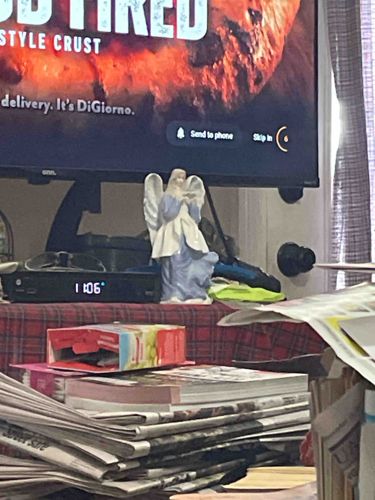
Glass angle holding dove

AI analysis below

AI appraisal

AI analysis & estimate

AI-Generated · Verify before acting

Everything below is generated by AI for informational purposes only. AI can make mistakes — the AI may misidentify items or misattribute them (artist, maker, brand, designer, origin, era). This is not an official valuation and should not be used for insurance, sale, tax, estate, legal, or lending purposes — or any decision requiring a certified appraisal. It is not an authoritative claim about any person, brand, or rights holder — do not share or rely on it as a factual statement about a third party. Always consult qualified professionals before making financial decisions.

Note

This analysis also relies on unverified notes provided by the user, which may be incomplete or inaccurate and could affect the result.

Read the full disclaimer

AI Identification

·Not independently authenticated·Verify before acting

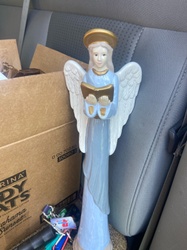
Glazed Porcelain Angel Figurine with Dove

Collectibles - Religious Figurines

AI Estimated Value

·Not an official valuation·Verify before acting

$10.00 - $25.00

As of May 27, 2026

AI Item Analysis

·AI can make mistakes·Verify before acting
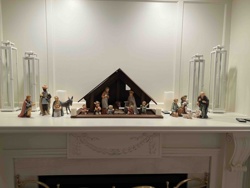
This is a small decorative figurine depicting a winged angel standing in a serene pose, holding a small white bird, likely a dove, in both hands close to its chest. The figurine is constructed from glazed porcelain or ceramic materials. The color palette features a predominantly sky-blue gown with a white or cream-colored apron or tabard overlay. The angel has white, feathered wings that are positioned upward and slightly flared behind the shoulders. The craftsmanship indicates a molded production process typical of late 20th-century giftware (circa 1980s-2000s), similar in style to manufacturers like Enesco, Precious Moments, or Lefton, though no specific maker's mark is visible from the distance. The figure stands on an integral base that flows into the drapery of the gown. Physically, the item appears to be in fair condition, though the low resolution of the image makes it difficult to detect fine crazing, hairline fractures, or small chips in delicate areas like the wing tips or bird's tail. There is no visible sign of significant repair. The piece exhibits a glossy finish, suggesting it would have a smooth, reflective surface in person. This type of figurine was widely produced for the mass market and often utilized as a religious or commemorative gift.
AI Appraisal Report

·AI can make mistakes·Verify before acting
I have examined the digital representation of this glazed porcelain angel figurine. Based on the material composition, glaze application, and stylistic features, it is my assessment that this is a mass-produced decorative item typically manufactured for the giftware market between 1980 and 2005. The execution of the molded wings and the facial features are characteristic of distributors such as Enesco, Lefton, or various department store imports. Direct visual inspection from the images suggests the item is in fair condition. However, porcelain of this nature is highly susceptible to micro-fractures (crazing) and small chips on protruding extremities like the bird’s beak or wing tips; these defects are not fully discernible without a high-magnification lens. The market for generic religious figurines remains saturated, with a high volume of supply and low rarity. Comparables on secondary markets (such as eBay or thrift boutiques) consistently sell within the $10 to $25 range, depending on the presence of an original box or specific maker labels. There is a notable limitation in this appraisal: without a physical inspection, I cannot verify the presence of a maker's mark on the underside of the base, which could marginally influence value if attributed to a more collectible brand like Lladro or Swarovski (though the aesthetic suggests a more common origin). A full authentication would require an in-person tactile check for repairs, a UV light test to identify hidden adhesive residues, and provenance documentation such as a bill of sale or catalog entry to confirm the specific manufacturer and year of production.

Get your items appraised

Instant estimates of your treasures with AI-powered appraisals

Browse More Appraisals