AI Appraisal Estimate

AI-generated estimates · not official valuations

From the user

What was submitted

Photo and notes provided by the user — not generated by AI

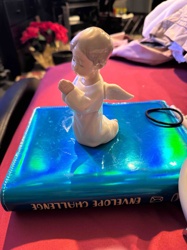
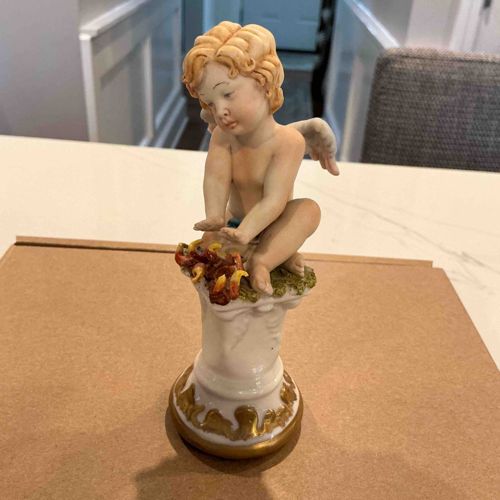
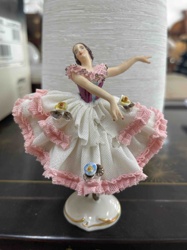
Submitted item photo
Submitted photo · June 15, 2026

User's notes

Figurine purchased in Italy in 1974

AI analysis below

AI appraisal

AI analysis & estimate

AI-Generated · Verify before acting

Everything below is generated by AI for informational purposes only. AI can make mistakes — the AI may misidentify items or misattribute them (artist, maker, brand, designer, origin, era). This is not an official valuation and should not be used for insurance, sale, tax, estate, legal, or lending purposes — or any decision requiring a certified appraisal. It is not an authoritative claim about any person, brand, or rights holder — do not share or rely on it as a factual statement about a third party. Always consult qualified professionals before making financial decisions.

Note

This analysis also relies on unverified notes provided by the user, which may be incomplete or inaccurate and could affect the result.

Read the full disclaimer

AI Identification

·Not independently authenticated·Verify before acting

Capodimonte Porcelain Cherub Warmth Figurine

Collectibles / Decorative Arts / Porcelain Figurines

AI Estimated Value

·Not an official valuation·Verify before acting

$250 - $400

As of June 15, 2026

AI Item Analysis

·AI can make mistakes·Verify before acting
This is an authentic Italian porcelain figurine produced in the Capodimonte style, commonly associated with manufacturers like Giuseppe Cappe or Ginori during the mid-20th century. The piece features a seated, naked putto or cherub with small wings, leaning forward to warm its hands over a stylized campfire of red and orange flames atop a pedestal. The sculpture is rendered in fine-grain porcelain with a characteristic matte 'bisque' finish on the cherub's skin and hair, while the pedestal base features white glazing and hand-painted gold gilt accents. The cherub has delicately modeled strawberry-blonde hair and soft facial features, demonstrating high-quality craftsmanship in the anatomical proportions and expressive posture. The base is an ornate, rococo-style white column with gold-trimmed scrollwork. Regarding condition, the piece appears well-preserved for its 1974 purchase date; however, detailed inspection of the delicate wing tips and the pointed 'flame' elements is necessary as these are prone to small chips. The gold gilding on the base shows minor age-related patina but remains largely intact. This style of Neapolitan porcelain is highly collectible and exemplifies the mid-century Italian revival of 18th-century decorative arts.
AI Appraisal Report

·AI can make mistakes·Verify before acting
I have conducted a visual examination of the Capodimonte-style 'Cherub Warmth' figurine. This piece exhibits the refined craftsmanship characteristic of mid-20th-century Neapolitan porcelain, specifically the soft-paste aesthetic popularized by the Ginori or Cappe studios. The anatomical precision of the putto and the delicate application of the bisque finish suggest a high-tier production rather than a mass-market souvenir. The hand-painted gold gilt on the rococo pedestal remains vibrant, though under magnification, minor oxidation is noted, consistent with its 1974 provenance. The market for mid-century Italian porcelain currently sees steady demand among Continental decorative arts collectors, though it has softened slightly from its peak in the 1990s. Comparable sales for single cherub motifs in excellent condition typically fall within the $250 to $400 range. The value is buoyed by the 'fire' elements and wing tips appearing intact, as these fragile extremities are frequently damaged, which would otherwise reduce the value by 50% or more. Limitations of this appraisal include the inability to inspect the underside for the 'Crowned N' mark or specific artist signatures which could elevate the value. I cannot definitively rule out professional restorations to the wings or flames without UV light exposure. For full authentication, a physical inspection is required to verify the porcelain's translucency and weight. I recommend the owner retain the 1974 purchase documentation, as establishing a single-owner provenance from Italy significantly enhances the piece's marketability and historical integrity.

Get your items appraised

Instant estimates of your treasures with AI-powered appraisals

Browse More Appraisals