AI Appraisal Estimate

AI-generated estimates · not official valuations

From the user

What was submitted

Photo and notes provided by the user — not generated by AI

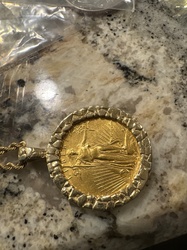
Submitted item photo
Submitted photo · June 2, 2026

User's notes

Coin

AI analysis below

AI appraisal

AI analysis & estimate

AI-Generated · Verify before acting

Everything below is generated by AI for informational purposes only. AI can make mistakes — the AI may misidentify items or misattribute them (artist, maker, brand, designer, origin, era). This is not an official valuation and should not be used for insurance, sale, tax, estate, legal, or lending purposes — or any decision requiring a certified appraisal. It is not an authoritative claim about any person, brand, or rights holder — do not share or rely on it as a factual statement about a third party. Always consult qualified professionals before making financial decisions.

Note

This analysis also relies on unverified notes provided by the user, which may be incomplete or inaccurate and could affect the result.

Read the full disclaimer

AI Identification

·Not independently authenticated·Verify before acting

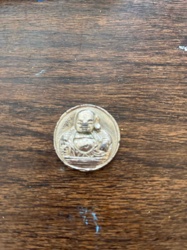
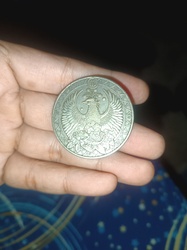
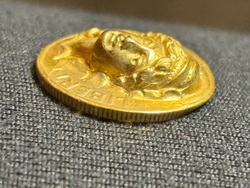
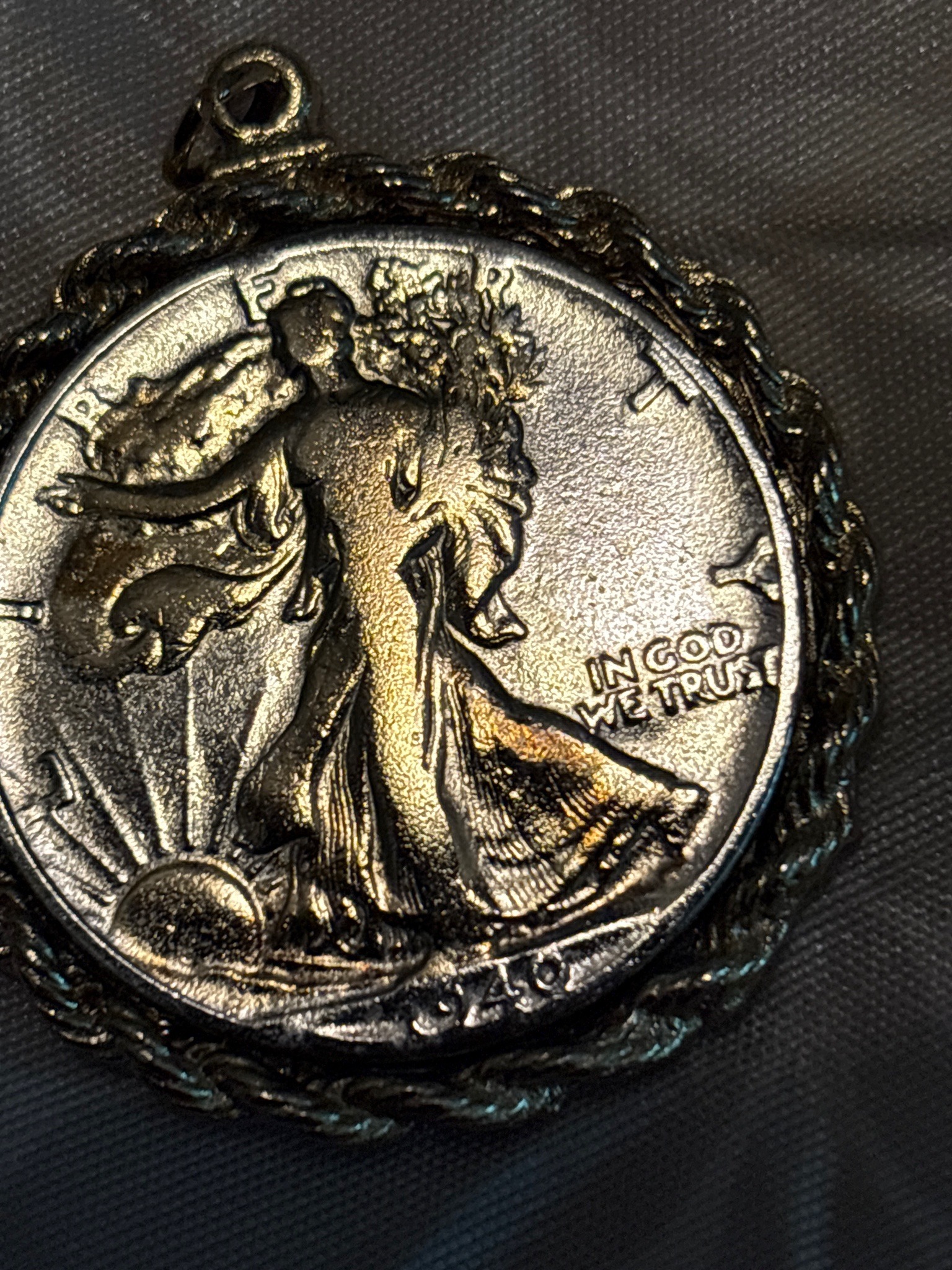
1940 Walking Liberty Half Dollar Coin Pendant

Fine Jewelry / Numismatic Collectibles

AI Estimated Value

·Not an official valuation·Verify before acting

$45 - $65

As of June 2, 2026

AI Item Analysis

·AI can make mistakes·Verify before acting
This item is a United States Walking Liberty Half Dollar, dated 1940, which has been mounted into a decorative jewelry bezel for use as a pendant. The coin, originally designed by Adolph A. Weinman, is composed of 90% silver and 10% copper. It features the iconic image of Lady Liberty walking toward a rising sun, draped in the American flag and carrying branches of laurel and oak. The reverse (not visible) typically features a bald eagle. The coin is encased in a thick, ornate rope-style bezel, likely gold-toned or gold-filled, which includes a suspension loop (bale) at the top for a neck chain. To the left of the date '1940' at the bottom, there appears to be a mint mark or wear pattern near the rim. Regarding condition, the coin displays significant physical wear consistent with circulation prior to being mounted. Notable flattening is visible on the high points of Liberty's breast, shoulder, and the folds of the gown. There is a distinct dark, oily-looking patina or localized tarnish concentrated on the left side of the coin over the sun and Liberty's lower garment. Several surface scratches and small rim dings are visible, particularly near the date. The bezel itself shows signs of age with some darkening in the recessed twists of the rope design. While the coin's numismatic grade is lowered by the 'jewelry' mounting and surface wear, it remains a classic example of early 20th-century American silver coinage repurposed as a personal accessory.
AI Appraisal Report

·AI can make mistakes·Verify before acting
Based on my visual examination of the 1940 Walking Liberty Half Dollar pendant, I have assessed the item as a common-date silver coin repurposed for jewelry. The coin itself shows wear consistent with a 'Fine' to 'Very Fine' grade were it not for the mounting; however, the act of mounting a coin in a bezel typically results in rim damage or 'ex-jewelry' status, which significantly eliminates numismatic premium for collectors. The 90% silver content provides a solid intrinsic floor value. The dark, localized patina and surface scratches suggest a history of wear, and the bezel appears to be gold-filled or a base metal alloy rather than solid 14k gold, as the latter would typically feature a more refined bale and hallmark. Market demand for such pieces is driven primarily by 'junk' silver silver prices and aesthetic appeal as a vintage accessory rather than rarity. The 1940 mintage is high (over 9 million from the Philadelphia mint), making it a common find. Comparables for sterling or gold-filled mounted Walking Liberties of this condition range from $40 to $80 in retail settings. Limitations: This appraisal is based on photographic evidence only. Visual inspection cannot definitively confirm metal purity or weight. To provide a finalized valuation, I would require an in-person examination to test the bezel's gold content via X-ray fluorescence (XRF) or acid testing and weigh the item to determine exact melt value. Furthermore, a physical inspection would identify if the coin has been 'cleaned' or polished—both of which further impact value. No provenance was provided to suggest historical significance.

Get your items appraised

Instant estimates of your treasures with AI-powered appraisals

Browse More Appraisals