AI identification & appraisal estimate

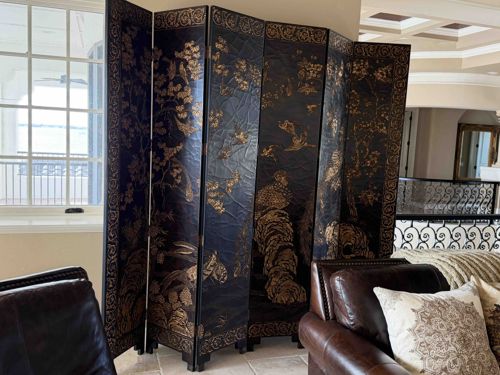
Six-Panel Chinese Chinoiserie Lacquer Folding Floor Screen

Submitted photo of Six-Panel Chinese Chinoiserie Lacquer Folding Floor Screen
Photo submitted by the user — not generated by AI

AI Estimated Value

Not an official valuation

$400 - $800

AI estimate as of February 2, 2026 · verify with a professional before acting

AI-Generated · Verify before acting

Everything on this page is generated by AI for informational purposes only. AI can make mistakes — the AI may misidentify items or misattribute them (artist, maker, brand, designer, origin, era). This is not an official valuation and should not be used for insurance, sale, tax, estate, legal, or lending purposes — or any decision requiring a certified appraisal. It is not an authoritative claim about any person, brand, or rights holder — do not share or rely on it as a factual statement about a third party. Always consult qualified professionals before making financial decisions.

Read the full disclaimer

AI Item Analysis

This is a large-scale, six-panel folding floor screen featuring a multi-dimensional Chinoiserie landscape. The piece is constructed from wood panels finished in a deep black lacquer ground, embellished with intricate gold leaf or metallic paint detailing. The central composition depicts a continuous, expansive landscape across all six panels, featuring stylized mountain rockery, flowering trees - appearing to be cherry or plum blossoms - and various avian figures in flight and perched. Surrounding the central scene is a formal border with repeating scrolling floral and vine motifs, characteristic of traditional Chinese decorative arts intended for the export market. Each panel is supported by small integral feet. The artwork displays a textured, raised application technique, possibly coromandel or a thick lacquer build-up, giving the figures a relief quality. The color palette is dominated by the contrast between the dark background and the shimmering gold-toned imagery. Regarding condition, there is visible surface wear including fine craquelure and some blistering of the lacquer finish, particularly on the central panels, which suggests age and exposure to environmental fluctuations. The hinges appear intact, though minor wood loss or chipping typically found at the corners of such vintage pieces is likely present upon close inspection. The craftsmanship reflects a high level of decorative detail typical of mid-20th-century revivals or earlier export pieces.

AI Appraisal Report

Based on my visual examination of this six-panel folding floor screen, it appears to be a vintage Chinese export piece, likely dating from the mid-to-late 20th century rather than the Qing Dynasty era it emulates. The decorative technique involves raised gold imagery on a black lacquer ground, a style often referred to as Chinoiserie. The composition is expansive and visually striking, featuring traditional motifs of rockery, flowering branches, and birds, bordered by a formal floral scroll. The condition, however, is a significant limiting factor affecting the value. I observe visible surface issues, including pronounced blistering and craquelure in the lacquer, particularly within the central panels. This level of delamination suggests environmental stress (humidity or heat) and makes restoration difficult and costly compared to the screen's market value. While the overall aesthetic remains dramatic, these condition issues place it firmly in the 'decorative' rather than 'collectible antique' category. In the current market, prices for 20th-century lacquer screens have softened. While earlier, pristine Coromandel screens can command thousands, later decorative examples with condition issues typically sell in the hundreds at local auctions or estate sales. The value is driven primarily by its utility as a large-scale room divider and interior design element rather than serious investment potential. **Note on Authentication:** My assessment is limited to digital inspection. To confirm the specific age or workshop origin, I would need to physically examine the hinges, the wood substrate on the reverse, and the depth of the lacquer layering. Authentic 19th-century or earlier examples would require provenance documentation and analysis of the joinery techniques not visible here.

Keep exploring

More antique/vintage furniture & decor appraisals

Get your items appraised

Instant AI-powered appraisal estimates from a photo

Browse More Appraisals