AI Appraisal Estimate

AI-generated estimates · not official valuations

From the user

What was submitted

Photo and notes provided by the user — not generated by AI

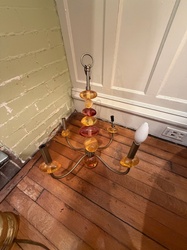
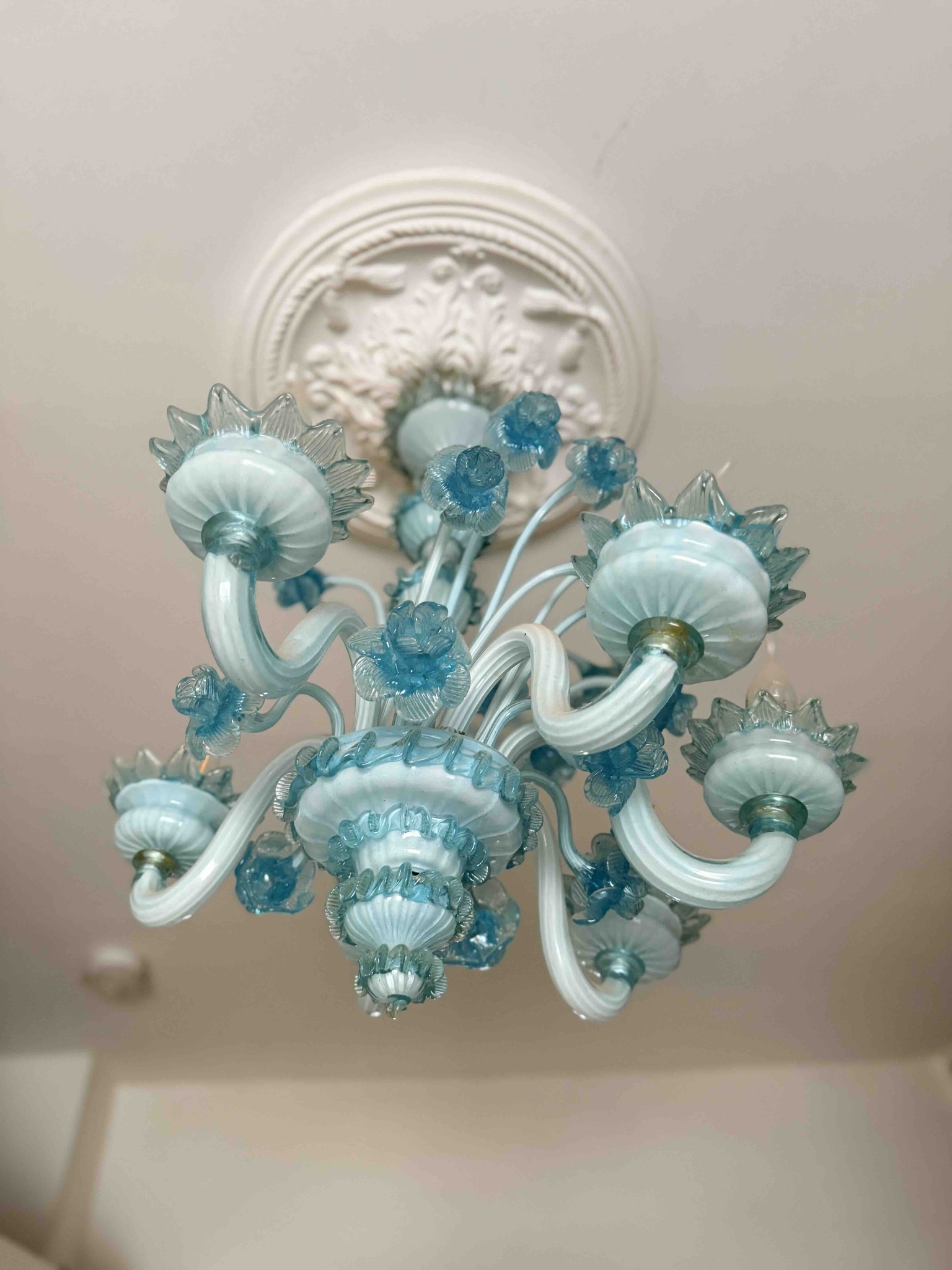
Submitted item photo
Submitted photo · May 27, 2026

User's notes

No additional notes provided.

AI analysis below

AI appraisal

AI analysis & estimate

AI-Generated · Verify before acting

Everything below is generated by AI for informational purposes only. AI can make mistakes — the AI may misidentify items or misattribute them (artist, maker, brand, designer, origin, era). This is not an official valuation and should not be used for insurance, sale, tax, estate, legal, or lending purposes — or any decision requiring a certified appraisal. It is not an authoritative claim about any person, brand, or rights holder — do not share or rely on it as a factual statement about a third party. Always consult qualified professionals before making financial decisions.

Read the full disclaimer

AI Identification

·Not independently authenticated·Verify before acting

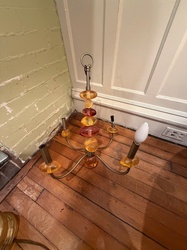
Murano Glass Blue and White Opaline Chandelier

Antique Lighting & Chandeliers

AI Estimated Value

·Not an official valuation·Verify before acting

$4,500 - $6,500

As of May 27, 2026

AI Item Analysis

·AI can make mistakes·Verify before acting
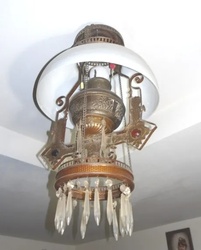
This is a multi-point Murano glass chandelier, likely originating from Venice, Italy, dating to the mid-to-late 20th century. The fixture is crafted using traditional hand-blown glass techniques, featuring a striking combination of white opaline glass and transluscent sky-blue glass accents. The central column and various 'S-shaped' arms are fashioned from ribbed white glass, while the decorative elements consist of intricately formed glass rosettes and ruffled bobeches in a matching blue hue. Notable features include the delicate 'rigadin' (ribbed) texture on the glass arms and the crimped edges of the decorative flowers, showcasing high-quality Italian craftsmanship. The chandelier is mounted against a decorative white plaster ceiling medallion. Regarding condition, the glass appears bright and well-maintained, though minor surface dust is visible. Close inspection suggests typical minor signs of age; one of the blue glass petals appears to have a slight structural inconsistency common in handmade glass. There are no immediate signs of large cracks or previous professional repairs visible from this angle. The wiring appears integrated, though its internal age cannot be confirmed. This style is consistent with the 'Rezzonico' influence, often associated with makers like Murano Mazzega or Seguso, though no maker's mark is visible in the provided image.
AI Appraisal Report

·AI can make mistakes·Verify before acting
Based on my remote visual examination, this is a mid-20th-century Murano glass chandelier executed in the Neoclassical style with 'Rezzonico' influences. The craftsmanship is high-quality, characterized by the 'rigadin' ribbing on the S-scroll arms and the expertly crimped 'latte e azzurro' (milk and blue) opaline glass. The integration of translucent sky-blue accents against the opaque white body is a sought-after colorway in the current decorative arts market. Condition-wise, the glass maintains excellent luster. The noted structural inconsistency on a blue petal appears to be a 'pontil mark' or a cooling striation inherent to hand-blown glass rather than damage. Authenticity is supported by the specific articulation of the rosettes and bobeches, which are consistent with high-end mid-century workshops like Seguso or Barovier & Toso. Market demand for Italian lighting remains robust, particularly for multi-tier fixtures in pastel palettes, which often outperform traditional clear crystal in contemporary interior design. However, there are limitations to this digital appraisal. I cannot verify the integrity of the internal steel frame or the safety of the wiring. The absence of a visible 'Murano' acid stamp or foil label necessitates a 'liquid' valuation. To confirm authenticity and reach the upper end of the valuation range, an in-person inspection of the internal metal structure is required to check for 'Made in Italy' stamps. Provenance documentation or a gallery invoice would further solidify its origin. Without physical handling, I cannot guarantee that all glass components are original to the piece or if some have been replaced with contemporary reproductions.

Get your items appraised

Instant estimates of your treasures with AI-powered appraisals

Browse More Appraisals