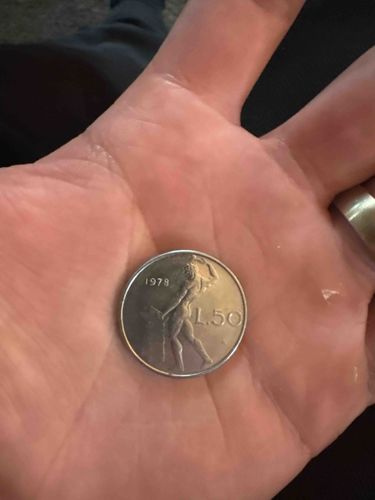
1978 Italian 50 Lire Coin (Vulcano)
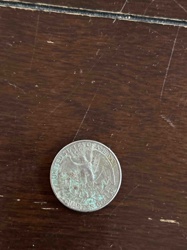
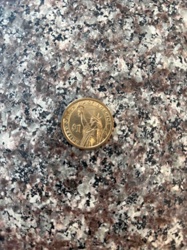
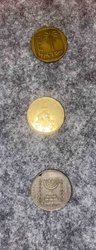
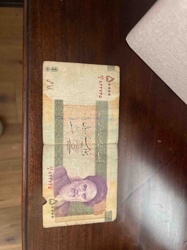
This is a 1978 Italian 50 Lire coin, minted primarily in Acmonital (Acciaio Monetario Italiano), a stainless steel alloy typical of Italian coinage of the period. The coin has a diameter of approximately 24.8mm and features a plain edge. On the reverse side shown, the design depicts the god Vulcan (Vulcano), symbolizing industry and work, standing at an anvil with a hammer raised. Adjacent to the figure is the denomination 'L. 50' and the mintage year '1978'. The obverse, though not fully visible, traditionally features the 'Repubblica Italiana' head with oak leaves. The coin displays a bright, metallic luster characteristic of high-chromium steel, with minor surface abrasions and light circulation wear visible on the high points of the relief. The strike is sharp, maintaining the fine details of Vulcan's musculature and the anvil. There are no signs of heavy corrosion or deep scratching, suggesting it is in a decent circulated grade. This specific variety was a staple of Italian currency until the adoption of the Euro in 2002. The craftsmanship reflects the distinct neoclassical aesthetic of the Roman mint (Istituto Poligrafico e Zecca dello Stato).
AI-Generated Appraisal Disclaimer
Estimated Value
$1.00-$5.00
Basic Information
Category
Numismatics / Currency
Appraised On
February 12, 2026
Estimated Value
$1.00-$5.00
Item Description
This is a 1978 Italian 50 Lire coin, minted primarily in Acmonital (Acciaio Monetario Italiano), a stainless steel alloy typical of Italian coinage of the period. The coin has a diameter of approximately 24.8mm and features a plain edge. On the reverse side shown, the design depicts the god Vulcan (Vulcano), symbolizing industry and work, standing at an anvil with a hammer raised. Adjacent to the figure is the denomination 'L. 50' and the mintage year '1978'. The obverse, though not fully visible, traditionally features the 'Repubblica Italiana' head with oak leaves. The coin displays a bright, metallic luster characteristic of high-chromium steel, with minor surface abrasions and light circulation wear visible on the high points of the relief. The strike is sharp, maintaining the fine details of Vulcan's musculature and the anvil. There are no signs of heavy corrosion or deep scratching, suggesting it is in a decent circulated grade. This specific variety was a staple of Italian currency until the adoption of the Euro in 2002. The craftsmanship reflects the distinct neoclassical aesthetic of the Roman mint (Istituto Poligrafico e Zecca dello Stato).
Related Tags
Get Your Items Appraised
Instant estimates of your treasures with AI-powered instant appraisals