AI Appraisal Estimate

AI-generated estimates · not official valuations

From the user

What was submitted

Photo and notes provided by the user — not generated by AI

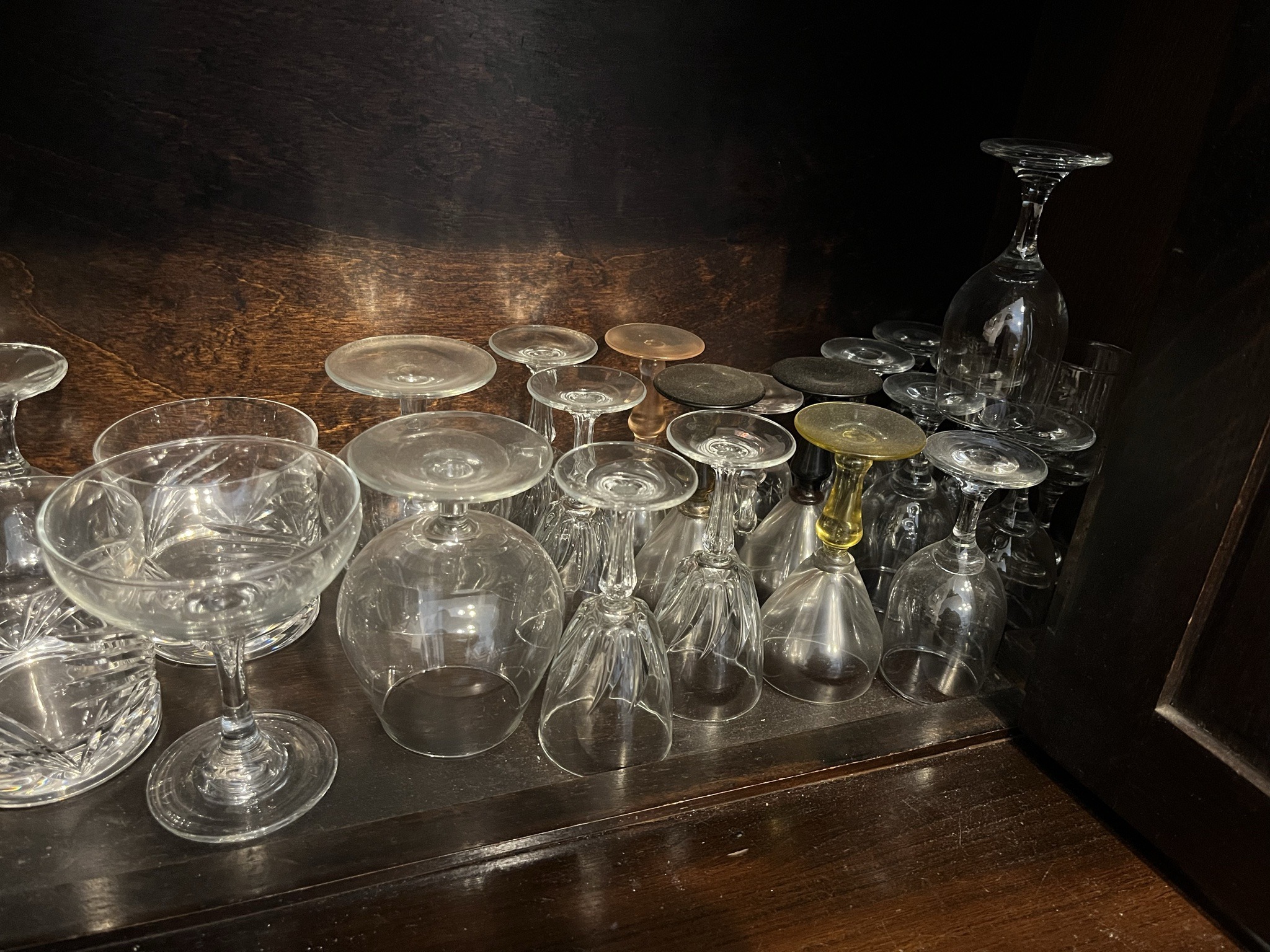
Submitted item photo
Submitted photo · June 1, 2026

User's notes

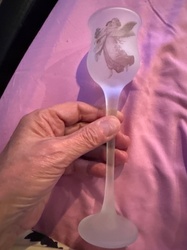
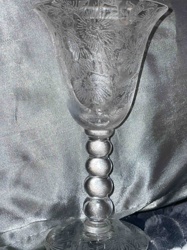
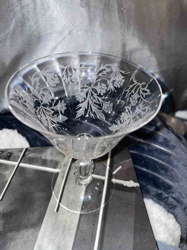
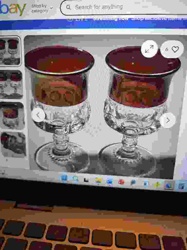
Various crystal glasses

AI analysis below

AI appraisal

AI analysis & estimate

AI-Generated · Verify before acting

Everything below is generated by AI for informational purposes only. AI can make mistakes — the AI may misidentify items or misattribute them (artist, maker, brand, designer, origin, era). This is not an official valuation and should not be used for insurance, sale, tax, estate, legal, or lending purposes — or any decision requiring a certified appraisal. It is not an authoritative claim about any person, brand, or rights holder — do not share or rely on it as a factual statement about a third party. Always consult qualified professionals before making financial decisions.

Note

This analysis also relies on unverified notes provided by the user, which may be incomplete or inaccurate and could affect the result.

Read the full disclaimer

AI Identification

·Not independently authenticated·Verify before acting

Assorted Collection of Crystal and Glass Stemware

Glassware and Stemware

AI Estimated Value

·Not an official valuation·Verify before acting

$150 - $250

As of June 1, 2026

AI Item Analysis

·AI can make mistakes·Verify before acting
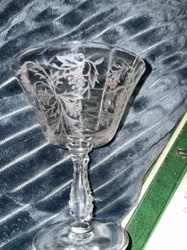
This collection consists of approximately 15 to 20 pieces of assorted crystal and glass stemware, primarily stored in an inverted position within a dark wood cabinet. The assemblage includes a diverse range of styles: large balloon wine glasses, classic tulip-shaped vessels, champagne coupes, and smaller liqueur or sherry glasses. One prominent piece is a cut-crystal champagne coupe featuring deep, geometric wedge cuts along the bowl, indicative of traditional 20th-century craftsmanship. Notable color variations are present, including a stem with a distinctive amber-yellow tint and another with a subtle pink or rose-colored bowl/base. The construction ranges from hand-blown glass with smooth finishes to molded pieces with decorative vertical ribbing and paneled stems. Several pieces exhibit the high clarity and refractive index associated with lead crystal, while others appear to be standard soda-lime glass. Condition-wise, the items show a heavy accumulation of surface dust and significant clouding, particularly on the footed bases, which may be a result of hard water deposits or long-term storage in a humid environment. There are no immediate visible cracks or deep chips, but a thorough cleaning is required to assess the potential for permanent etching. The collection appears to be a mix of mid-to-late 20th-century glassware, likely spanning from the 1960s to the 1990s, representing various manufacturers.
AI Appraisal Report

·AI can make mistakes·Verify before acting
I have evaluated this collection of 15 to 20 pieces of assorted stemware. My examination reveals a heterogeneous mixture of mid-to-late 20th-century glassware. The cut-crystal champagne coupe is the most distinguished piece, exhibiting the sharp faceting characteristic of high-lead-content crystal. The presence of colored amber and rose components adds aesthetic variety but indicates the collection was likely assembled piecemeal rather than being a cohesive set. The condition is a primary concern; the heavy clouding and hard-water deposits require professional cleaning. If the clouding is 'glass sickness' (permanent chemical etching), the value would decrease by approximately 60%. The current market for 'orphan' stemware—mismatched pieces without a full service for eight or twelve—is currently soft. Modern buyers often prefer unified sets for formal dining, though there is a niche 'Grandmillennial' trend for eclectic table settings. Comparable sales for mixed crystal lots of this size in secondary markets (estates and auctions) typically fall within the $150 to $250 range, provided the crystal is by reputable makers like Waterford, Lenox, or Gorham. Limitations: My assessment is based on visual indices of refraction and form. Without physical inspection, I cannot verify the resonance (ring) of the glass, the weight, or check for acid-etched maker's marks on the underside of the base. To fully authenticate these pieces, I would need to perform a 'ping' test for lead content and use a magnifying loupe to search for manufacturer signatures. Documentation such as original receipts or branded boxes would further solidify the provenance and valuation.

Get your items appraised

Instant estimates of your treasures with AI-powered appraisals

Browse More Appraisals