Acheulean Chert Biface Hand Axe Scraper Tool
Lithic Artifacts / Prehistoric Stone Tools

Acheulean Chert Biface Hand Axe Scraper Tool

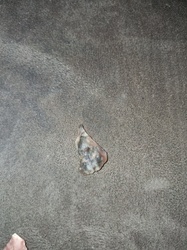
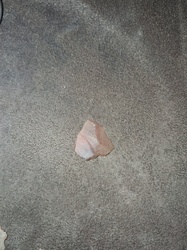
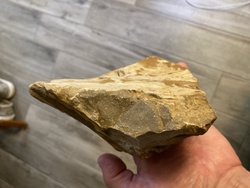
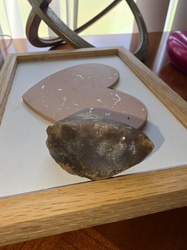
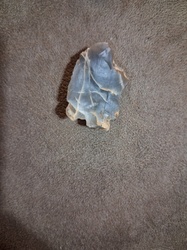
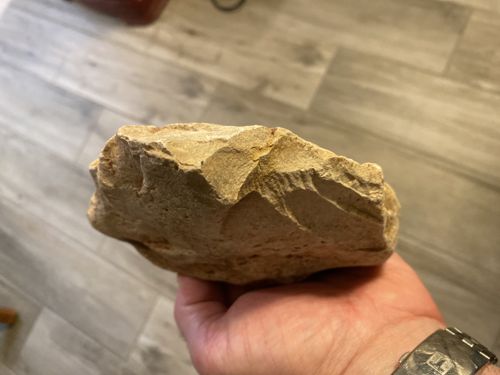
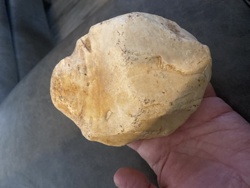
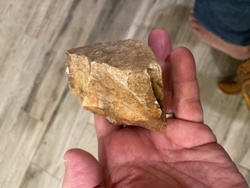
This specimen is a Lower Paleolithic style biface hand axe or scraper, reportedly found in Guthrie, Oklahoma, and measuring approximately 5.5 inches by 5.5 inches. The artifact is crafted from a tan-colored chert or silicate stone, exhibiting primitive flaking techniques. Physically, the item features a thick, robust cross-section with heavy percussion flaking along the margins to create a functional edge. The color is a uniform earthy buff or tan, characteristic of localized mineral staining and patina consistent with long-term exposure to soil environments. Notable features include wide, deep flake scars and a blunt proximal end designed to fit in the palm of the hand, transitioning into a thinned working edge. Regarding condition, the stone shows significant weathering and smoothed edges, suggesting post-depositional wear or use-polish. There are various micro-chips along the periphery, common for lithic tools of this age. While the item is described as Acheulean, which is traditionally associated with Old World Homo erectus sites, this specimen displays similar lithic reduction strategies in a North American context, potentially serving as a heavy-duty butchering or woodworking tool. The craftsmanship reflects intentional lithic reduction without the refined pressure flaking seen in later Neolithic cultures, indicating a utilitarian purpose and significant antiquity.
Estimated Value

$150 - $400

Basic Information

Category

Lithic Artifacts / Prehistoric Stone Tools

Appraised On

March 6, 2026

Estimated Value

$150 - $400

Additional Details Provided By Owner

User Provided Information

Lower Paleolithic Acheulean chert bi face hand axe scraper tool found in Guthrie OK measuring 5.5" x 5.5"

Item Description

This specimen is a Lower Paleolithic style biface hand axe or scraper, reportedly found in Guthrie, Oklahoma, and measuring approximately 5.5 inches by 5.5 inches. The artifact is crafted from a tan-colored chert or silicate stone, exhibiting primitive flaking techniques. Physically, the item features a thick, robust cross-section with heavy percussion flaking along the margins to create a functional edge. The color is a uniform earthy buff or tan, characteristic of localized mineral staining and patina consistent with long-term exposure to soil environments. Notable features include wide, deep flake scars and a blunt proximal end designed to fit in the palm of the hand, transitioning into a thinned working edge. Regarding condition, the stone shows significant weathering and smoothed edges, suggesting post-depositional wear or use-polish. There are various micro-chips along the periphery, common for lithic tools of this age. While the item is described as Acheulean, which is traditionally associated with Old World Homo erectus sites, this specimen displays similar lithic reduction strategies in a North American context, potentially serving as a heavy-duty butchering or woodworking tool. The craftsmanship reflects intentional lithic reduction without the refined pressure flaking seen in later Neolithic cultures, indicating a utilitarian purpose and significant antiquity.
Get Your Items Appraised

Instant estimates of your treasures with AI-powered instant appraisals

Browse More Appraisals