Cauliflower Coral Specimen (Pocillopora meandrina)
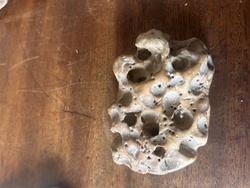
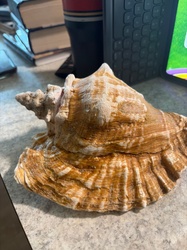
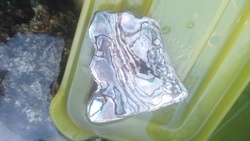
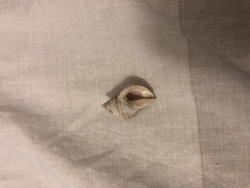
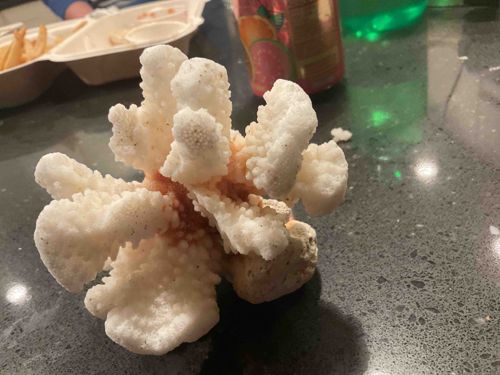
This specimen is a natural skeletal structure of Pocillopora meandrina, commonly known as cauliflower coral, originating from the waters of Oahu, Hawaii. The piece displays a characteristic hemispherical growth form composed of heavy, radiating branches that terminate in flattened, lobe-like tips. The color is a stark bleached white with subtle earthy undertones near the base, indicating the removal of the living polyps to reveal the calcium carbonate skeleton. The surface texture is highly rugose, covered in small, protruding verrucae (wart-like growths) which are diagnostic of this species. In terms of condition, the specimen appears largely intact, though there are minor abrasions and small fractures visible on some of the distal tips, likely caused by wave action or handling. Some residual sand particles and organic staining are visible in the deeper crevices of the structure. This is a natural biological object rather than a manufactured item, so it bears no maker's marks. It represents a mature colony, likely several years old based on the density and size of the branching arms. From a quality standpoint, the specimen shows a complex, symmetrical architecture that is highly desirable for decorative or scientific study, though its value is primarily as a natural history curiosity and is subject to strict environmental regulations regarding the harvest and transport of Hawaiian marine life.
AI-Generated Appraisal Disclaimer
Estimated Value
$150 - $250
Basic Information
Category
Natural History / Marine Specimens
Appraised On
February 26, 2026
Estimated Value
$150 - $250
Additional Details Provided By Owner
User Provided Information
Hawaiian corral from Oahu
Item Description
This specimen is a natural skeletal structure of Pocillopora meandrina, commonly known as cauliflower coral, originating from the waters of Oahu, Hawaii. The piece displays a characteristic hemispherical growth form composed of heavy, radiating branches that terminate in flattened, lobe-like tips. The color is a stark bleached white with subtle earthy undertones near the base, indicating the removal of the living polyps to reveal the calcium carbonate skeleton. The surface texture is highly rugose, covered in small, protruding verrucae (wart-like growths) which are diagnostic of this species. In terms of condition, the specimen appears largely intact, though there are minor abrasions and small fractures visible on some of the distal tips, likely caused by wave action or handling. Some residual sand particles and organic staining are visible in the deeper crevices of the structure. This is a natural biological object rather than a manufactured item, so it bears no maker's marks. It represents a mature colony, likely several years old based on the density and size of the branching arms. From a quality standpoint, the specimen shows a complex, symmetrical architecture that is highly desirable for decorative or scientific study, though its value is primarily as a natural history curiosity and is subject to strict environmental regulations regarding the harvest and transport of Hawaiian marine life.
Get Your Items Appraised
Instant estimates of your treasures with AI-powered instant appraisals