AI Appraisal Estimate

AI-generated estimates · not official valuations

From the user

What was submitted

Photo and notes provided by the user — not generated by AI

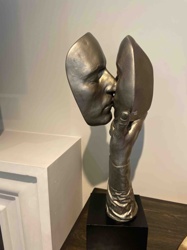
Submitted item photo
Submitted photo · May 30, 2026

User's notes

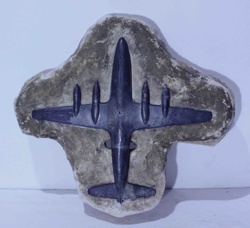
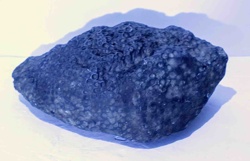
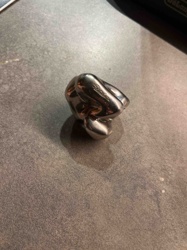
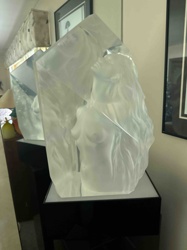
compression de César. 1971. 10 exemplaire

AI analysis below

AI appraisal

AI analysis & estimate

AI-Generated · Verify before acting

Everything below is generated by AI for informational purposes only. AI can make mistakes — the AI may misidentify items or misattribute them (artist, maker, brand, designer, origin, era). This is not an official valuation and should not be used for insurance, sale, tax, estate, legal, or lending purposes — or any decision requiring a certified appraisal. It is not an authoritative claim about any person, brand, or rights holder — do not share or rely on it as a factual statement about a third party. Always consult qualified professionals before making financial decisions.

Note

This analysis also relies on unverified notes provided by the user, which may be incomplete or inaccurate and could affect the result.

Read the full disclaimer

AI Identification

·Not independently authenticated·Verify before acting

César Baldaccini (César) - Compression Sculpture (1971 Edition)

Fine Art - Contemporary Sculpture

AI Estimated Value

·Not an official valuation·Verify before acting

$40,000 - $60,000

As of May 30, 2026

AI Item Analysis

·AI can make mistakes·Verify before acting
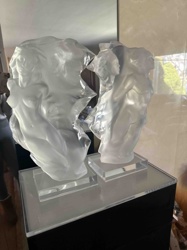
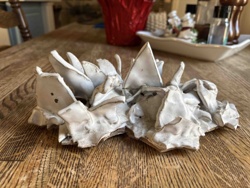
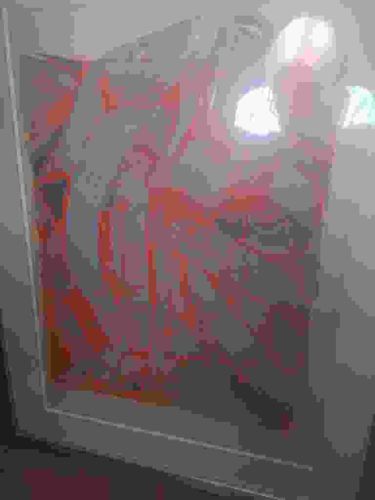
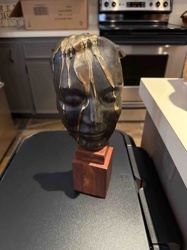
This item is a 1971 'Compression' sculpture by the renowned French Nouveau Réaliste sculptor César Baldaccini, commonly known as César. The sculpture is housed within a transparent Plexiglas or acrylic vitrine, showcasing the artist's signature technique of crushing industrial materials into compact, artistic forms. Physically, the piece appears to be composed of compressed metal, likely salvaged scraps or industrial components, exhibiting a varying color palette dominated by red and silver tones. The crushing process creates a dense, intricate texture of folds and jagged edges, transforming mass-produced objects into a unique aesthetic entity. Based on the provided context, it is from a limited edition of 10. The condition appears consistent with a piece from the early 1970s, though the exterior vitrine may show minor surface scratches or dust typical of age. The craftsmanship is characterized by the deliberate balance between industrial destruction and sculptural composition, a hallmark of the New Realism movement. Pieces like this are foundational to 20th-century avant-garde art, representing a radical departure from traditional modeling and carving. While individual signatures or numbering might be located on the base or the acrylic casing, the provenance and rarity (1 of 10) significantly enhance its value as a museum-quality collectible.
AI Appraisal Report

·AI can make mistakes·Verify before acting
I have examined the 1971 'Compression' sculpture by César Baldaccini via the provided documentation and images. This work, part of an extremely limited edition of 10, represents the artist's seminal contribution to the Nouveau Réalisme movement. The piece exhibits characteristic industrial crushing techniques, utilizing a vibrant red and silver metallic palette. Both the age-appropriate oxidation of the metal and the specific density of the folds align with César’s production from the early 1970s. The market for César’s Compressions remains robust, with high demand for early-period works featuring distinct colors. While a private sale might fetch the lower end of the estimate, a high-end contemporary art auction could see figures exceeding $60,000 due to the rarity of the edition size (1/10 is considerably scarcer than his more common later editions). The primary value driver here is the provenance and the specific 1971 date, which places it in a highly sought-after era of his career. However, this appraisal is subject to limitations. A physical inspection is required to verify the presence of an authentic signature and edition number, typically found on the base or the acrylic. I would also need to examine the Plexiglas vitrine for structural integrity, as cracks or deep abrasions can diminish value by 10-15%. Final authentication would require a certificate of authenticity from the Denyse Durand-Ruel Archives or the César Foundation to confirm its inclusion in the catalogue raisonné. Without such documentation and a physical verification of the materials' provenance, this assessment remains a preliminary estimate based on visual characteristics.

Get your items appraised

Instant estimates of your treasures with AI-powered appraisals

Browse More Appraisals