AI estimate as of July 24, 2025 · verify with a professional before acting
AI-Generated · Verify before acting
Everything on this page is generated by AI for informational purposes only. AI can make mistakes — the AI may misidentify items or misattribute them (artist, maker, brand, designer, origin, era). This is not an official valuation and should not be used for insurance, sale, tax, estate, legal, or lending purposes — or any decision requiring a certified appraisal. It is not an authoritative claim about any person, brand, or rights holder — do not share or rely on it as a factual statement about a third party. Always consult qualified professionals before making financial decisions.
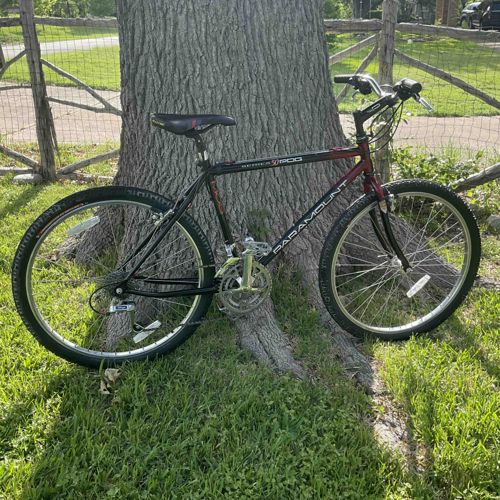
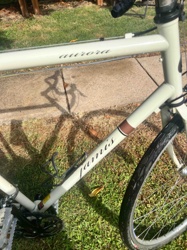
The item is a vintage Paramount Series 700 mountain bike, likely manufactured in the early to mid-1990s, given the visible componentry and frame style prevalent during that era. The frame features a striking two-tone color scheme, transitioning from a black upper tube and seat stay with 'Series 700' decals in a lighter color, to a deep reddish-maroon on the down tube, head tube, and front fork. The "PARAMOUNT" branding is prominently displayed in a bold, white font on the down tube. The bike appears to be constructed from metal, likely chromoly steel, common for high-quality mountain bikes of its period known for durability and a compliant ride.
Key physical characteristics include 26-inch wheels with silver-colored rims and black tires that appear to have a moderate knobby tread suitable for both paved and unpaved surfaces. The drivetrain consists of multiple chainrings at the front and a cassette at the rear, suggesting a wide range of gears (likely 21 or 24 speed, given the era). The front crankset is silver-toned, typical of aluminum or polished steel. Componentry visible includes what appears to be Shimano Deore XT or LX level parts, indicated by the rear derailleur and crankset, which signifies a higher-quality build. The handlebars are flat with bar-ends, a common setup for mountain biking in the 90s, providing multiple hand positions. The saddle is black with red accents, showing some signs of use but no major tears.
Observable condition issues appear minimal from the image, but some dirt and minor scuffs are present, consistent with regular use. There are no obvious signs of major dents, cracks, or rust, though a more detailed inspection would be needed to confirm. The cables and housing appear to be in reasonable shape. The quality of craftsmanship is suggested by the use of branded components and the overall robust appearance of the frame. Unique aspects include the specific two-tone paint job and the 'Series 700' designation, which pinpoints it to a particular model line within the Paramount brand, known for its cycling heritage.
AI Appraisal Report
Upon examining the provided image of the Paramount Series 700 mountain bike, I assess it to be an authentic example from the early to mid-1990s, consistent with the described two-tone paint scheme, 'Series 700' decals, and 'PARAMOUNT' branding. The visible componentry, notably Shimano Deore XT or LX level parts and flat handlebars with bar-ends, further supports its period authenticity. The bike appears to be in good used condition, showing expected signs of wear such as minor scuffs and dirt, but no significant damage like major dents, cracks, or rust, which is commendable for its age.
Market conditions for vintage mountain bikes have seen a resurgence in interest, particularly for models from reputable manufacturers like Paramount, known for their quality chromoly steel frames. This specific Series 700 model, while not as iconic as some top-tier models, benefits from the overall demand for classic mountain bikes that are robust and rideable. Rarity is moderate; while not a 'one-of-a-kind', good condition examples from this era are becoming less common.
Factors significantly impacting its value include its overall good preserved state, the presence of quality period-correct components, and the inherent durability of its chromoly frame. The specific color scheme also adds to its aesthetic appeal for collectors.
It is crucial to note the limitations of authenticity verification from images alone. While I am confident this is a genuine Paramount based on visual cues, a full authentication would require an in-person examination to verify frame serial numbers, inspect component date codes, and assess the integrity of welds and tubing for any hidden damage or repairs. Provenance documentation, such as original purchase receipts or service records, would further solidify its history and authenticity beyond what visual inspection can offer. Without physical inspection, I cannot account for internal rust, bearing wear, or unseen mechanical issues.