AI Appraisal Estimate

AI-generated estimates · not official valuations

From the user

What was submitted

Photo and notes provided by the user — not generated by AI

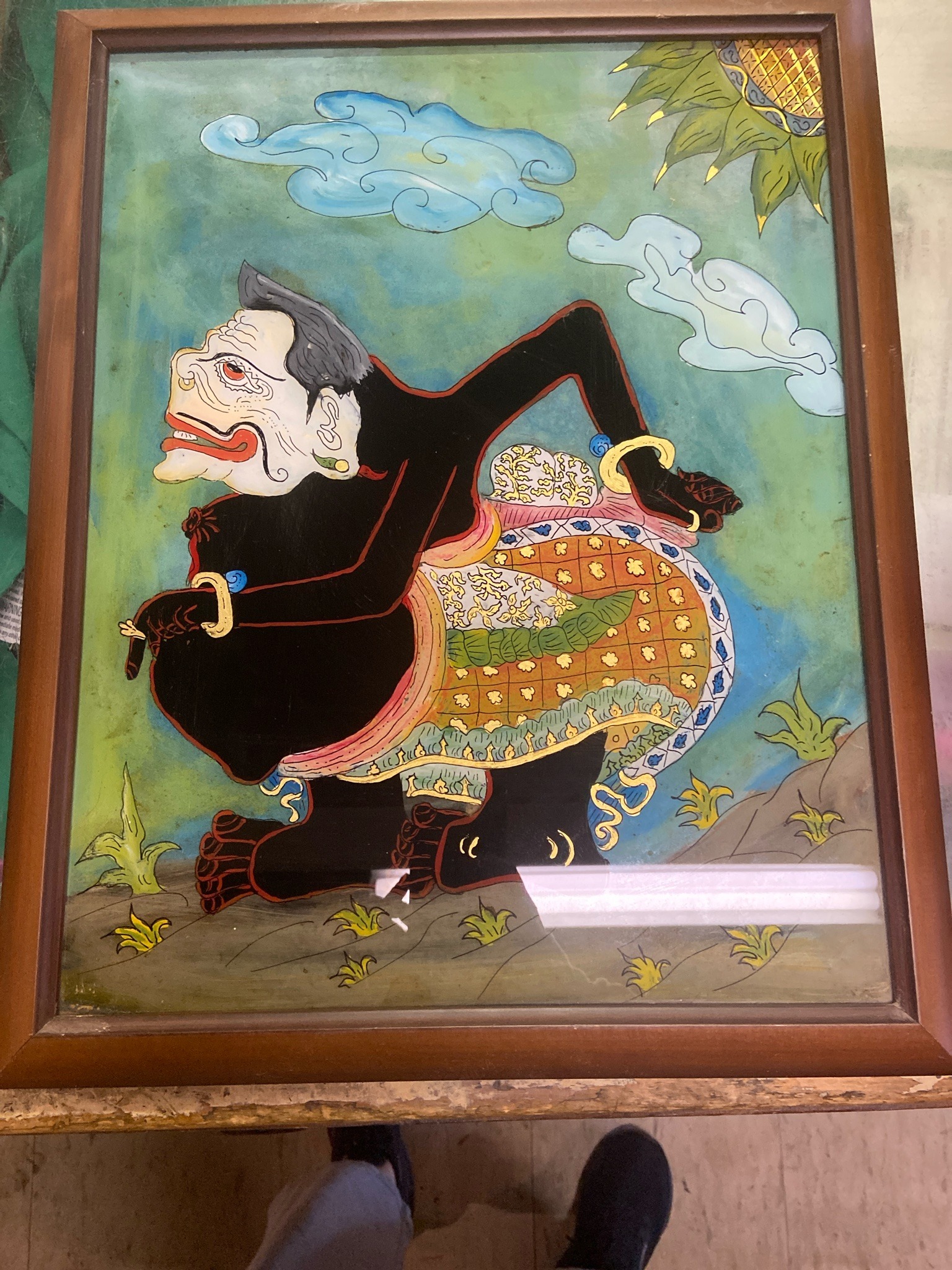
Submitted item photo
Submitted photo · May 27, 2026

User's notes

No additional notes provided.

AI analysis below

AI appraisal

AI analysis & estimate

AI-Generated · Verify before acting

Everything below is generated by AI for informational purposes only. AI can make mistakes — the AI may misidentify items or misattribute them (artist, maker, brand, designer, origin, era). This is not an official valuation and should not be used for insurance, sale, tax, estate, legal, or lending purposes — or any decision requiring a certified appraisal. It is not an authoritative claim about any person, brand, or rights holder — do not share or rely on it as a factual statement about a third party. Always consult qualified professionals before making financial decisions.

Read the full disclaimer

AI Identification

·Not independently authenticated·Verify before acting

Javanese Wayang Kulit Semar Reverse Painting on Glass

Southeast Asian Folk Art / Traditional Painting

AI Estimated Value

·Not an official valuation·Verify before acting

$150 - $300

As of May 27, 2026

AI Item Analysis

·AI can make mistakes·Verify before acting
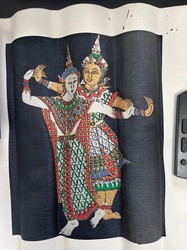
This is a vintage Southeast Asian reverse painting on glass, a technique known as 'lukisan kaca,' originating from Indonesia, likely Java. The central figure is Semar, the most prominent of the Punokawan (clown-servants) from traditional Javanese wayang kulit (shadow puppetry). Semar is depicted in his characteristic form: a rotund, black-bodied figure with a white face, a prominent nose, and a small tuft of hair, symbolizing wisdom disguised in a humble, even grotesque, appearance. He is shown wearing a traditional sarong with a parang or kawung-style pattern in shades of orange, gold, and green. The background features stylized 'mega mendung' (cloud) motifs in light blue and a green sun or floral element in the upper right. The materials include oil or enamel paints applied to the back of a glass pane, housed in a simple, stained dark wood frame. The construction shows fine linework for the character details, typical of mid-20th-century folk art. Condition appears fair to good with some minor dust accumulation inside the frame and slight signs of age-related oxidation or fading in the pigments. There are no visible maker's marks or signatures, which is common for these traditional craft pieces. The style suggests an age of approximately 40 to 60 years old.
AI Appraisal Report

·AI can make mistakes·Verify before acting
I have virtually examined this vintage 'lukisan kaca' (reverse painting on glass) depicting the Punokawan figure Semar. Based on the stylistic execution, specifically the fine linework and the use of 'mega mendung' cloud motifs, the piece reflects Cirebon-style glass painting traditions of Java, Indonesia. The item appears authentic to the mid-20th century (circa 1960s-1980s). The pigments appear generally stable, though I noted slight oxidation common with age-related exposure. The wood frame is consistent with regional folk art production of that era. The market for Southeast Asian reverse glass paintings is currently stable but niche. Comparable sales of mid-century Javanese glass paintings featuring wayang characters typically reach between $100 and $350 at specialty folk art auctions or through regional dealers. The value is buoyed by the popularity of Semar, a figure representing divine wisdom, which makes the piece attractive to both cultural collectors and interior decorators. However, the lack of a prominent signature and the presence of minor dust infiltration inside the glass pane limit its valuation to the secondary decorative market rather than high-end fine art segments. Please note that this assessment is based solely on digital imagery. A physical inspection is required to check for 'glass rot' (chemical instability), underlying paint flaking invisible to the lens, or frame repairs. Full authentication would benefit from provenance documentation, such as export stamps or gallery receipts, and a forensic examination of the paint binders to confirm the absence of modern synthetic resins which would indicate a more recent reproduction.

Get your items appraised

Instant estimates of your treasures with AI-powered appraisals

Browse More Appraisals