AI Appraisal Estimate

AI-generated estimates · not official valuations

From the user

What was submitted

Photo and notes provided by the user — not generated by AI

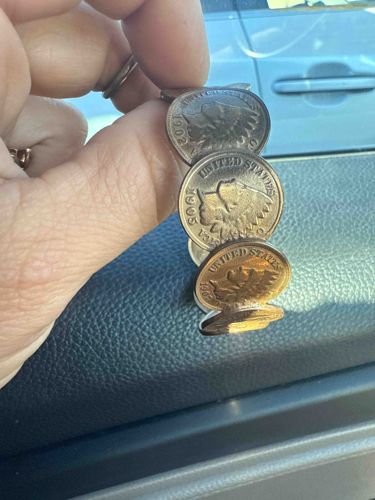
Submitted item photo
Submitted photo · June 17, 2026

User's notes

1902, 1905, 1907, 1890

AI analysis below

AI appraisal

AI analysis & estimate

AI-Generated · Verify before acting

Everything below is generated by AI for informational purposes only. AI can make mistakes — the AI may misidentify items or misattribute them (artist, maker, brand, designer, origin, era). This is not an official valuation and should not be used for insurance, sale, tax, estate, legal, or lending purposes — or any decision requiring a certified appraisal. It is not an authoritative claim about any person, brand, or rights holder — do not share or rely on it as a factual statement about a third party. Always consult qualified professionals before making financial decisions.

Note

This analysis also relies on unverified notes provided by the user, which may be incomplete or inaccurate and could affect the result.

Read the full disclaimer

AI Identification

·Not independently authenticated·Verify before acting

Indian Head Penny Bracelet

Jewelry

AI Estimated Value

·Not an official valuation·Verify before acting

$75-125

As of June 17, 2026

AI Item Analysis

·AI can make mistakes·Verify before acting
This item is a bracelet crafted from several United States Indian Head Pennies. The visible coins on the bracelet include examples from 1902, 1905, and 1907. The pennies are arranged in a linear fashion, suggesting they are linked together, likely with solder or small metal components on their reverse sides, to form a wearable piece of jewelry. The obverse side of each coin, featuring the iconic depiction of Lady Liberty wearing a Native American headdress, is clearly visible. The coins exhibit varying degrees of wear, consistent with their age and use, with some details on the busts appearing slightly softened, although the dates are clearly legible on the visible examples. The color of the pennies indicates their copper composition, and they display a natural copper patina, ranging from a reddish-brown to darker brown tones. The method of attachment appears to involve some form of bezel or frame around each coin, or directly soldered links, creating a relatively rigid but articulated structure. The craftsmanship suggests a handmade or artisan-produced piece, popular in the late 19th and early 20th centuries as a way to repurpose common coinage into keepsakes or personal adornments. The item reflects a vintage or antique aesthetic, likely dating from the early 20th century, contemporary with the dates on the coins themselves.
AI Appraisal Report

·AI can make mistakes·Verify before acting
Upon examining the images of this Indian Head Penny bracelet, I've assessed its condition and market value. The piece is a classic example of early 20th-century trench art or folk art jewelry, where common coinage was repurposed into personal adornments. The visible coins—1902, 1905, 1907, and the owner-provided 1890—are common dates for the Indian Head series. Their numismatic value is minimal, typically just a few dollars each in this circulated condition. The primary value of the bracelet lies in its antique, handmade appeal as a piece of jewelry. The coins appear authentic, with wear consistent with their age. However, the process of soldering or mounting them into jewelry has permanently altered them, effectively nullifying any potential premium for collectors. The market for such items is niche, appealing to collectors of vintage Americana, folk art, or unique jewelry rather than numismatists. Comparable sold listings for similar Indian Head Penny bracelets typically fall within the $75 to $125 range, depending on craftsmanship, the number of coins, and overall aesthetic appeal. The demand is steady but not high. It is important to note that this appraisal is based solely on images. Without a physical inspection, I cannot definitively verify the metal content of the links or bezels, confirm the method of construction (e.g., solder quality), or assess the integrity of the clasps and hinges. A full authentication would require in-person examination to test the non-coin metals and assess the structural soundness of the piece.

Get your items appraised

Instant estimates of your treasures with AI-powered appraisals

Browse More Appraisals