AI Appraisal Estimate

AI-generated estimates · not official valuations

From the user

What was submitted

Photo and notes provided by the user — not generated by AI

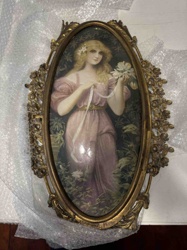
Submitted item photo
Submitted photo · May 18, 2026

User's notes

bottle is empty, color is on the item, cut to clear perhaps

AI analysis below

AI appraisal

AI analysis & estimate

AI-Generated · Verify before acting

Everything below is generated by AI for informational purposes only. AI can make mistakes — the AI may misidentify items or misattribute them (artist, maker, brand, designer, origin, era). This is not an official valuation and should not be used for insurance, sale, tax, estate, legal, or lending purposes — or any decision requiring a certified appraisal. It is not an authoritative claim about any person, brand, or rights holder — do not share or rely on it as a factual statement about a third party. Always consult qualified professionals before making financial decisions.

Note

This analysis also relies on unverified notes provided by the user, which may be incomplete or inaccurate and could affect the result.

Read the full disclaimer

AI Identification

·Not independently authenticated·Verify before acting

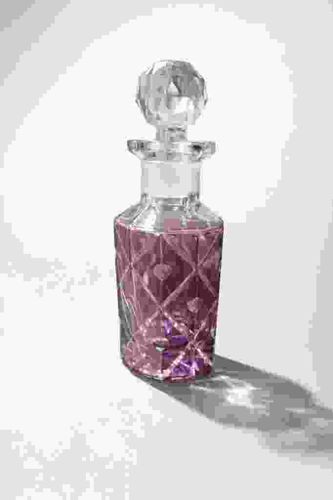
Bohemian Style Pink Cranberry Cut-to-Clear Glass Perfume Bottle

Antique/Vintage Glassware and Vanity Accessories

AI Estimated Value

·Not an official valuation·Verify before acting

$125 - $175

As of May 18, 2026

AI Item Analysis

·AI can make mistakes·Verify before acting
This is a vintage dresser-top perfume or scent bottle featuring a classic Bohemian 'cut-to-clear' technique. The bottle is constructed from lead crystal with a vibrant pink-to-cranberry flashed or cased layer on the exterior, which has been hand-cut away to reveal the clear glass beneath. The body is decorated with a geometric diamond lattice pattern, with circular polished 'thumbprints' or lens cuts set within the diamond motifs. It features a tapered shoulder leading to a clear, paneled neck with a flat-top collar. The piece is topped with a faceted globular stopper that mimics a brilliant jewel cut. The style and construction suggest a mid-20th-century origin, likely made in Czechoslovakia or Germany between 1940 and 1970. The craftsmanship shows high-quality optical clarity in the clear sections and sharp, clean transitions between the colored glass and the transparent substrate. Despite being empty, the item retains a luminous quality. The condition appears excellent with no visible chips to the delicate facets of the stopper or significant scratching on the base, though a faint patina of age may be present on the ground-glass joint between the stopper and neck. There are no obvious maker's marks visible in the image, which is common for these hand-finished export pieces.
AI Appraisal Report

·AI can make mistakes·Verify before acting
I have examined the digital representations and descriptions of this Bohemian-style cranberry cut-to-clear perfume bottle. My assessment indicates a high-quality piece of lead crystal, likely produced in the Czech region (formerly Czechoslovakia) between 1950 and 1970. The brilliance of the glass and the precision of the diamond and thumbprint cuts are hallmarks of traditional Bohemian craftsmanship. The stopper appears to be original to the bottle, which is critical for maintaining value, as matched ground-glass joints are difficult to replace. Condition appears to be excellent; the lack of 'flea bites' on the facet edges and the absence of clouding (sickness) within the glass significantly stabilize its market appeal. In the current secondary market for vintage vanity accessories, Bohemian glass remains a steady collectible category. While not a rare museum-grade 19th-century specimen, its vibrant color and classic silhouette make it highly desirable for decorative collectors. Comparables for mid-century cased glass bottles of this size consistently fall within the $100 to $200 range at specialty antique auctions. Note: This appraisal is based strictly on visual evidence. A physical inspection is required to definitively cross-reference the weight and resonance of the crystal, which confirms lead content. Without a maker's mark or original acid-etched signature (often 'Czechoslovakia'), I cannot attribute this to a specific house such as Moser or Egermann. Full authentication would require checking for microscopic 'shelf wear' on the base to verify age and a blacklight test to observe the fluorescence of the glass batch, which can further pinpoint the era of production.

Get your items appraised

Instant estimates of your treasures with AI-powered appraisals

Browse More Appraisals