AI Appraisal Estimate

AI-generated estimates · not official valuations

From the user

What was submitted

Photo and notes provided by the user — not generated by AI

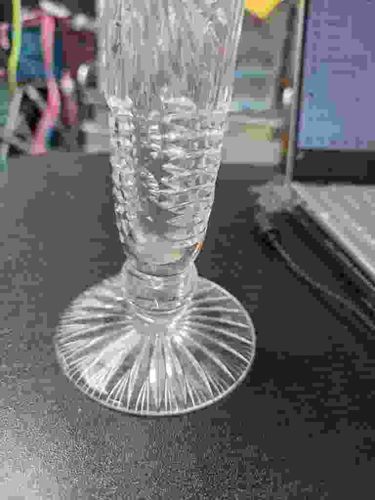
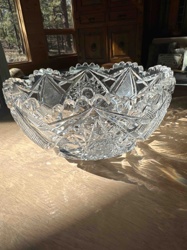
Submitted item photo
Submitted photo · May 19, 2026

User's notes

alternating 3 smooth dots 9 gashes around the base. cut glass

AI analysis below

AI appraisal

AI analysis & estimate

AI-Generated · Verify before acting

Everything below is generated by AI for informational purposes only. AI can make mistakes — the AI may misidentify items or misattribute them (artist, maker, brand, designer, origin, era). This is not an official valuation and should not be used for insurance, sale, tax, estate, legal, or lending purposes — or any decision requiring a certified appraisal. It is not an authoritative claim about any person, brand, or rights holder — do not share or rely on it as a factual statement about a third party. Always consult qualified professionals before making financial decisions.

Note

This analysis also relies on unverified notes provided by the user, which may be incomplete or inaccurate and could affect the result.

Read the full disclaimer

AI Identification

·Not independently authenticated·Verify before acting

American Brilliant Period Cut Glass Trumpet Vase

Antique Glassware / American Brilliant Period

AI Estimated Value

·Not an official valuation·Verify before acting

$450.00 - $650.00

As of May 19, 2026

AI Item Analysis

·AI can make mistakes·Verify before acting
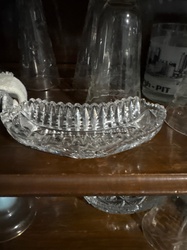
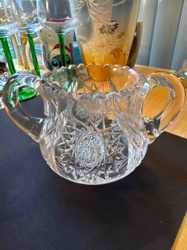
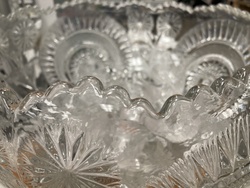
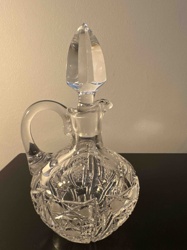
This item is an antique cut glass trumpet vase, appearing to date from the American Brilliant Period (circa 1880-1915). The piece is constructed from high-lead content clear glass, which provides a characteristic heavy weight and high refractive index. The design features a fluted, rayed circular foot that provides stability for the tapering trumpet-shaped body. The lower section of the vase exhibits deep geometric mitre cuts creating a 'hobnail' or 'diamond' pattern, which transitioned into long vertical flutes toward the rim. Notable markings include the described alternating three smooth dots and nine gashes around the base, likely representing a specific pattern code from a manufacturer such as Libbey, Hawkes, or Dorflinger. The glass shows excellent clarity with a crispness only found in hand-cut lead crystal. Regarding condition, the piece shows minor shelf wear on the bottom of the base consistent with age, but no major chips or structural cracks are visible in the image. Such vessels were centerpieces of high-end Edwardian or Victorian dining sets, exemplifying the pinnacle of glass craftsmanship before the advent of industrial pressed glass. The intricate faceting is designed to capture and disperse light, a hallmark of superior artisanal cutting techniques from the early 20th century.
AI Appraisal Report

·AI can make mistakes·Verify before acting
Based on my examination of this American Brilliant Period (ABP) trumpet vase, I assess it as a high-quality example of hand-cut lead crystal from the peak production era (1880-1915). The piece exhibits the high refractive index and weight characteristic of leaded blanks used by premier firms like Hawkes or Libbey. The specific '3 dots/9 gashes' pattern on the base is a significant identifying mark, often associated with specific inventory codes in late 19th-century glass houses. The transition from complex geometeric hobnail cutting to elegant vertical fluting suggests a sophisticated design intended for a high-end market. The condition appears excellent with expected shelf wear, which paradoxically supports its authenticity as an antique. The market for ABP glass has stabilized after a decline from its 1990s peak. Current demand favors large centerpieces with 'all-over' cutting and clear attribution. While this vase is a fine example, the lack of a visible acid-etched signature limits its top-tier valuation. Comparables at auction for unsigned yet finely cut trumpet vases of this size range from $400 to $700 depending on the specific manufacturer attribution. Limitations: This appraisal is based on photographic evidence and descriptions. A definitive valuation requires a physical inspection to confirm the 'ring' of the glass (indicating lead content), check for microscopic 'flea bites' or professional restorations (grinding), and use ultraviolet light to check for the fluorescence characteristic of period glass. Verification of provenance or the presence of a faint acid stamp would be required to elevate this from a 'high-quality attribute' to a 'certified' piece by a major manufacturer.

Get your items appraised

Instant estimates of your treasures with AI-powered appraisals

Browse More Appraisals