AI Appraisal Estimate

AI-generated estimates · not official valuations

From the user

What was submitted

Photo and notes provided by the user — not generated by AI

Submitted item photo
Submitted photo · May 30, 2026

User's notes

No additional notes provided.

AI analysis below

AI appraisal

AI analysis & estimate

AI-Generated · Verify before acting

Everything below is generated by AI for informational purposes only. AI can make mistakes — the AI may misidentify items or misattribute them (artist, maker, brand, designer, origin, era). This is not an official valuation and should not be used for insurance, sale, tax, estate, legal, or lending purposes — or any decision requiring a certified appraisal. It is not an authoritative claim about any person, brand, or rights holder — do not share or rely on it as a factual statement about a third party. Always consult qualified professionals before making financial decisions.

Read the full disclaimer

AI Identification

·Not independently authenticated·Verify before acting

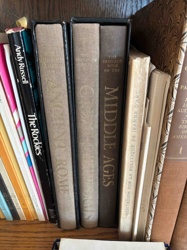
Time-Life Library of Art: The World of Rembrandt and The World of Vermeer

Antique and Vintage Books

AI Estimated Value

·Not an official valuation·Verify before acting

$10.00-$20.00

As of May 30, 2026

AI Item Analysis

·AI can make mistakes·Verify before acting
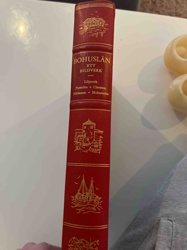
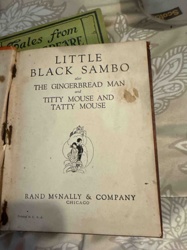
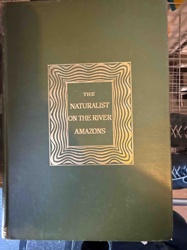
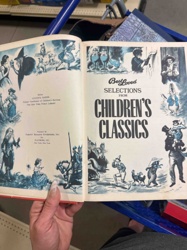
This pair of hardcover books consists of two volumes from the renowned 'Time-Life Library of Art' series, specifically 'The World of Vermeer' and 'The World of Rembrandt.' These volumes are characterized by their distinct oversized, slim format, measuring approximately 9 x 12 inches. The spines are bound in a textured tan or light-brown faux-leather or heavy buckram material, featuring gilt (gold-leaf) embossed lettering for the titles and series name. The covers typically feature a pastedown color illustration on the front, though only the spines are clearly visible here. These books were manufactured during the 1960s (circa 1966-1967) and are known for their high-quality lithographic reproductions and scholarly text. The construction is sturdy, utilizing sewn bindings which are evident in the way the spines hold their shape. Condition-wise, the spines show visible shelf wear, including darkening/patina of the cloth, minor softening at the head and foot of the spines, and some fading to the gilt lettering. There is slight foxing or spotting consistent with age and storage in a non-climate-controlled environment. The craftsmanship reflects the mid-century educational publishing standards of Time-Life, designed for both aesthetic appeal on a bookshelf and durable reference use. These are iconic examples of 20th-century mass-market art education literature.
AI Appraisal Report

·AI can make mistakes·Verify before acting
I have examined the digital representation of 'The World of Vermeer' and 'The World of Rembrandt' from the Time-Life Library of Art series (circa 1966-1967). Based on my visual inspection, these volumes are authentic mass-market editions. The condition shows characteristically aged buckram spines with visible darkening, shelf wear at the extremities, and fading to the gilt lettering. The presence of spotting suggests exposure to humidity, which may indicate internal foxing on the plates or text blocks. While these books were produced with high-quality mid-century lithography and durable sewn bindings, they were manufactured in extremely high quantities. Market conditions for the Time-Life series are currently saturated; they are ubiquitous in the secondary market, appearing frequently at estate sales, thrift stores, and online auctions. Comparables often sell for $5 to $10 per individual volume in this condition. Their value is primarily decorative or educational rather than as a 'rare book' investment. Factors limiting the value include the commonality of the series and the noted wear on the spines, which affects 'shelf appeal.' Limitations of this assessment include the inability to inspect the slipcases (which originally accompanied these books), the hinges, or the integrity of the color plates inside. A full physical examination would be required to rule out mold, odors, or detached pages. No scientific testing is necessary given the mass-produced nature of these items, but provenance showing a complete set in original mailer boxes could slightly increase the valuation.

Get your items appraised

Instant estimates of your treasures with AI-powered appraisals

Browse More Appraisals