Petrified Wood Mineral Specimen
Geological Fossils and Minerals

Petrified Wood Mineral Specimen

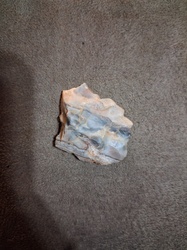
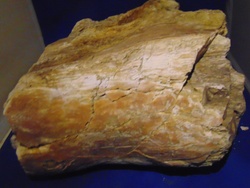
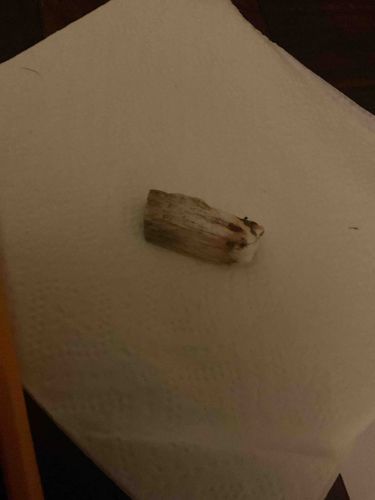
This item is a small, elongated mineral specimen identified as petrified wood. Its physical characteristics include a rectangular, block-like form with a fibrous, longitudinal grain texture that mimics the organic structure of wood. The color palette is composed primarily of earthy tones, featuring creamy whites, light grays, and patches of deep reddish-brown and tan, likely caused by iron oxide or manganese inclusions during the permineralization process. The specimen appears to be approximately 1.5 to 2 inches in length. The surface shows a moderately weathered patina with sharp, cleavage-like breaks at the ends, suggesting it was fractured from a larger piece. There are visible dark mineral deposits or surface debris concentrated on one end. The texture is rough and matte rather than polished, indicating a raw, unworked state. Unlike common rocks, the internal structure preserves the cellular anatomy of the original tree, which is a key quality indicator for fossilized flora. Based on its appearance, it likely dates to the Cenozoic or Mesozoic era, common for such silicified fossils. There are no maker's marks, as this is a natural geological object, but the structural integrity appears stable with no major crumbling, despite the presence of minor surface abrasions and superficial dirt consistent with field collection.
Estimated Value

$15-25

Basic Information

Category

Geological Fossils and Minerals

Appraised On

February 27, 2026

Estimated Value

$15-25

Additional Details Provided By Owner

User Provided Information

A mineral specimen unknown to me

Item Description

This item is a small, elongated mineral specimen identified as petrified wood. Its physical characteristics include a rectangular, block-like form with a fibrous, longitudinal grain texture that mimics the organic structure of wood. The color palette is composed primarily of earthy tones, featuring creamy whites, light grays, and patches of deep reddish-brown and tan, likely caused by iron oxide or manganese inclusions during the permineralization process. The specimen appears to be approximately 1.5 to 2 inches in length. The surface shows a moderately weathered patina with sharp, cleavage-like breaks at the ends, suggesting it was fractured from a larger piece. There are visible dark mineral deposits or surface debris concentrated on one end. The texture is rough and matte rather than polished, indicating a raw, unworked state. Unlike common rocks, the internal structure preserves the cellular anatomy of the original tree, which is a key quality indicator for fossilized flora. Based on its appearance, it likely dates to the Cenozoic or Mesozoic era, common for such silicified fossils. There are no maker's marks, as this is a natural geological object, but the structural integrity appears stable with no major crumbling, despite the presence of minor surface abrasions and superficial dirt consistent with field collection.
Get Your Items Appraised

Instant estimates of your treasures with AI-powered instant appraisals

Browse More Appraisals