AI estimate as of June 12, 2025 · verify with a professional before acting
AI-Generated · Verify before acting
Everything on this page is generated by AI for informational purposes only. AI can make mistakes — the AI may misidentify items or misattribute them (artist, maker, brand, designer, origin, era). This is not an official valuation and should not be used for insurance, sale, tax, estate, legal, or lending purposes — or any decision requiring a certified appraisal. It is not an authoritative claim about any person, brand, or rights holder — do not share or rely on it as a factual statement about a third party. Always consult qualified professionals before making financial decisions.
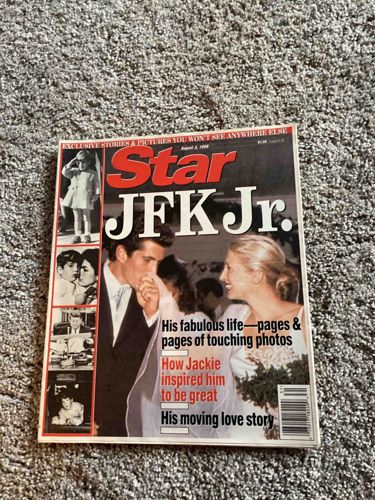
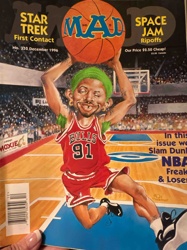
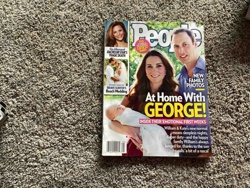
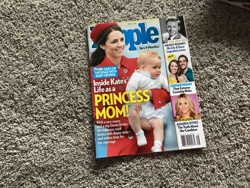
This is a print copy of the "Star" magazine, dated August 3, 1999 issue. The front cover features a large photograph of John F. Kennedy Jr. and Carolyn Bessette-Kennedy, seemingly at their wedding, or another formal event. The main headline reads in bold, red lettering "Star" across the top, followed by large white lettering of "JFK Jr.". Below the main image, there are smaller images on the left-hand side, seemingly showing JFK Jr. throughout his life, including childhood photos and images with his mother, Jacqueline Kennedy Onassis. The cover promotes "Exclusive Stories & Pictures You Won't See Anywhere Else". There are headlines on the cover advertising features on "His fabulous life - pages & pages of touching photos", "How Jackie inspired him to be great", and "His moving love story". The magazine is printed on typical newsprint paper with a glossy cover. The colors on the cover are vibrant, primarily red, white, black, and a muted blue. There do not appear to be any significant tears, creases, or stains visible in the provided image. The edges appear relatively sharp, suggesting it is in good to very good condition for its age. The magazine appears to be of standard tabloid size. The spine is not visible in this image, but it would typically be bound by staples. There are no visible manufacturing marks or signatures on the front cover, other than the magazine title, date, and price ($"1.99"). The overall quality of the printing and paper appears consistent with a mass-produced tabloid magazine from the late 1990s. The issue date indicates it was published shortly after the tragic death of JFK Jr. in July 1999, making its content focused on commemorating his life.
AI Appraisal Report
I have examined the provided image of the Star Magazine, August 3, 1999 issue, featuring John F. Kennedy Jr. on the cover. Based on visual inspection, the magazine appears to be in good to very good condition for a mass-produced tabloid of this era. There are no visible tears, significant creases, or stains apparent. The colors are vibrant and the edges seem relatively sharp. Authenticity is based on matching the date, title, and cover design to known issues of Star magazine; from the image alone, I cannot verify its originality without physical examination. To fully authenticate, I would need to inspect the paper quality, printing process, and staples for consistency with production methods of the time. Market conditions for tabloid magazines, even those with significant historical events on the cover, are generally low unless featuring iconic images or extreme rarity. This particular issue was published shortly after JFK Jr.'s tragic death, which typically drives initial demand, but its mass-produced nature makes it less rare over time. Comparable sales for similar commemorative tabloid issues from the late 1990s are modest. Demand is primarily driven by collectors of Kennedy memorabilia or tabloid enthusiasts. The primary factors impacting value are its condition, and to a lesser extent, the enduring interest in the Kennedy family. Without physical inspection, specifically to confirm the absence of hidden damage, verify the paper and print quality against known standards, and examine the spine for completeness, the condition assessment is limited. Provenance documentation would further enhance certainty, but is generally not expected for items of this nature.