AI Appraisal Estimate

AI-generated estimates · not official valuations

From the user

What was submitted

Photo and notes provided by the user — not generated by AI

Submitted item photo
Submitted photo · May 28, 2026

User's notes

No additional notes provided.

AI analysis below

AI appraisal

AI analysis & estimate

AI-Generated · Verify before acting

Everything below is generated by AI for informational purposes only. AI can make mistakes — the AI may misidentify items or misattribute them (artist, maker, brand, designer, origin, era). This is not an official valuation and should not be used for insurance, sale, tax, estate, legal, or lending purposes — or any decision requiring a certified appraisal. It is not an authoritative claim about any person, brand, or rights holder — do not share or rely on it as a factual statement about a third party. Always consult qualified professionals before making financial decisions.

Read the full disclaimer

AI Identification

·Not independently authenticated·Verify before acting

Vintage Singer Sewing Machine with Electric Motor and Light

Antique/Vintage Sewing Machine

AI Estimated Value

·Not an official valuation·Verify before acting

$75 - $150

As of May 28, 2026

AI Item Analysis

·AI can make mistakes·Verify before acting
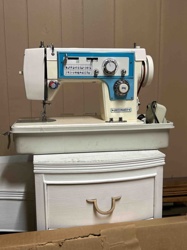
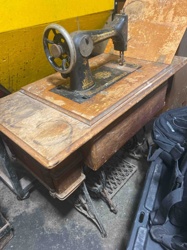
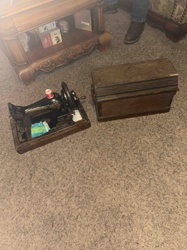
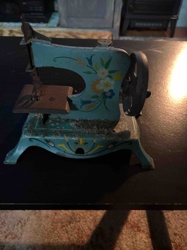
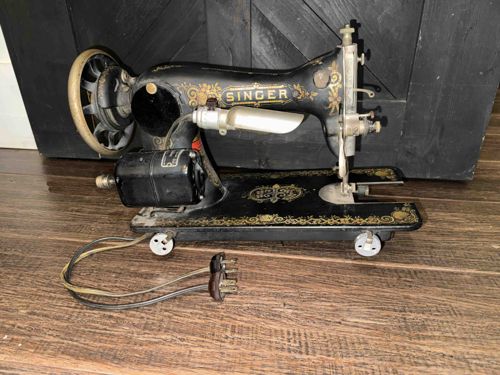
This is a vintage Singer sewing machine, likely dating from the early to mid-20th century. It features a predominantly black cast-iron body adorned with elaborate gold-colored decals, characteristic of Singer's 'Sphinx' or 'Egyptian' decal set, which suggests a Model 66 or similar contemporary model. The machine has an integrated electric motor, painted black, mounted on the back side of the machine head, and a separate, chrome-plated light fixture extending from the head to illuminate the sewing area. A large, spoked balance wheel, possibly made of metal with a lighter-colored, possibly bakelite or similar composite handwheel, is prominently featured on the right side. The bed of the machine is also black with matching gold decals, showing some wear and scuffing, particularly around the edges and areas of frequent contact. The machine rests on small, likely rubber or felt feet. An unattached power cord with a vintage-style brown bakelite plug and exposed, somewhat deteriorated wiring (indicated by the distinct black and tan/yellow insulation) is visible in the foreground, suggesting it is a foot pedal or power connection. There is visible dust and grime accumulation, and some minor surface corrosion or tarnishing on the metal components, such as the needle bar and presser foot assembly. The overall condition suggests moderate to heavy use and age-related wear, with the decals showing some fading and minor chipping. The craftsmanship is typical of Singer machines from this era, known for their robust construction and intricate decorative elements. The machine appears to be a tabletop or portable model, designed to be placed on a surface or within a cabinet.
AI Appraisal Report

·AI can make mistakes·Verify before acting
Upon visual examination of this vintage Singer sewing machine, likely a Model 66 based on its body shape and 'Sphinx' or 'Egyptian' decal set, I've assessed its current market value. The machine displays significant signs of age and use, including visible wear, scuffing on the bed, and deterioration of the gold decals. The presence of an external electric motor and light are common period modifications. While these Singer machines are lauded for their robust construction, their market value is heavily influenced by condition and completeness. The primary factors impacting its value are the cosmetic wear and the condition of the electrical components. The power cord's exposed and deteriorated wiring presents a significant safety hazard and indicates the machine is not in working condition without professional servicing. Functionality is a key value driver for these items, as many buyers are hobbyists who intend to use them. The market for vintage Singer machines from this era is relatively saturated; these models were mass-produced and are not considered rare. Comparable sales for non-working or cosmetically worn models typically fall within the sub-$200 range. While the visual details strongly suggest it is a genuine Singer from the early-to-mid 20th century, a physical inspection would be required for full authentication. This would involve examining the serial number to confirm the exact model and production date, testing the motor's functionality, and assessing the mechanical action of the internal components. Without such an inspection, this appraisal is based on the machine's value as a decorative or restoration project piece.

Get your items appraised

Instant estimates of your treasures with AI-powered appraisals

Browse More Appraisals