AI estimate as of August 20, 2025 · verify with a professional before acting
AI-Generated · Verify before acting
Everything on this page is generated by AI for informational purposes only. AI can make mistakes — the AI may misidentify items or misattribute them (artist, maker, brand, designer, origin, era). This is not an official valuation and should not be used for insurance, sale, tax, estate, legal, or lending purposes — or any decision requiring a certified appraisal. It is not an authoritative claim about any person, brand, or rights holder — do not share or rely on it as a factual statement about a third party. Always consult qualified professionals before making financial decisions.
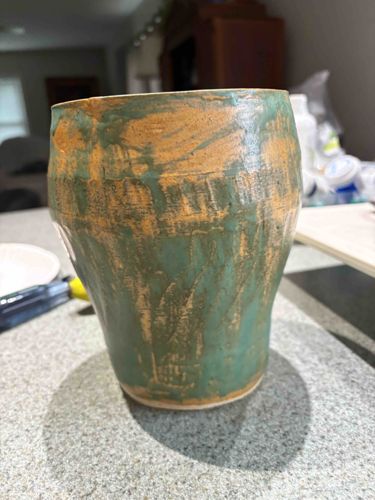
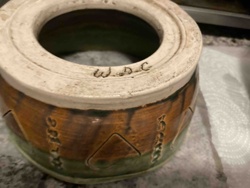
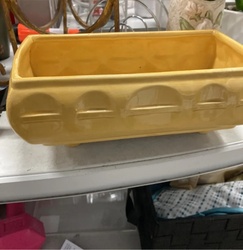
This is a handmade ceramic vessel, likely a tumbler or large mug. It stands approximately 5-7 inches tall with a slightly flaring rim and a gently tapered body that broadens slightly towards the base before narrowing again to a flat, unglazed footring. The primary material appears to be stoneware or earthenware, given the visible texture and the earthy brown tones of the unglazed areas. The exterior is predominantly covered in a rustic, mottled glaze exhibiting shades of teal, deep green, and occasional hints of blue, applied with a brush or sponging technique that leaves visible strokes and a somewhat uneven, waxy texture. Portions of the underlying reddish-brown clay body are intentionally left exposed, particularly around the upper rim and in vertical streaks down the body, creating a striking contrast and emphasizing the handmade quality. There are no obvious chips, cracks, or repairs, though the raw, tactile surface might mask minor imperfections. The rim appears hand-formed, revealing subtle undulations rather than a perfectly uniform circle. The inside of the vessel is not visible but is presumed to be glazed for functionality. The craftsmanship suggests an artisan piece rather than mass-produced, with deliberate imperfections contributing to its aesthetic. Given the organic form and rustic glaze application, it likely dates to the late 20th or early 21st century and embodies an artisanal or studio pottery style. There are no discernible maker's marks or signatures visible from the provided image.
AI Appraisal Report
Upon my virtual examination of this Handmade Glazed Ceramic Tumbler, I assess its condition as excellent. There are no visible chips, cracks, or repairs, which is commendable given its rustic, tactile surface. Its authenticity as a handmade, artisan piece is strongly supported by the irregular yet deliberate form, the visible brush/sponge strokes of the glaze, the intentional exposure of the clay body, and the subtle undulations of the rim—all hallmarks of studio pottery. This is clearly not a mass-produced item.
In terms of market conditions, there's a consistent demand for unique, handcrafted ceramics, particularly pieces that blend organic forms with rich, multi-tonal glazes. Comparable artisan tumblers or mugs from contemporary potters often retail in the $40-$80 range, depending on the artist's reputation and size. The striking teal/green glaze contrast with the reddish-brown clay body enhances its aesthetic appeal, contributing positively to demand. While not rare in the broader sense of ceramics, its uniqueness lies in its individual execution; no two pieces will be exactly alike. The primary factors impacting its value are its aesthetic appeal, excellent condition, and its handcrafted nature.
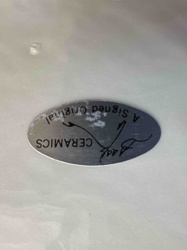
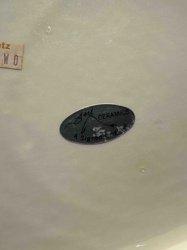
My primary limitation in full authentication is the lack of physical inspection. Without handling the piece, I cannot ascertain its internal glazing, the precise weight and feel, or detect any hairline fractures or minute repairs that might be imperceptible in an image. More significantly, the absence of a maker's mark prevents attribution to a specific artist or studio, which would often command a higher value. Full authentication would ideally require in-person examination to verify structural integrity and a thorough search for hidden marks. Provenance documentation would also be invaluable if the owner knows the artisan or origin.