AI Appraisal Estimate

AI-generated estimates · not official valuations

From the user

What was submitted

Photo and notes provided by the user — not generated by AI

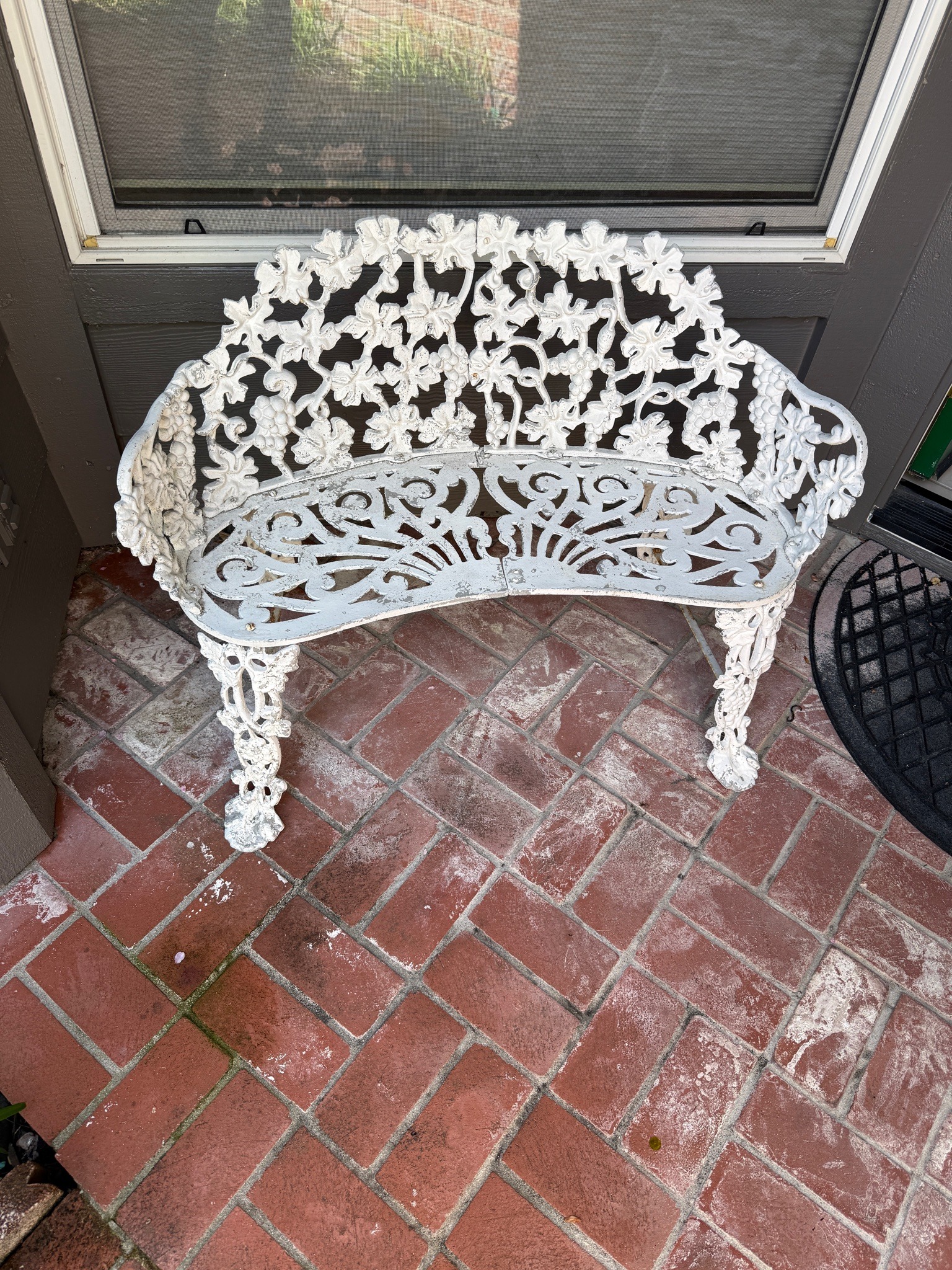
Submitted item photo
Submitted photo · June 19, 2026

User's notes

Metal bench

AI analysis below

AI appraisal

AI analysis & estimate

AI-Generated · Verify before acting

Everything below is generated by AI for informational purposes only. AI can make mistakes — the AI may misidentify items or misattribute them (artist, maker, brand, designer, origin, era). This is not an official valuation and should not be used for insurance, sale, tax, estate, legal, or lending purposes — or any decision requiring a certified appraisal. It is not an authoritative claim about any person, brand, or rights holder — do not share or rely on it as a factual statement about a third party. Always consult qualified professionals before making financial decisions.

Note

This analysis also relies on unverified notes provided by the user, which may be incomplete or inaccurate and could affect the result.

Read the full disclaimer

AI Identification

·Not independently authenticated·Verify before acting

Cast Iron Grape and Leaf Pattern Garden Bench

Antique Outdoor Furniture

AI Estimated Value

·Not an official valuation·Verify before acting

$800 - $1,200

As of June 19, 2026

AI Item Analysis

·AI can make mistakes·Verify before acting
This is a decorative cast iron garden settee or bench, featuring a classic 'Grape and Leaf' or 'Grapevine' motif. Often attributed to makers like Kramer Bros or Wood & Perot, this style saw high popularity in the mid-to-late 19th century and remains a staple of Victorian-style garden furniture. The bench is constructed from multiple cast panels bolted together, displaying a curved backrest and integrated armrests densely decorated with pierced grape clusters and textured foliage. The seat features a distinct radiating fan-like scrollwork pattern. The four cabriole legs are also heavily cast with floral and leaf detailing, ending in pad-style feet. The entire piece is finished in a thick white paint. Condition-wise, the bench shows significant signs of age and outdoor exposure; there are visible areas of paint chipping, flaking, and surface oxidation (rust) bleeding through the white finish, particularly at the joints and on the seat surface. The heavy casting suggests high-quality mid-20th-century reproduction or original Victorian manufacture, as opposed to lighter aluminum modern variants. The intricate detail in the casting shows crisp leaf veins and grape textures, indicating a well-maintained mold during production.

AI Appraisal Report

·AI can make mistakes·Verify before acting
Upon examination of this cast iron garden bench featuring the iconic 'Grape and Leaf' motif, I find it to be a high-quality example of 19th-century Victorian design. The crispness of the casting, particularly the definition in the grape clusters and leaf veins, points toward an earlier production or a high-end mid-20th-century foundry reproduction rather than modern, mass-produced lightweight aluminum copies. The seat’s radiating fan-like scrollwork is a hallmark of the Wood & Perot style, a prestigious maker of the era. The current condition shows significant surface oxidation and multiple layers of failing paint; however, for cast iron, this is largely cosmetic. The structural integrity appears sound, and the visible rust actually serves to confirm the ferrous nature of the material. The market for Victorian garden furniture remains stable, with authentic cast iron pieces fetching a premium over modern alloys due to their weight and durability. Comparables at auction for similar benches in unrestored condition typically range between $750 and $1,300. The primary limitation of this appraisal is the inability to physically inspect the joints for hairline fractures or locate a maker's mark, which is often buried under layers of paint. To achieve full authentication and potentially increase the valuation, an in-person inspection would be required to verify the specific weight, check for 'ghost' marks of 19th-century foundries, and ensure all bolts are period-appropriate. Documentation of provenance or a professional cleaning to reveal foundry stamps would be necessary to move this into a higher 'investment-grade' category.

Get your items appraised

Instant estimates of your treasures with AI-powered appraisals

Browse More Appraisals