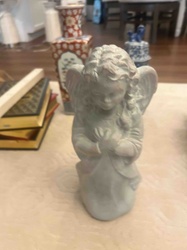
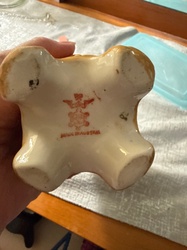
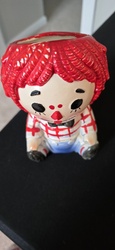
AI estimate as of July 25, 2026 · verify with a professional before acting
AI-Generated · Verify before acting
Everything on this page is generated by AI for informational purposes only. AI can make mistakes — the AI may misidentify items or misattribute them (artist, maker, brand, designer, origin, era). This is not an official valuation and should not be used for insurance, sale, tax, estate, legal, or lending purposes — or any decision requiring a certified appraisal. It is not an authoritative claim about any person, brand, or rights holder — do not share or rely on it as a factual statement about a third party. Always consult qualified professionals before making financial decisions.
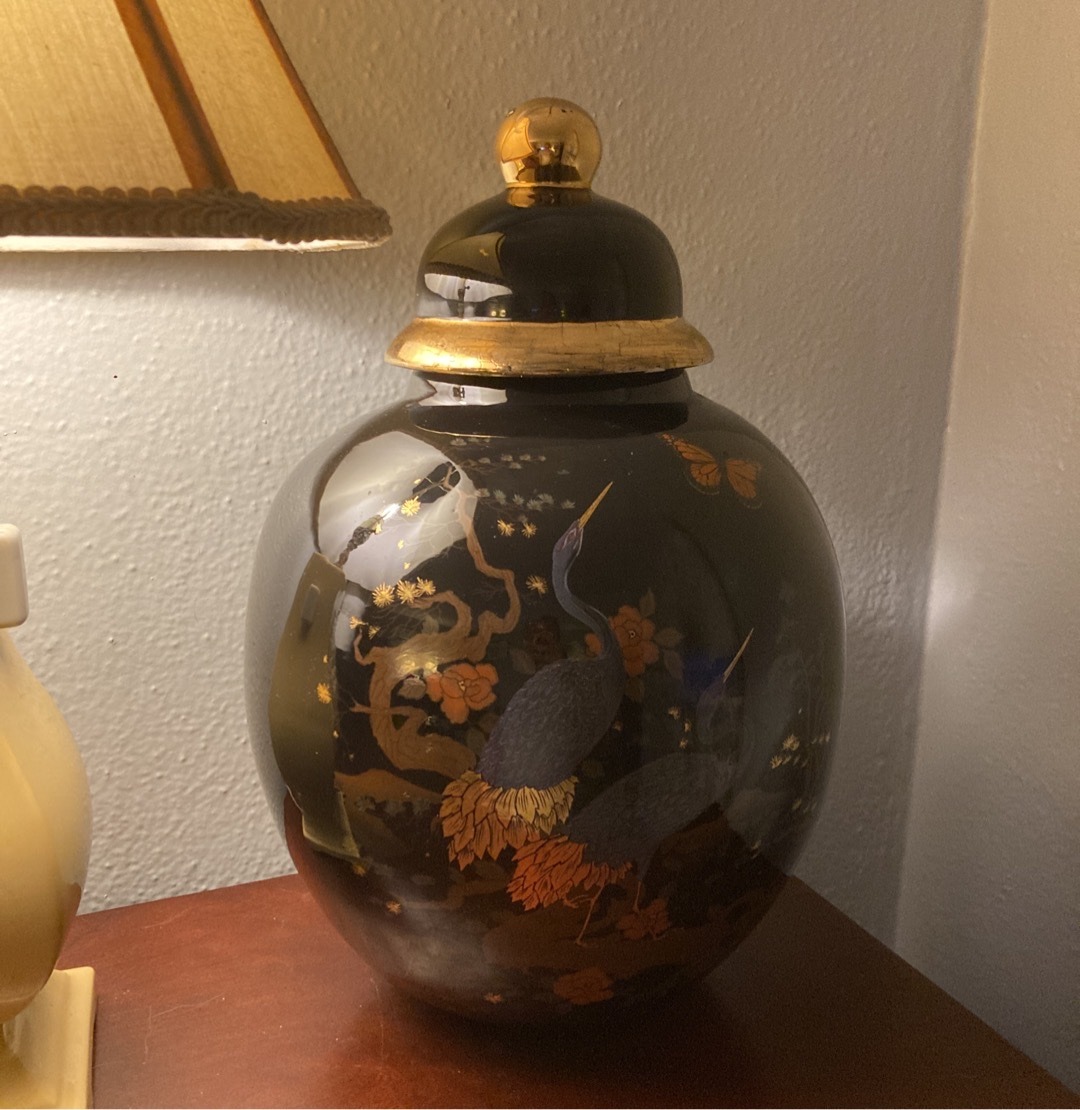
This object appears to be a covered porcelain ginger jar or temple jar featuring a high-gloss black glazed background decorated with polychrome and metallic gilt enameling. The decoration depicts naturalistic motifs, including blue-grey herons or cranes standing among stylized gnarled tree branches, orange blossoms, fine floral clusters, and a orange butterfly. The upper portion includes a matching domed lid topped with a round spherical finial painted in a bright metallic gold finish, with similar gilding along the flared lip of the lid. The overall design is stylistically consistent with late 20th-century Asian-inspired decorative ceramics, such as Satsuma-style or Chokin-inspired export porcelain, though no maker's mark or stamp is visible in this photograph. The glossy glaze presents strong reflections from nearby lighting, but the surface overall appears intact without visually apparent cracks or heavy structural damage. Any definitive attribution to a specific manufacture date, region, or maker would require in-person examination of the base for stamps, signatures, or backstamps.
AI Appraisal Report
Based on what I can see in the provided image, this object is a decorative black glazed porcelain ginger jar featuring polychrome enameling and metallic gilt accents depicting cranes, floral motifs, and a butterfly. The aesthetic aligns with late 20th-century Asian export decorative ceramics, often produced for the Western home decor market in the style of Satsuma or Chokin wares.
From a photograph alone, I cannot examine the underside for maker's marks, stamps, or impressed signatures that would indicate a specific manufacturer or country of origin. Additionally, I cannot verify the exact age, material density, or check for subtle hairline fractures and restored chips, which require an in-person examination.
Assuming this piece is a modern, mass-produced Asian-style decorative export jar in good cosmetic condition, the estimated fair market value resides in the $30 to $60 range. Market demand for late-20th-century Asian decorative ceramics of this style is relatively modest, as they were widely produced and imported. The value is driven primarily by its visual appeal as a decorative accent rather than collectible rarity.
Should an in-person physical inspection reveal a recognized studio mark or evidence of earlier 20th-century hand-painted craftsmanship, the value could increase modestly. Conversely, if the item exhibits undisclosed surface wear, gilding loss, or structural damage, or if it is confirmed to be a common contemporary reproduction, its secondary market value would likely drop to under $20. To establish a more precise attribution, an evaluator would need to inspect the unglazed foot rim, examine the glaze under magnification, and review any accompanying provenance documentation.