These notes were written by the person who submitted this item. Appraiser.AI has not verified them, and the AI's identification and estimate may rely on them.
AI Estimated Value
Not an official valuation
$1,000 - $1,500
AI estimate as of November 20, 2025 · verify with a professional before acting
AI-Generated · Verify before acting
Everything on this page is generated by AI for informational purposes only. AI can make mistakes — the AI may misidentify items or misattribute them (artist, maker, brand, designer, origin, era). This is not an official valuation and should not be used for insurance, sale, tax, estate, legal, or lending purposes — or any decision requiring a certified appraisal. It is not an authoritative claim about any person, brand, or rights holder — do not share or rely on it as a factual statement about a third party. Always consult qualified professionals before making financial decisions.
This analysis also relies on unverified notes provided by the user, which may be incomplete or inaccurate and could affect the result.
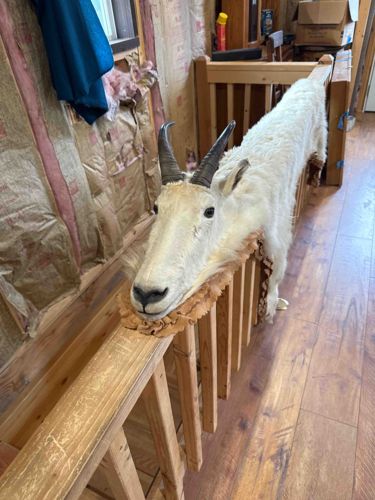
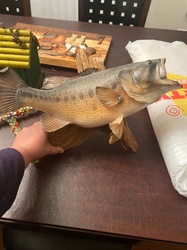
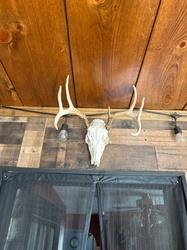
This item is a full body taxidermy rug of a mountain goat, designed to be displayed as a decorative piece. The primary material is the actual hide and fur of a mountain goat, characterized by its thick, shaggy, and predominantly white coat. The fur appears well-preserved, maintaining its natural texture and color with no immediate signs of discoloration or significant shedding visible in the image. The animal's head is mounted prominently, featuring naturalistic glass eyes, a black nose, and two distinctive black, ridged horns that curve slightly backward. The head is detailed, showing an attempt at life-like expression. A notable feature is the scalloped fabric trim, likely felt or suede in a tan or light brown color, that borders the underside of the head and potentially the entire perimeter of the rug, providing a finished edge. The craftsmanship appears to be of decent quality, with the taxidermy work on the head showing good attention to detail in the facial features. The overall condition seems good for a taxidermy item, with no obvious major damage, tears, or significant wear to the fur. Some minor dust or natural darkening of areas due to age might be present but isn't clearly discernible. The rug is presented draped over a wooden railing, suggesting its typical use as a floor covering or wall hanging. Given the inherent nature of taxidermy, the age is likely contemporary or from the mid to late 20th century, depending on hunting regulations and taxidermy practices of the time. The robust horns and full, dense fur indicate a mature specimen.
AI Appraisal Report
Upon visual examination of the provided image, I have assessed this full-body mountain goat (Oreamnos americanus) taxidermy rug. My appraisal is based on the apparent condition, craftsmanship, and current market trends for similar items.
The piece appears to be in very good condition. The fur is full, thick, and retains its characteristic white color, with no obvious signs of significant shedding, insect damage, or discoloration. The taxidermy work on the head is of good quality, featuring well-set glass eyes and properly preserved facial details. The horns are intact and appear to be from a mature specimen, which is a desirable trait. The scalloped felt or suede trim provides a finished, professional edge to the piece.
Market comparables for high-quality, full-body mountain goat rugs typically range from $1,000 to over $2,000. The value is driven by the quality of the taxidermy, the size and condition of the specimen, and overall aesthetic appeal. Demand for this type of decor remains steady among collectors of sporting art, cabin and lodge designers, and taxidermy enthusiasts. The condition of this piece places it in the higher end of the mid-range market.
However, this appraisal has limitations. From an image alone, I cannot definitively verify the species, confirm the absence of subtle flaws like seam separation or mold beneath the hide, or assess the structural integrity of the mount. For full authentication and a more precise valuation, an in-person examination would be required to physically inspect the hide's pliability, check for any odors indicating improper tanning, and look for a taxidermist's signature or tag. Provenance documentation, such as hunting permits or receipts from the original taxidermist, would also significantly aid in confirming its age and origin.