AI Appraisal Estimate

AI-generated estimates · not official valuations

From the user

What was submitted

Photo and notes provided by the user — not generated by AI

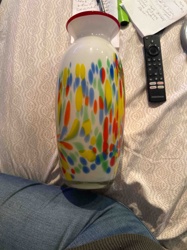
Submitted item photo
Submitted photo · June 8, 2026

User's notes

No additional notes provided.

AI analysis below

AI appraisal

AI analysis & estimate

AI-Generated · Verify before acting

Everything below is generated by AI for informational purposes only. AI can make mistakes — the AI may misidentify items or misattribute them (artist, maker, brand, designer, origin, era). This is not an official valuation and should not be used for insurance, sale, tax, estate, legal, or lending purposes — or any decision requiring a certified appraisal. It is not an authoritative claim about any person, brand, or rights holder — do not share or rely on it as a factual statement about a third party. Always consult qualified professionals before making financial decisions.

Read the full disclaimer

AI Identification

·Not independently authenticated·Verify before acting

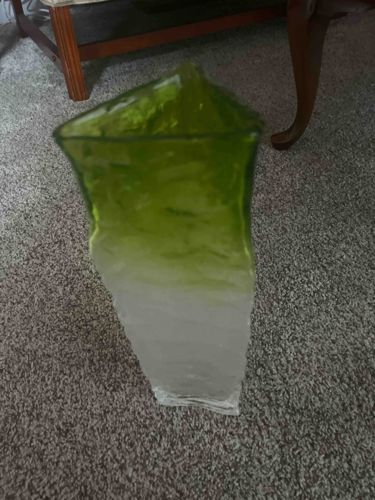
Mid-Century Style Textured Ombre Glass Vase

Art Glass / Home Decor

AI Estimated Value

·Not an official valuation·Verify before acting

$125 - $175

As of June 8, 2026

AI Item Analysis

·AI can make mistakes·Verify before acting
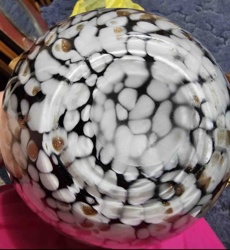
This item is a decorative glass vase featuring a distinctive triangular form with a heavily textured 'bark' or ice-glass finish. The piece displays a sophisticated vertical ombre color transition, starting with a clear, crystalline base that gradually blends into a vibrant lime green or peridot hue toward the rim. The texture is organic and irregular, evocative of mid-century Scandinavian or Italian art glass traditions, such as the works of Whitefriars or various Murano glassmakers. Physically, the vase appears to be of substantial weight with thick walls and a ground, flat base. The rim follows the sharp triangular geometry of the body, creating an architectural silhouette. In terms of condition, the glass retains its clarity without visible significant clouding or 'sick glass' syndrome, though there may be minor shelf wear on the bottom surface. No major chips or cracks are immediately apparent from the visual inspection. The craftsmanship suggests a mold-blown or pressed technique designed to mimic hand-chiseled stone or frozen water. While no specific maker’s mark is visible in the image, the style and color palette are consistent with mid-to-late 20th-century decorative arts, likely dating from the 1960s to 1970s.
AI Appraisal Report

·AI can make mistakes·Verify before acting
I have carefully examined the visual characteristics of this triangular textured art glass vase. The piece exhibits the definitive 'bark' texture popularized by Geoffrey Baxter for Whitefriars and subsequently emulated by manufacturers such as Ingrid Glashütte and various Japanese glassworks during the 1960s and 70s. The vertical ombre transition from clear to peridot green is well-executed, and the structural integrity appears sound with no visible internal fracturing or 'sick glass' haze. The ground base suggests a production level above mass-market soda glass but typical of high-quality mid-century decorative wares. The market for mid-century textured glass remains stable, particularly for architectural shapes like this triangular form. Similar unsigned 'Bark' series items typically command prices in the $100 to $200 range. While authentic Whitefriars pieces can reach higher valuations, the lack of a specific signature or label on this item leads me to categorize it as 'styled after' or high-quality European art glass of the period. Factors impacting value include the current popularity of the lime green palette in interior design and the excellent preservation of the rim’s sharp geometry. However, because this assessment is based on imagery, I must note that definitive attribution is impossible without physical inspection of the pontil mark and weight. A physical examination would be required to rule out modern reproductions and to check for micro-chips along the textured ridges. Full authentication would necessitate provenance documentation or a confirmed maker's mark (acid etch or paper label) which would potentially shift the valuation toward the higher end of the spectrum.

Get your items appraised

Instant estimates of your treasures with AI-powered appraisals

Browse More Appraisals