AI Appraisal Estimate

AI-generated estimates · not official valuations

From the user

What was submitted

Photo and notes provided by the user — not generated by AI

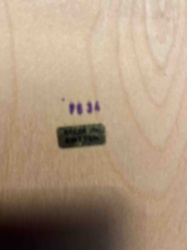
Submitted item photo
Submitted photo · June 15, 2026

User's notes

Wellington hall

AI analysis below

AI appraisal

AI analysis & estimate

AI-Generated · Verify before acting

Everything below is generated by AI for informational purposes only. AI can make mistakes — the AI may misidentify items or misattribute them (artist, maker, brand, designer, origin, era). This is not an official valuation and should not be used for insurance, sale, tax, estate, legal, or lending purposes — or any decision requiring a certified appraisal. It is not an authoritative claim about any person, brand, or rights holder — do not share or rely on it as a factual statement about a third party. Always consult qualified professionals before making financial decisions.

Note

This analysis also relies on unverified notes provided by the user, which may be incomplete or inaccurate and could affect the result.

Read the full disclaimer

AI Identification

·Not independently authenticated·Verify before acting

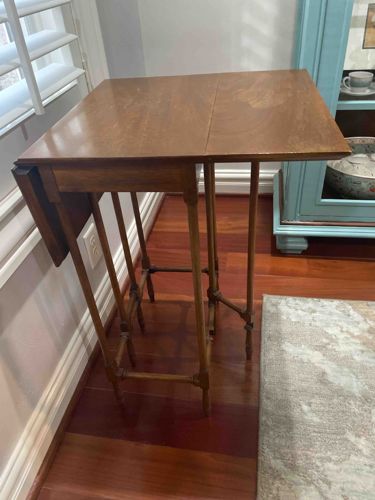
Wellington Hall Mahogany Gate-Leg Drop-Leaf Butterfly Table

Furniture

AI Estimated Value

·Not an official valuation·Verify before acting

$450 - $650

As of June 15, 2026

AI Item Analysis

·AI can make mistakes·Verify before acting
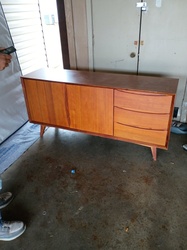
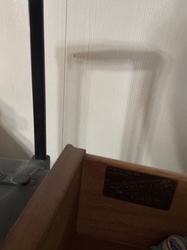
A vintage Wellington Hall drop-leaf gate-leg accent table, potentially belonging to the 'Butterfly' or 'Sofa' table classification due to its narrow profile and expanding leaves. The piece is constructed primarily of high-quality mahogany with a warm, reddish-brown stain and a semi-gloss finish. The design features a rectangular top with two hinged drop leaves that are supported by a gate-leg mechanism when extended. The legs are notably slender, featuring decorative ring-turned accents and block joinery consistent with Sheraton or Federal revival styles. The base is reinforced with rectangular stretchers for stability. The craftsmanship displays fine joinery on the apron and smooth articulation of the hinges. Regarding condition, the table top shows minor surface wear, including light scratches and slight finish thinning along the hinges, which is expected with age. There is no visible sign of structural repair or major wood splitting. The patina is well-developed, suggesting a manufacturing date mid-to-late 20th century. Its slender 'tuck-away' footprint makes it a quintessential piece of versatile hall or side furniture designed for smaller living spaces while maintaining a classic aesthetic.
AI Appraisal Report

·AI can make mistakes·Verify before acting
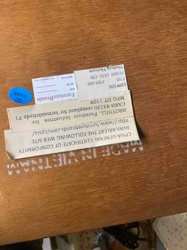
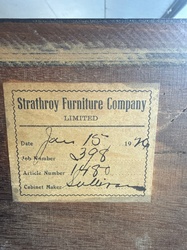
I have carefully examined the provided details and imagery for the Wellington Hall mahogany gate-leg table. Based on its construction and ornamentation—specifically the delicate ring-turned Sheraton-style legs and the quality of the mahogany veneer—I have identified this as a high-quality mid-to-late 20th-century reproduction in the Federal style. The finish remains largely intact, exhibiting a desirable warm patina, though the noted minor thinning at the hinges and light surface scratches on the tabletop are consistent with residential use. Structurally, the gate-leg mechanism appears well-aligned, which is critical for the value of drop-leaf furniture. The market for mid-century 'brown furniture' reproductions remains stable for functional accent pieces. Wellington Hall pieces are regarded by collectors for their superior joinery compared to mass-market brands like Lane or Bassett. Comparable sales for secondary-market butterfly tables of this size typically fluctuate between $400 and $700 depending on the local market and the presence of any branding marks. While the visual evidence strongly suggests authenticity as a genuine Wellington Hall piece, a definitive valuation is limited by the digital format. For full authentication, I would require an in-person inspection to verify the assembly methods (such as the presence of dovetailing or specific hardware stamps) and a physical examination of the underside to check for original manufacturer labels. Scientific testing is unnecessary given the 20th-century origin, but provenance documentation from the original point of sale would further solidify its provenance and marketability.

Get your items appraised

Instant estimates of your treasures with AI-powered appraisals

Browse More Appraisals