AI Appraisal Estimate

AI-generated estimates · not official valuations

From the user

What was submitted

Photo and notes provided by the user — not generated by AI

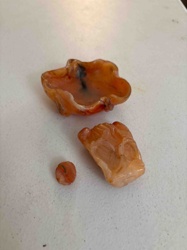
Submitted item photo
Submitted photo · June 3, 2026

User's notes

No additional notes provided.

AI analysis below

AI appraisal

AI analysis & estimate

AI-Generated · Verify before acting

Everything below is generated by AI for informational purposes only. AI can make mistakes — the AI may misidentify items or misattribute them (artist, maker, brand, designer, origin, era). This is not an official valuation and should not be used for insurance, sale, tax, estate, legal, or lending purposes — or any decision requiring a certified appraisal. It is not an authoritative claim about any person, brand, or rights holder — do not share or rely on it as a factual statement about a third party. Always consult qualified professionals before making financial decisions.

Read the full disclaimer

AI Identification

·Not independently authenticated·Verify before acting

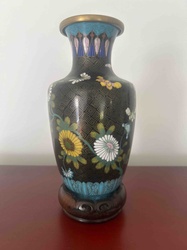
Four-Panel Chinese Coromandel Lacquer Folding Screen

Asian Antiques & Decorative Arts

AI Estimated Value

·Not an official valuation·Verify before acting

$1,200 - $1,800

As of June 3, 2026

AI Item Analysis

·AI can make mistakes·Verify before acting
This is a significant four-panel Chinese folding floor screen, also known as a Coromandel screen, featuring a striking black lacquer finish with hand-carved stone and shell relief inlays. The screen displays a complex landscape scene across the panels, depicting celestial or aristocratic figures wandering through pagoda-dotted gardens and crossing ornate bridges. The figures, birds, and architectural elements are rendered in high-relief using various shades of soapstone, mother-of-pearl, and possibly jadeite, providing a three-dimensional effect against the dark background. Gold-painted line work illustrates rolling hills and clouds in the background, while the outer borders feature delicate floral and geometric gold stenciling. The lower tier of each panel contains a cartouche featuring 'Spring' floral motifs, likely cherry or plum blossoms. Based on the craftsmanship and material usage, this piece likely dates to the mid-20th century. Condition-wise, the lacquer retains a high gloss, though there is visible minor chipping along the hinge joints and lower edges. Some faint surface crazing is present on the black finish, which is typical for aged lacquer. The inlay appears largely intact with no significant missing elements, showing high-quality craftsmanship in the carving of the stone features.
AI Appraisal Report

·AI can make mistakes·Verify before acting
Based on my visual examination of this four-panel Chinese Coromandel lacquer screen, I have determined it to be a high-quality decorative piece likely dating from the mid-20th century (Republic period or early PRC export). The application of semi-precious stone inlays, including soapstone and mother-of-pearl, elevates this above standard painted versions. The high-relief 'pietra dura' style craftsmanship remains largely intact, though the surface crazing and minor chipping near the hinges are consistent with the natural expansion and contraction of a wood substrate beneath traditional lacquer. In the current market, mid-century screens of this scale and material complexity are in steady demand for interior design. While not an 18th-century antique, which would command five-figure sums, its value is bolstered by the completeness of its delicate shell and stone components. Comparables at auction typically realize between $1,000 and $2,000 depending on the specific stones used and regional buyer interest. The primary value-driver here is the decorative appeal and the labor-intensive nature of the relief carvings. Note that this assessment is based strictly on digital images. A physical inspection is required to determine if the 'lacquer' is traditional sap-based urushi or a modern synthetic resin, the latter of which would reduce value. Furthermore, I cannot verify through photos if any stone elements have been professionally stabilized or re-adhered. Full authentication would require a tactile examination of the joinery and provenance documentation to confirm its age and origin. Scientific testing of the adhesive resins could also provide more precise dating.

Get your items appraised

Instant estimates of your treasures with AI-powered appraisals

Browse More Appraisals