AI identification & appraisal estimate

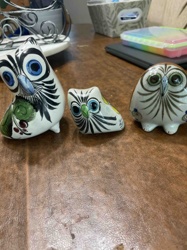
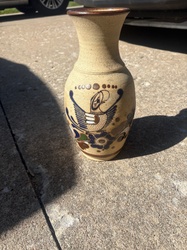
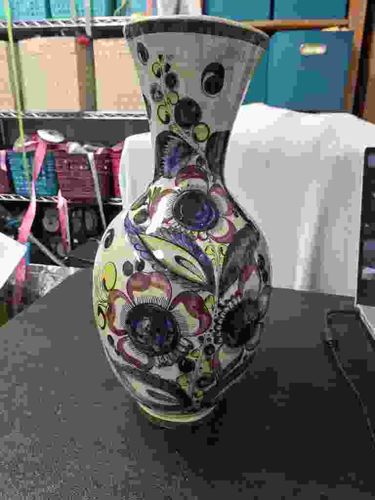
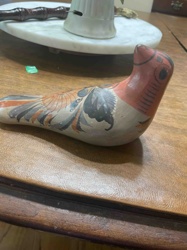
Tonalá Mexican Folk Art Pottery Vase

Submitted photo of Tonalá Mexican Folk Art Pottery Vase
Photo submitted by the user — not generated by AI

AI Estimated Value

Not an official valuation

$125 - $225

AI estimate as of April 4, 2026 · verify with a professional before acting

AI-Generated · Verify before acting

Everything on this page is generated by AI for informational purposes only. AI can make mistakes — the AI may misidentify items or misattribute them (artist, maker, brand, designer, origin, era). This is not an official valuation and should not be used for insurance, sale, tax, estate, legal, or lending purposes — or any decision requiring a certified appraisal. It is not an authoritative claim about any person, brand, or rights holder — do not share or rely on it as a factual statement about a third party. Always consult qualified professionals before making financial decisions.

Read the full disclaimer

AI Item Analysis

This is a hand-painted ceramic vase, characteristic of the Tonalá folk art tradition originating from Jalisco, Mexico. The vessel features a bulbous body that tapers into a slender, elongated neck with a flared rim, a classic silhouette for decorative urns or vases. The material is likely a burnished or glazed terracotta (barro pulido/vidriado), known for its smooth texture and slight sheen. The color palette is vibrant and traditional, utilizing a base of off-white to cream, accented with intricate floral and botanical motifs in shades of magenta, violet, charcoal black, and lime green. The motifs are executed with heavy black outlines, a hallmark of the 'petatillo' or 'high-fire' regional styles. Notable features include wide-eyed floral centers that almost mimic peacock feathers, expertly layered to create depth. There are no clearly visible maker's marks or signatures in the image, though Tonalá pieces frequently bear artist initials or 'Mexico' on the underside. The condition appears to be fair to good, with some visible surface wear and minor scuffing on the body, which is common with hand-fired ceramics of this type. The style is mid-to-late 20th-century Mexican folk art, displaying high-quality craftsmanship through the precision of the hand-painted line work and the symmetry of the form.
AI Appraisal Report

I have conducted a visual analysis of this Tonalá ceramic vase, a classic example of Mexican folk art from Jalisco. The piece exhibits the 'barro bruñido' or burnished clay tradition, characterized by its smooth, matte-to-satin finish and intricate floral motifs. Based on the palette and line work, I date this piece to the mid-to-late 20th century. The brushwork shows high proficiency, particularly in the symmetry of the 'flor de Tonalá' patterns and the delicate linework typical of the region’s master workshops. The condition is fair to good; while the core structure remains intact, visible surface scuffing and pigment loss are present, which is typical for burnished earthenware but does detract slightly from the secondary market value. The market for mid-century Mexican pottery remains steady, with collector demand focused on identifiable 'Grand Masters' like Jorge Wilmot or Ken Edwards. Without a signature, this piece is valued as a high-quality decorative object rather than a specific artist-attributed work. Factors impacting value include the lack of a visible mark and the noted surface abrasions. Limitations of this appraisal include the inability to inspect the base for signatures or examine the clay body for repairs under UV light. A full authentication would require in-person examination to verify the firing technique and investigate the underside for artist initials. Provenance documentation or a confirmed workshop mark would potentially double the valuation.

Keep exploring

More decorative arts / mexican folk art appraisals

Get your items appraised

Instant AI-powered appraisal estimates from a photo

Browse More Appraisals