AI identification & appraisal estimate

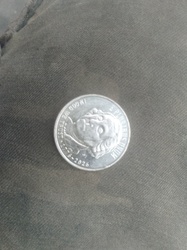
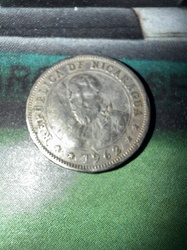
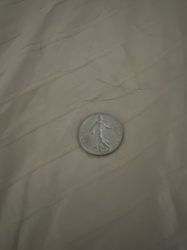
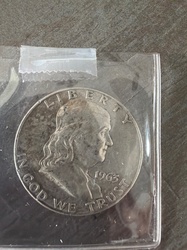
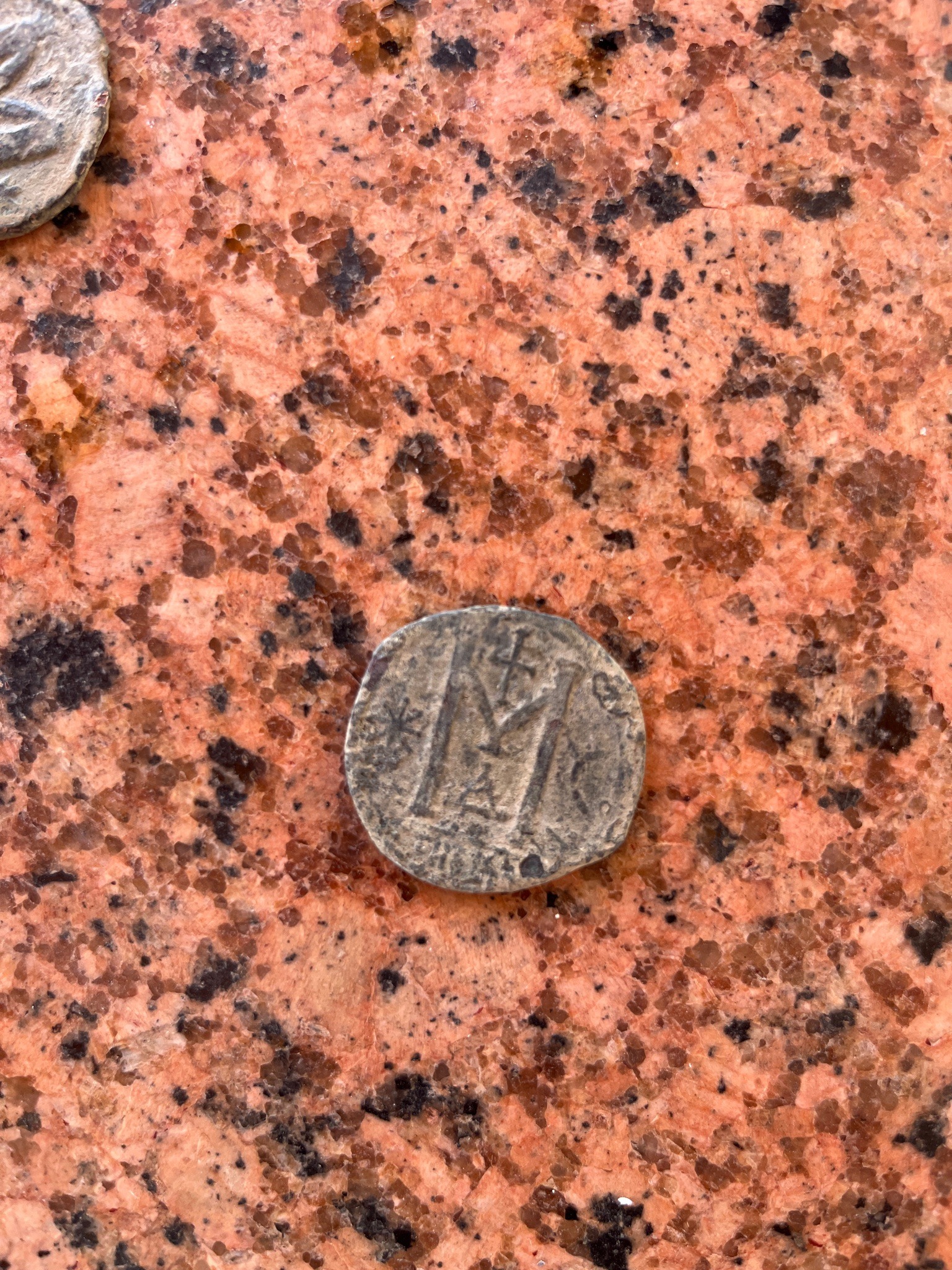
Byzantine-style bronze follis coin

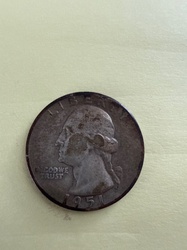
Submitted photo of Byzantine-style bronze follis coin
Photo submitted by the user — not generated by AI

AI Estimated Value

Not an official valuation

$40 - $120

AI estimate as of June 16, 2026 · verify with a professional before acting

AI-Generated · Verify before acting

Everything on this page is generated by AI for informational purposes only. AI can make mistakes — the AI may misidentify items or misattribute them (artist, maker, brand, designer, origin, era). This is not an official valuation and should not be used for insurance, sale, tax, estate, legal, or lending purposes — or any decision requiring a certified appraisal. It is not an authoritative claim about any person, brand, or rights holder — do not share or rely on it as a factual statement about a third party. Always consult qualified professionals before making financial decisions.

Read the full disclaimer

AI Item Analysis

This appears to be a copper-alloy or bronze coin, stylistically consistent with a Byzantine Empire follis. The central feature is a large, stylized letter 'M', which traditionally served as a denomination mark for 40 nummi. Above the 'M' is a cross, and beneath the central arch of the 'M' is a smaller Greek letter, possibly an 'A' or 'delta', which often denoted the officina (workshop) of the mint. To the left and right of the 'M' are vertical inscriptions that appear consistent with 'ANNO' (year) and Roman numerals, though the exact date is difficult to discern due to wear. The coin displays an aged, dark grey-brown patina with visible surface encrustations and uneven edges, characteristic of an excavated or long-circulated metallic object. The striking is slightly off-center and the flan is somewhat irregular in shape. While these features are characteristic of currency from the era of Justinian I or similar Byzantine rulers (roughly 6th century AD), this attribution is a hypothesis based on visual indicators only, as such items are frequently replicated or can be subject to misidentification without physical analysis and metallurgical testing.
AI Appraisal Report

Based on my visual analysis of the provided image, this object appears consistent with a Byzantine copper-alloy follis, possibly dating to the 6th century. The presence of the large 'M' denomination mark and 'ANNO' regnal date indicators suggests a design associated with the period of Justinian I or his successors. However, I cannot verify the metallic composition or strike characteristics from a photo alone; a physical inspection is required to rule out modern cast replicas or contemporary forgeries. The value estimate is based on the hypothesis that this is a period-accurate specimen. The current condition shows significant wear and crusting, which obscures the specific mint mark and regnal year, thereby limiting the value compared to better-preserved examples. In the current numismatic market, common Byzantine bronze coins in 'fine' to 'very fine' condition typically see modest demand. The higher end of the range assumes a desirable mint location, such as Constantinople, whereas a more common or illegible mint would sit at the lower end. If physical testing or expert numismatic review were to determine this is a modern reproduction or a later 'in the style of' copy, the value would be nominal, likely under $5. To confirm a more precise identification and value, the coin would need to be weighed, measured for diameter, and examined under magnification by a specialist to check for casting bubbles or artificial patination. Documentation of provenance would also be necessary to establish its status in the marketplace. Without such verification, this remains a working attribution only.

Keep exploring

More coins and numismatics appraisals

Get your items appraised

Instant AI-powered appraisal estimates from a photo

Browse More Appraisals