AI estimate as of December 5, 2025 · verify with a professional before acting
AI-Generated · Verify before acting
Everything on this page is generated by AI for informational purposes only. AI can make mistakes — the AI may misidentify items or misattribute them (artist, maker, brand, designer, origin, era). This is not an official valuation and should not be used for insurance, sale, tax, estate, legal, or lending purposes — or any decision requiring a certified appraisal. It is not an authoritative claim about any person, brand, or rights holder — do not share or rely on it as a factual statement about a third party. Always consult qualified professionals before making financial decisions.
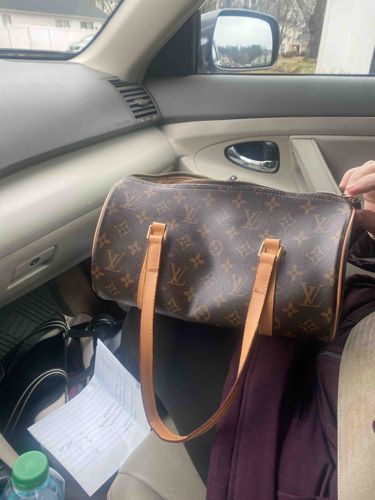
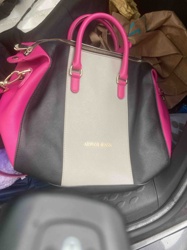
The item depicted is a Louis Vuitton Papillon 26 handbag, identifiable by its distinctive cylindrical 'barrel' shape. It features the iconic Louis Vuitton Monogram canvas, characterized by its dark brown background adorned with repeating 'LV' initials, quatrefoils, and flowers in a lighter tan or beige color. The canvas appears to be in good condition with no immediately visible significant scuffs or tears, though a thorough inspection would be required to confirm this. The trim and twin shoulder straps are crafted from natural vachetta leather, which has developed a medium honey to light brown patina, indicating some use and age. The leather straps are attached to the body of the bag with hardware, likely brass, which is not clearly visible but is typical for this style. The top closure is a zipper, and the zipper pull is partially visible, appearing to be metallic. The interior lining is not visible but is typically a brown canvas or leather. The bag displays minor signs of general wear consistent with its age, particularly in the patina of the vachetta leather, which darkens and softens over time. No obvious deep scratches or heavy staining are visible on the monogram canvas. This bag is a classic design from Louis Vuitton, likely manufactured in the late 20th or early 21st century. The craftsmanship is consistent with luxury handbags, featuring precise stitching and durable materials, indicating a high-quality product. Its compact size and classic design make it a versatile accessory.
AI Appraisal Report
I have examined the provided image of the Louis Vuitton Monogram Papillon 26 handbag. Based on the visual cues, the item appears authentic. The Monogram canvas pattern, color saturation, and alignment seem consistent with genuine Louis Vuitton products. The distinctive cylindrical 'barrel' shape is characteristic of the Papillon design. The vachetta leather, used for the trim and twin shoulder straps, exhibits a desirable honey to light brown patina, indicating natural aging and use, which is a positive sign of authenticity rather than a red flag. The canvas itself appears to be in good condition with no obvious significant damage, scuffs, or tears. The hardware, though partially visible, appears to be consistent with typical brass found on these bags.
Market conditions for vintage Louis Vuitton monogram bags remain strong, driven by classic designs and brand recognition. The Papillon 26 is a popular, albeit not exceptionally rare, model. Its compact size and timeless appeal contribute to consistent demand. Bags in this condition, showing moderate patina on the vachetta but well-maintained canvas, typically fetch a solid resale value. Comparable sales for Louis Vuitton Papillon 26 models in good to very good pre-owned condition on platforms like Vestiaire Collective, The RealReal, and Fashionphile generally fall into the $400-$600 range.
Factors impacting this value include the desirable patina on the vachetta, the seemingly clean canvas, and the overall classic appeal. However, without a physical inspection, certain limitations exist. I cannot definitively verify authenticity without examining heat stamps, date codes, the interior lining, zipper hardware markings, and stitching details up close. An in-person examination would also be crucial to detect any hidden flaws, odors, or repairs that could affect value. While the visual evidence strongly suggests authenticity, only a comprehensive physical inspection or full provenance documentation could provide 100% certainty regarding its genuine nature.