AI identification & appraisal estimate

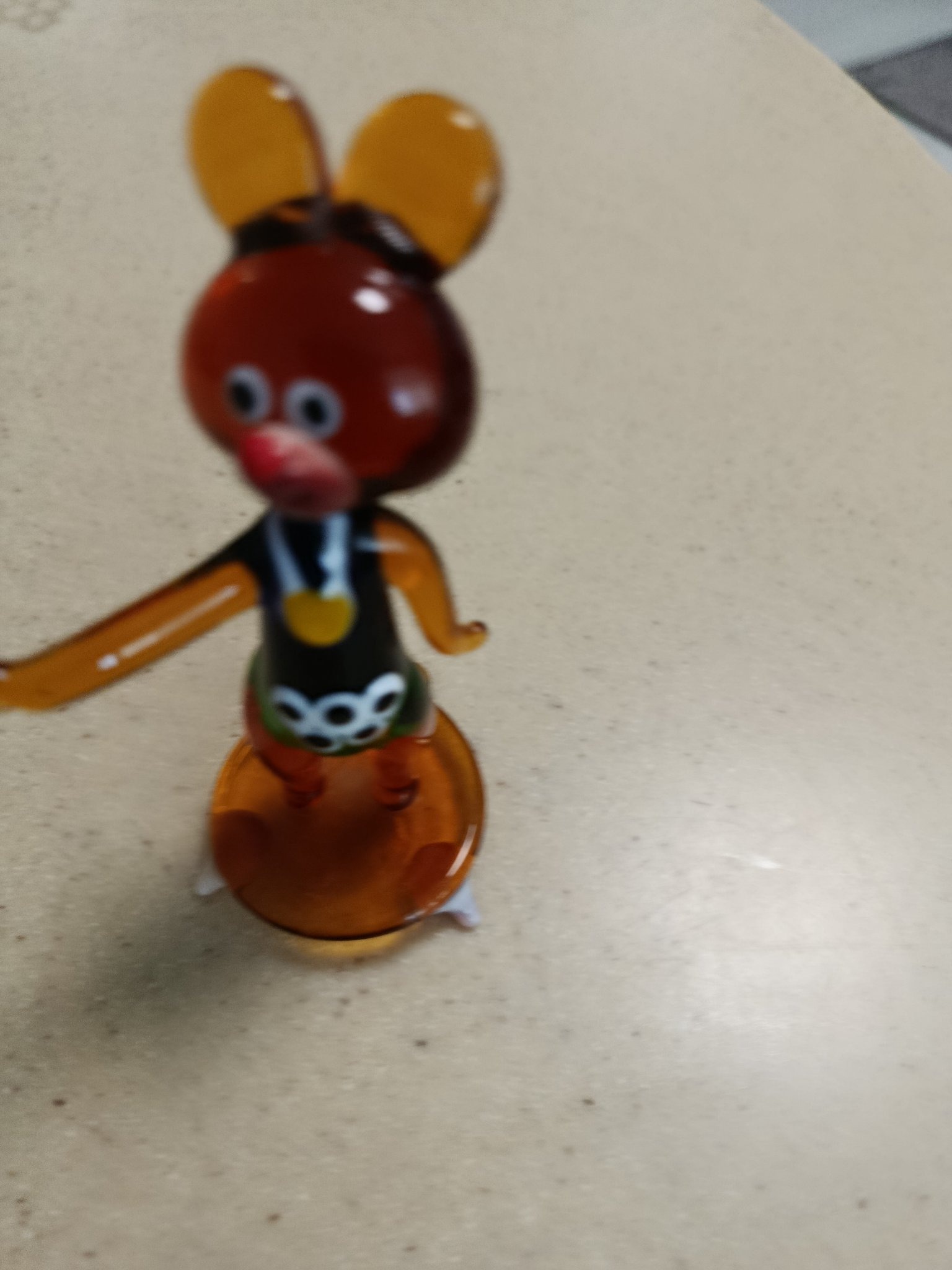
Glass figurine depicting Misha the Bear

Submitted photo of Glass figurine depicting Misha the Bear
Photo submitted by the user — not generated by AI

User's notes

что это

These notes were written by the person who submitted this item. Appraiser.AI has not verified them, and the AI's identification and estimate may rely on them.

AI Estimated Value

Not an official valuation

$60-$120

AI estimate as of August 6, 2026 · verify with a professional before acting

AI-Generated · Verify before acting

Everything on this page is generated by AI for informational purposes only. AI can make mistakes — the AI may misidentify items or misattribute them (artist, maker, brand, designer, origin, era). This is not an official valuation and should not be used for insurance, sale, tax, estate, legal, or lending purposes — or any decision requiring a certified appraisal. It is not an authoritative claim about any person, brand, or rights holder — do not share or rely on it as a factual statement about a third party. Always consult qualified professionals before making financial decisions.

This analysis also relies on unverified notes provided by the user, which may be incomplete or inaccurate and could affect the result.

Read the full disclaimer

AI Item Analysis

This is a small decorative glass figurine depicting Misha the Bear, the mascot of the 1980 Summer Olympics held in Moscow. The piece is crafted primarily from translucent amber-colored glass, with applied details in black, white, and red glass to form the facial features, torso, and belt. The bear features prominent round ears, a small red nose, and wide round eyes, wearing a black belt accented with Olympic-style ring motifs and a suspended circular medal around its neck. The figurine stands upon an integrated circular amber glass base. Visually, the object shows smooth molded glass surfaces with glossy finishes, suggesting lampwork or blown glass construction techniques typical of mid-to-late 20th-century souvenir glass production. There are no clearly visible maker's marks, stamps, or signatures in the provided image, leaving the exact manufacturer unverified. The styling and iconography strongly resemble commemorative merchandise from the 1980 Olympic era, consistent with Soviet-period or European decorative glass souvenirs. The user asks 'что это' in Russian, translating to 'what is this?', an unverified inquiry which is noted here. Condition-wise, the object appears intact with no major structural damage visible in the photograph, though the lighting and focus are somewhat soft. The identification rests entirely on the visual iconography of the bear character and the Olympic motifs.

AI Appraisal Report

Based on what I can see in the photograph, this small decorative glass figurine depicts Misha the Bear, the mascot of the 1980 Summer Olympics. The piece is crafted from translucent amber-colored glass with applied details in black, white, and red, featuring an integrated circular base. The owner asks 'что this' or 'what is this?', and identifies the object through visual iconography as commemorative memorabilia from the 1980 Olympic era, consistent with Soviet-period or European decorative glass souvenirs. I cannot verify from a photo whether this is an official licensed Soviet-era souvenir, a later commemorative replica, or a regional variation, as there are no clearly visible maker's marks, stamps, or signatures. Based on the assumption that this is a period-appropriate commemorative glass figurine, items of this type typically trade in the $60 to $120 range depending on condition, rarity, and collector demand for Olympic memorabilia. General market demand for 1980 Moscow Olympics souvenirs remains moderately active among niche collectors of Soviet ephemera and Olympic mascots. However, if physical inspection reveals this to be a modern reproduction, replica, or unattributed souvenir of lesser quality, the value would likely decrease to the $20-$40 range. To establish a more precise evaluation and assess authenticity, I would need physical inspection to confirm the glass composition, manufacturing technique, and any faint or hidden markings. Further authentication would require in-person examination by an expert in mid-20th-century decorative glass.

Keep exploring

More glassware appraisals

Get your items appraised

Instant AI-powered appraisal estimates from a photo

Browse More Appraisals