AI Appraisal Estimate

AI-generated estimates · not official valuations

From the user

What was submitted

Photo and notes provided by the user — not generated by AI

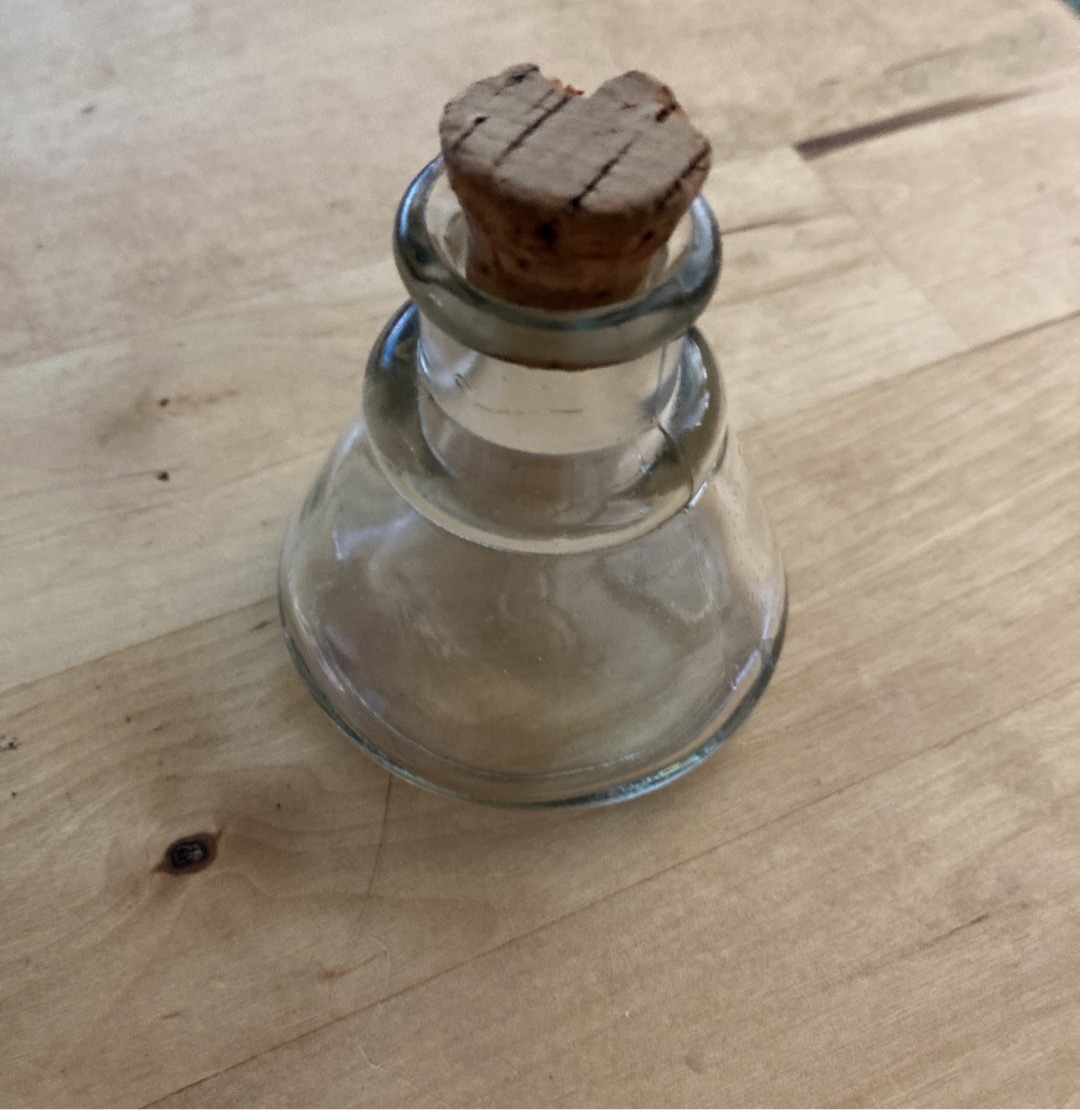
Submitted item photo
Submitted photo · June 23, 2026

User's notes

6 or 9 imprint in bottom center

AI analysis below

AI appraisal

AI analysis & estimate

AI-Generated · Verify before acting

Everything below is generated by AI for informational purposes only. AI can make mistakes — the AI may misidentify items or misattribute them (artist, maker, brand, designer, origin, era). This is not an official valuation and should not be used for insurance, sale, tax, estate, legal, or lending purposes — or any decision requiring a certified appraisal. It is not an authoritative claim about any person, brand, or rights holder — do not share or rely on it as a factual statement about a third party. Always consult qualified professionals before making financial decisions.

Note

This analysis also relies on unverified notes provided by the user, which may be incomplete or inaccurate and could affect the result.

Read the full disclaimer

AI Identification

·Not independently authenticated·Verify before acting

Small conical glass inkwell or apothecary bottle with cork

Glassware

AI Estimated Value

·Not an official valuation·Verify before acting

$10–$25

As of June 23, 2026

AI Item Analysis

·AI can make mistakes·Verify before acting
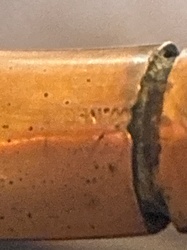
This item appears to be a small, clear glass vessel, stylistically consistent with late 19th or early 20th-century mass-produced inkwells or apothecary bottles. The piece features a conical or bell-shaped body that tapers upward to a distinct, thick glass collar or ring below a short neck and flared rim. A natural cork stopper is currently seated in the opening, showing significant age-related wear including chipping and discoloration on the top surface. The glass itself exhibits a slight greyish or yellowish tint common in older soda-lime glass, along with visible mold seams running vertically, suggesting it was likely machine-made or semi-automatic mold-blown. The base is relatively thick and flat. The owner notes a "6 or 9 imprint in bottom center," which is a common manufacturer's mold mark for cavity identification but is not visible in this angle to confirm a specific factory origin. In its current state, the glass appears to be in fair condition with minor surface scratches and some internal clouding, while the cork appears brittle. Without an in-person inspection of the glass composition and base markings, the identification as a commercial inkwell is a hypothesis based on its utilitarian form and size.

AI Appraisal Report

·AI can make mistakes·Verify before acting
Based on the provided images and description, I have examined this small glass vessel, which bears characteristics typical of a late 19th or early 20th-century mass-produced utility bottle. Per user submission, the item features a '6 or 9' mold mark on the base. I hypothesize this to be a utilitarian inkwell or apothecary bottle, likely produced via semi-automatic or machine-mold processes given the visible vertical seams. From what I can see, the glass displays a slight tint and internal clouding consistent with soda-lime glass of that era, though I cannot verify the exact chemical composition or age without a physical inspection. The cork shows significant wear and brittleness, which is common for organic materials of this age, but its presence adds to the item's character. The value of $10–$25 is an estimate for an antique utility bottle of this common form in fair condition. This valuation assumes the piece is an antique from the turn of the century; if it were determined to be a modern reproduction or a more contemporary decorative 'style' bottle, the market value would likely drop below $5. Conversely, if specific provenance or a rare manufacturer were identified through a physical examination of the base mark and glass quality, the value could see a modest increase. To confirm this hypothesis, an in-person assessment by a specialist would be required to examine for pontil scars, specific mold anomalies, and to verify the depth and clarity of the glass, as many nuances of antique glass are difficult to distinguish from photographs alone.

Get your items appraised

Instant estimates of your treasures with AI-powered appraisals

Browse More Appraisals