AI identification & appraisal estimate

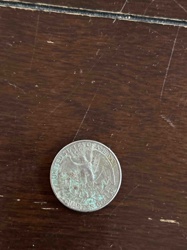
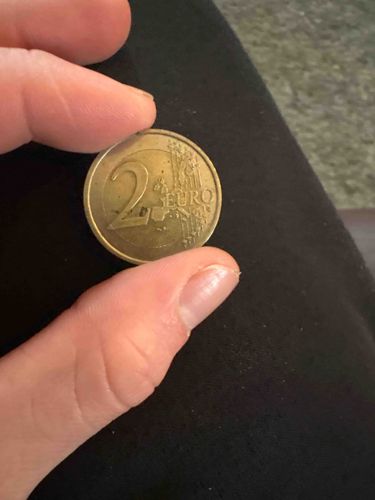
2 Euro Circulating Coin (Reverse Side)

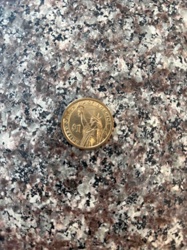
Submitted photo of 2 Euro Circulating Coin (Reverse Side)
Photo submitted by the user — not generated by AI

AI Estimated Value

Not an official valuation

$2.10 - $2.15

AI estimate as of February 11, 2026 · verify with a professional before acting

AI-Generated · Verify before acting

Everything on this page is generated by AI for informational purposes only. AI can make mistakes — the AI may misidentify items or misattribute them (artist, maker, brand, designer, origin, era). This is not an official valuation and should not be used for insurance, sale, tax, estate, legal, or lending purposes — or any decision requiring a certified appraisal. It is not an authoritative claim about any person, brand, or rights holder — do not share or rely on it as a factual statement about a third party. Always consult qualified professionals before making financial decisions.

Read the full disclaimer

AI Item Analysis

This item is a standard circulating 2 Euro coin, appearing as a bi-metallic disc. The coin features a copper-nickel outer ring and a nickel-brass center plug, giving it its characteristic silver and gold-tone appearance. The reverse side shown displays the 'Common Map' design used since 2007, which depicts the European continent rather than just the European Union members. The large numeral '2' is prominent on the left, with the word 'EURO' and a map of Europe to the right. Six vertical lines cut through the map, anchored by stars at both the top and bottom, totaling twelve stars which represent the European flag. The coin measures approximately 25.75mm in diameter with a thickness of 2.20mm. In terms of condition, the specimen shows significant signs of heavy circulation. There is noticeable surface wear, multiple scratches (bag marks), and an accumulation of dark grimy residue within the recessed areas of the design. A dull patina has developed over the metal surfaces, obscuring the original mint luster. The strike remains legible, but the finer geographic details of the map have softened over time. There are no obvious error markings visible on this side of the coin.
AI Appraisal Report

I have conducted a visual examination of the provided image depicting a standard 2 Euro circulating coin featuring the post-2007 'Common Map' reverse design. The coin is a bi-metallic composition consisting of a copper-nickel ring and a nickel-brass center. My assessment confirms that this specimen is in 'Circulated' condition, bordering on 'Fine' (F) on the Sheldon scale. There is a palpable loss of original mint luster, replaced by a dull patina and significant surface abrasions known as bag marks. The presence of dark oxidation and grime in the recesses is typical for currency that has seen extensive daily use. From a numismatic perspective, this is a high-mintage, common-date variety. While the specific mint and year (found on the obverse) remain unknown, the lack of visible minting errors on this reverse side keeps the value firmly pegged to its face value and contemporary exchange rates. The market demand for circulated 2 Euro coins is almost exclusively restricted to their utility as legal tender, as collectors generally seek Uncirculated (UNC) or Proof examples. Limitations: My evaluation is based solely on a two-dimensional image. Authenticity cannot be definitively confirmed without physical testing to verify magnetic properties (the center should be slightly magnetic while the ring is non-magnetic), precise weight (8.50g), and edge lettering. Counterfeit 2 Euro coins are common in the Eurozone; therefore, a high-resolution examination of the edge milling and a metallurgical 'ping test' would be required for a certified valuation. No provenance was provided, though it is not typically required for items of this nominal value.

Keep exploring

More numismatics / currency appraisals

Get your items appraised

Instant AI-powered appraisal estimates from a photo

Browse More Appraisals