AI Appraisal Estimate

AI-generated estimates · not official valuations

From the user

What was submitted

Photo and notes provided by the user — not generated by AI

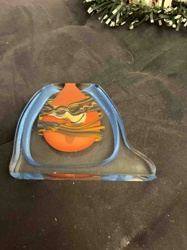
Submitted item photo
Submitted photo · June 25, 2026

User's notes

No additional notes provided.

AI analysis below

AI appraisal

AI analysis & estimate

AI-Generated · Verify before acting

Everything below is generated by AI for informational purposes only. AI can make mistakes — the AI may misidentify items or misattribute them (artist, maker, brand, designer, origin, era). This is not an official valuation and should not be used for insurance, sale, tax, estate, legal, or lending purposes — or any decision requiring a certified appraisal. It is not an authoritative claim about any person, brand, or rights holder — do not share or rely on it as a factual statement about a third party. Always consult qualified professionals before making financial decisions.

Read the full disclaimer

AI Identification

·Not independently authenticated·Verify before acting

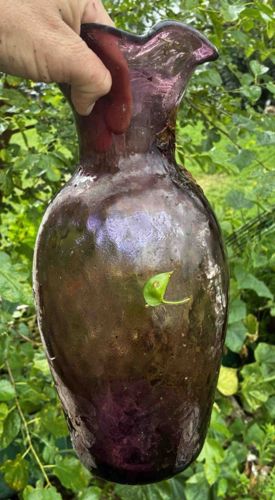
Amethyst Hand-Blown Glass Vase with Fluted Rim

Art Glass / Collectible Glassware

AI Estimated Value

·Not an official valuation·Verify before acting

$45 - $85

As of June 25, 2026

AI Item Analysis

·AI can make mistakes·Verify before acting
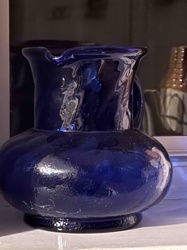
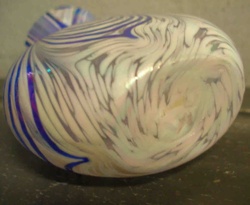
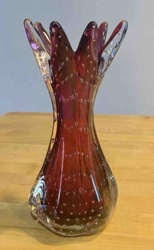
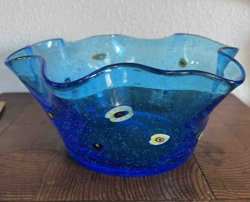
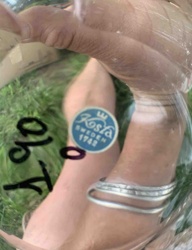
This is a tall, hand-blown art glass vase featuring a deep amethyst or purple hue with an iridescent, almost oil-slick surface sheen. The vessel exhibits a classic ovoid or amphora-inspired body that tapers upward into a narrowed neck before flaring out into a decorative, ruffled, or fluted rim. The glass possesses a textured, hammered, or 'pitted' appearance across the surface, which is indicative of artisanal hand-blowing techniques rather than machine-molding. In terms of color, the density of the purple pigment appears darker toward the base and neck, while thinning out mid-body to reveal more transparency. There are visible surface irregularities and what appears to be organic debris or substantial mineral deposits adhering to the exterior, particularly on the right side and neck, suggesting the item may have been stored in an outdoor or damp environment. No specific maker's marks are visible in the current orientation, but the crude pontil area (not fully visible) and irregular rim suggest a mid-20th-century studio glass origin or late 19th-century bohemian style. The condition is fair to poor, as it requires significant cleaning to remove the crusty white and brown external residue to properly assess for chips or cracks. The craftsmanship reflects an intentional organic aesthetic, common in Art Nouveau or mid-century modern 'blenko-style' decorative arts.
AI Appraisal Report

·AI can make mistakes·Verify before acting
Based on my visual examination of the amethyst hand-blown glass vase, I have assessed it as an unsigned studio glass piece, likely mid-20th century or a contemporary artisanal work. The vessel's iridescent sheen and hammered texture are characteristic of Bohemian or Fenton-style 'stretch glass,' though the lack of a visible maker's mark and the crudity of the fluted rim suggest it is likely a decorative market piece rather than a high-end designer work by masters like Tiffany or Loetz. The condition of the item is a primary concern. The visible crusty mineral deposits and external debris suggest significant environmental exposure. While these may be surface-level (calcium or limescale) and removable with acid-based cleaners, there is a risk of 'sick glass'—permanent chemical etching of the surface—which would render the piece nearly worthless to serious collectors. The market for mid-tier art glass is currently soft, with high supply and a demand concentrated on documented works by recognized brands like Blenko or Durand. Without a signature or attribution, this piece is appraised as a decorative object. My valuation assumes the residue is removable and that no structural cracks exist beneath the scale. However, appraisal from images alone is inherently limited. To provide a definitive authentication, I would require an in-person inspection of the pontil scar (to verify manufacturing method), a weight check, and a UV light test to determine glass composition. Provenance regarding its storage history would also clarify if the surface residue has caused permanent damage. Until the glass is cleaned and a signature is sought on the base, this remains a speculative decorative item.

Get your items appraised

Instant estimates of your treasures with AI-powered appraisals

Browse More Appraisals