AI Appraisal Estimate

AI-generated estimates · not official valuations

From the user

What was submitted

Photo and notes provided by the user — not generated by AI

Submitted item photo
Submitted photo · June 12, 2026

User's notes

No additional notes provided.

AI analysis below

AI appraisal

AI analysis & estimate

AI-Generated · Verify before acting

Everything below is generated by AI for informational purposes only. AI can make mistakes — the AI may misidentify items or misattribute them (artist, maker, brand, designer, origin, era). This is not an official valuation and should not be used for insurance, sale, tax, estate, legal, or lending purposes — or any decision requiring a certified appraisal. It is not an authoritative claim about any person, brand, or rights holder — do not share or rely on it as a factual statement about a third party. Always consult qualified professionals before making financial decisions.

Read the full disclaimer

AI Identification

·Not independently authenticated·Verify before acting

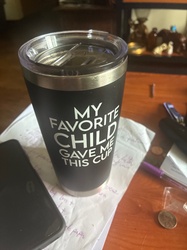
Pressed Glass Teacup or Punch Cup

Drinkware

AI Estimated Value

·Not an official valuation·Verify before acting

$5-15

As of June 12, 2026

AI Item Analysis

·AI can make mistakes·Verify before acting
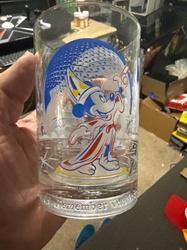
This appears to be a small, clear glass cup, likely a teacup or punch cup, crafted from pressed glass. Its primary design features a repetitive, geometric starburst or pinwheel pattern that covers the entire exterior body of the cup. This pattern consists of numerous faceted diamond and triangular shapes, which catch and reflect light, creating a sparkling effect. The glass itself is clear, without any discernible tint or color. The cup has a delicate, C-shaped handle, also made of clear glass, attached firmly to the side. The edges of the facets and the handle appear smooth, indicating a good level of craftsmanship for pressed glass. The size is consistent with an individual serving cup, fitting comfortably within an average adult's hand as shown in the image. There are no obvious chips, cracks, or significant abrasions visible, suggesting it is in good vintage condition. There is no visible maker's mark or signature. The design strongly suggests a style popular from the late 19th century through the mid-20th century, a period when pressed glass reached its peak in popularity, often mimicking more expensive cut glass. The uniformity of the pattern, achieved through pressing, implies mass production. The quality of the glass appears good, with minimal bubbles or distortions, indicating a reasonably well-controlled manufacturing process.

AI Appraisal Report

·AI can make mistakes·Verify before acting
Upon visual examination of the provided image, this clear pressed glass teacup or punch cup appears to be in very good vintage condition. I don't observe any visible chips, cracks, or significant abrasions, which is excellent for an item of this age. The repetitive geometric starburst/pinwheel pattern is characteristic of pressed glass popular from the late 19th to mid-20th century. The clarity of the glass and the smooth finish of the facets and handle indicate competent manufacturing for the period. The absence of a maker's mark is typical, as many pressed glass manufacturers did not consistently mark their individual pieces. Market conditions for common pressed glass patterns like this are generally stable but reflect a high supply. This particular pattern, while attractive, is not exceptionally rare or sought after by high-end collectors. Demand is primarily from casual collectors or individuals looking for functional vintage drinkware. Comparables often sell individually or as part of sets at antique malls, online marketplaces, or estate sales. Factors impacting value include the commonality of the pattern, the lack of a known manufacturer, and the mass-produced nature of pressed glass, which limits rarity. While the condition is strong, the overall simplicity of the form and design does not elevate its value significantly beyond typical decorative or functional vintage glass. It is crucial to note that this appraisal is based solely on visual inspection of the provided image. Limitations in authenticity verification from images alone exist; I cannot physically assess the weight, tactile quality, or detect very faint internal flaws, minor stress cracks around the handle, or subtle distortions that might be missed. A full authentication would ideally involve in-person examination to confirm the absence of damage, assess glass quality and manufacturing consistency more thoroughly, and potentially research the pattern in pressed glass catalogs for a precise manufacturer attribution, though many common patterns remain unattributed.

Get your items appraised

Instant estimates of your treasures with AI-powered appraisals

Browse More Appraisals