AI Appraisal Estimate

AI-generated estimates · not official valuations

From the user

What was submitted

Photo and notes provided by the user — not generated by AI

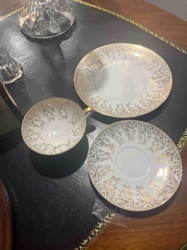
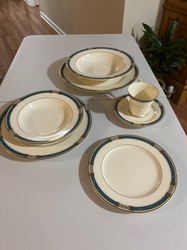
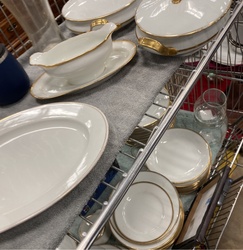
Submitted item photo
Submitted photo · May 18, 2026

User's notes

Herend Hungary Handpainted plate set

AI analysis below

AI appraisal

AI analysis & estimate

AI-Generated · Verify before acting

Everything below is generated by AI for informational purposes only. AI can make mistakes — the AI may misidentify items or misattribute them (artist, maker, brand, designer, origin, era). This is not an official valuation and should not be used for insurance, sale, tax, estate, legal, or lending purposes — or any decision requiring a certified appraisal. It is not an authoritative claim about any person, brand, or rights holder — do not share or rely on it as a factual statement about a third party. Always consult qualified professionals before making financial decisions.

Note

This analysis also relies on unverified notes provided by the user, which may be incomplete or inaccurate and could affect the result.

Read the full disclaimer

AI Identification

·Not independently authenticated·Verify before acting

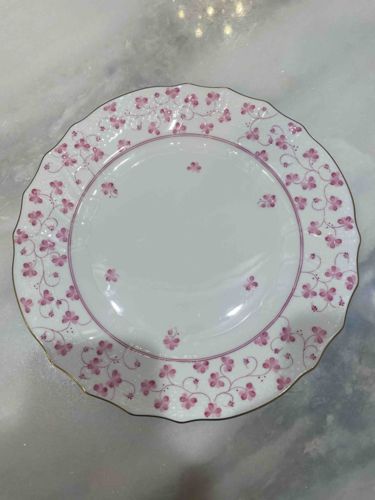
Herend Hungary Petit Rose (PR) Pattern Porcelain Plate

Fine Porcelain Dinnerware

AI Estimated Value

·Not an official valuation·Verify before acting

$450 - $650

As of May 18, 2026

AI Item Analysis

·AI can make mistakes·Verify before acting
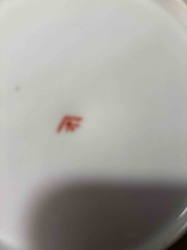
This is an exquisite fine porcelain plate manufactured by the renowned Herend Porcelain Manufactory in Hungary. The piece features the classic 'Petit Rose' (PR) pattern, characterized by delicate, hand-painted pink floral sprigs and winding leafy vines. The design is executed on a brilliant white hard-paste porcelain body, known for its translucency and durability. The plate features a scalloped edge highlighted by a fine 24-karat gold-gilded rim, a hallmark of Herend's high-end craftsmanship. The decoration includes a dense border of floral motifs with scattered sprigs in the central well and a thin pink circular accent line separating the rim from the basin. The quality of the hand-painting is exceptional, showing the subtle variations in shading that indicate professional artisan work. Stylistically, this pattern reflects a Romantic/Neoclassical influence popular in European fine china since the late 19th and 20th centuries. The condition appears excellent with no visible chips, cracks, or heavy crazing. The gilding remains intact along the scalloped perimeter, suggesting minimal use or careful curation. As a Herend piece, it would typically bear the blue underglaze shield mark and pattern codes on the underside. This specific pattern is highly collectible and represents the luxury tabletop traditions of Austro-Hungarian heritage.
AI Appraisal Report

·AI can make mistakes·Verify before acting
Based on my visual examination of the Herend Petit Rose (PR) porcelain plate set, I find the items to be authentic examples of the manufacturer's mid-20th to early 21st-century production. The hand-painted execution of the pink floral sprigs demonstrates the high level of skill expected from Herend artisans, specifically the subtle gradations in the rose petals and the crisp application of the 24k gold scalloped rim. The lack of visible wear on the gilding and the absence of 'seconds' marks suggests these were cabinet pieces or used only for special occasions, maintaining their 'Excellent' condition status. Herend remains a blue-chip name in the secondary market for fine porcelain. The Petit Rose pattern is a classic motif that maintains steady demand among collectors of Central European luxury goods. While not as rare as the 'Queen Victoria' or 'Rothschild Bird' patterns, its understated elegance appeals to Neoclassical tastes. Current market conditions for high-end porcelain are stable, though secondary market values generally hover between 30-50% of current retail replacement costs depending on the specific piece type (e.g., dinner plates vs. serving platters). Limitations: This appraisal is based strictly on high-resolution imagery. A definitive authentication requires an in-person inspection to verify the tactile ‘feel’ of the glaze, the weight of the hard-paste body, and the specific factory markings/artist signatures on the underside. Scientific testing is rarely required for Herend, but provenance documentation—such as original purchase receipts from authorized boutiques—would solidify the valuation. Any internal hairline fractures not visible to the eye but detectable by a ‘ring test’ would significantly decrease this valuation.

Get your items appraised

Instant estimates of your treasures with AI-powered appraisals

Browse More Appraisals