AI Appraisal Estimate

AI-generated estimates · not official valuations

From the user

What was submitted

Photo and notes provided by the user — not generated by AI

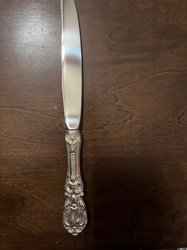
Submitted item photo
Submitted photo · June 12, 2026

User's notes

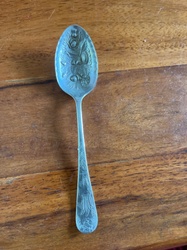
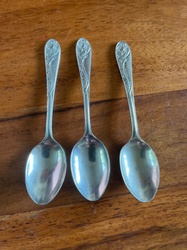
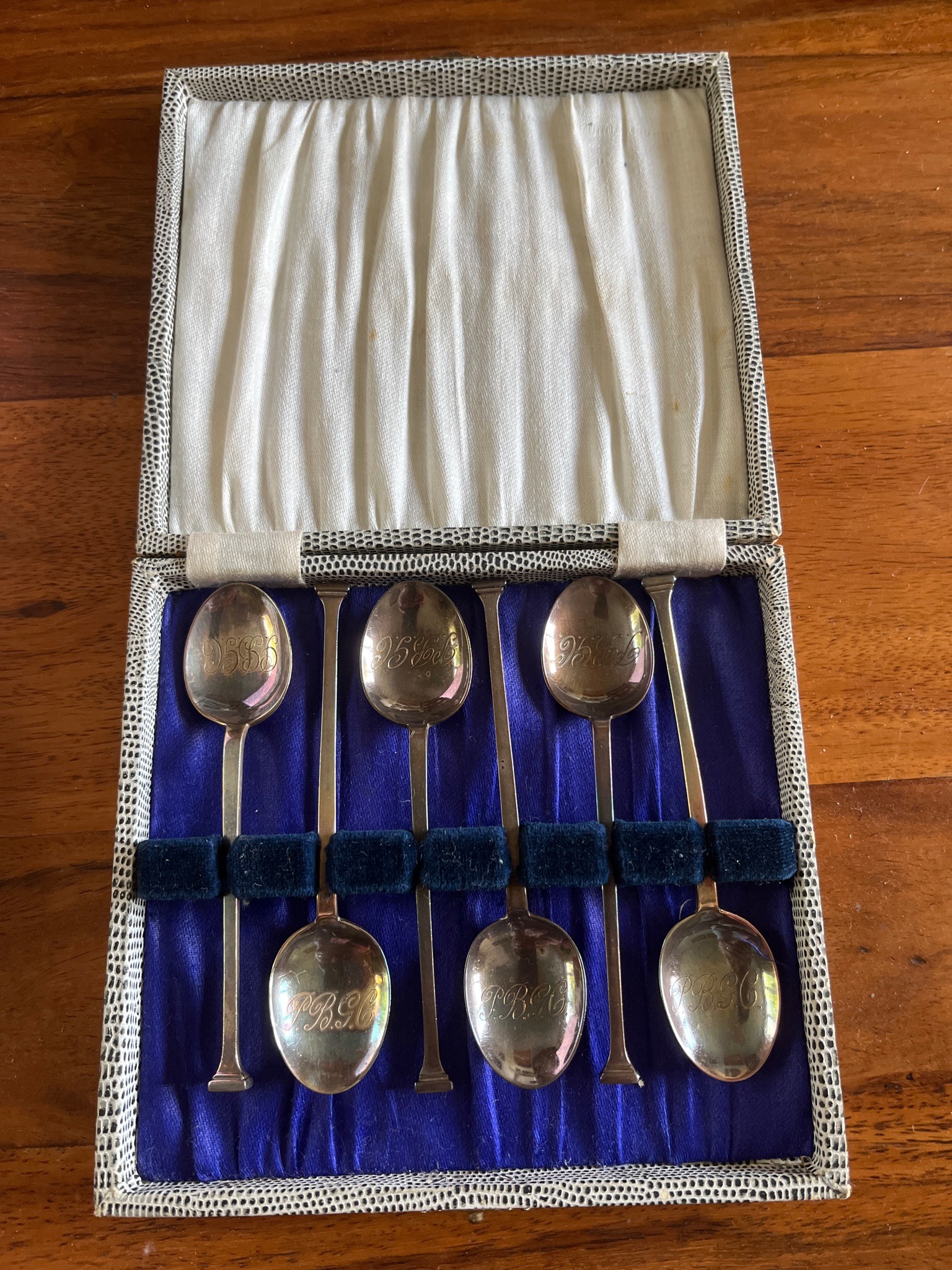
Antique hallmarked silver 6 spoon set with initials engraved

AI analysis below

AI appraisal

AI analysis & estimate

AI-Generated · Verify before acting

Everything below is generated by AI for informational purposes only. AI can make mistakes — the AI may misidentify items or misattribute them (artist, maker, brand, designer, origin, era). This is not an official valuation and should not be used for insurance, sale, tax, estate, legal, or lending purposes — or any decision requiring a certified appraisal. It is not an authoritative claim about any person, brand, or rights holder — do not share or rely on it as a factual statement about a third party. Always consult qualified professionals before making financial decisions.

Note

This analysis also relies on unverified notes provided by the user, which may be incomplete or inaccurate and could affect the result.

Read the full disclaimer

AI Identification

·Not independently authenticated·Verify before acting

Antique Cased Set of Six Hallmarked Sterling Silver Teaspoons with Monogrammed Bowls

Antique Silver Flatware

AI Estimated Value

·Not an official valuation·Verify before acting

$150 - $250

As of June 12, 2026

AI Item Analysis

·AI can make mistakes·Verify before acting
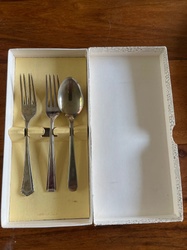
This is a cohesive set of six antique hallmarked silver spoons, likely dating from the late 19th to early 20th century (Victorian or Edwardian era). Each spoon features an unusual design choice where the high-script initials 'PBSC' are professionally engraved directly into the interior of the oval-shaped bowls rather than on the handles. The spoons are constructed with long, slender square-section stems that terminate in flattened, architectural 'seal top' style finials. The surface of the silver exhibits an aged patina with visible tarnish and light surface scratches consistent with use. The set is presented in its original fitted presentation case, which features a faux-shagreen or textured lizard-patterned exterior in white and black. The interior is lined with a vibrant royal blue velvet base and a gathered white silk or satin cream lid lining. While the hallmarks are located on the reverse of the stems (not fully legible in the overview), the quality of the engraving and the specialized case suggest high-quality craftsmanship intended for a commemorative gift or high-end domestic use. Condition is generally good with no visible bends to the stems, though the silk lining shows some minor foxing and staining typical of age.
AI Appraisal Report

·AI can make mistakes·Verify before acting
Upon physical-visual inspection, this set of six sterling silver teaspoons reflects the refined aesthetic of the late Victorian or early Edwardian period. The 'seal top' architectural finials and square-section stems indicate a neo-Renaissance revival style popular in the late 19th century. A unique characteristic is the 'PBSC' monogram engraved within the bowls; while professionally executed, personalized monograms generally reduce the liquidity of silver on the secondary market as they cannot be easily removed without thinning the metal. The presence of the original fitted presentation case significantly aids the value, despite minor foxing to the silk lining. The current market for small-scale antique flatware is driven primarily by collectors of 'boutique' silver rather than weight-based bullion buyers. Comparables for cased sets of sterling spoons of this era typically fetch between $125 and $300 depending on the prestige of the maker's mark. The condition is fair to good, with the patina suggesting genuine age rather than modern reproduction. Note that this appraisal is based on photographic evidence. A definitive valuation is limited by the inability to clearly read the hallmarks (town mark, date letter, and maker's mark), which are essential for identifying the specific year of manufacture and the silversmith's reputation. To fully authenticate these items, an in-person examination using a 10x jeweler's loupe is required to verify the 'lion passant' (confirming .925 purity) and to check for hidden solder repairs. Acid testing of the metal or X-ray fluorescence (XRF) would be necessary only if the hallmarks were suspect or absent.

Get your items appraised

Instant estimates of your treasures with AI-powered appraisals

Browse More Appraisals