AI Appraisal Estimate

AI-generated estimates · not official valuations

From the user

What was submitted

Photo and notes provided by the user — not generated by AI

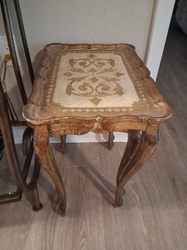
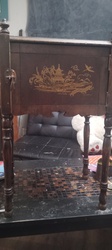
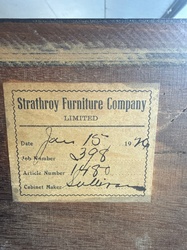
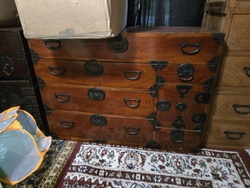
Submitted item photo
Submitted photo · May 26, 2026

User's notes

Antique table

AI analysis below

AI appraisal

AI analysis & estimate

AI-Generated · Verify before acting

Everything below is generated by AI for informational purposes only. AI can make mistakes — the AI may misidentify items or misattribute them (artist, maker, brand, designer, origin, era). This is not an official valuation and should not be used for insurance, sale, tax, estate, legal, or lending purposes — or any decision requiring a certified appraisal. It is not an authoritative claim about any person, brand, or rights holder — do not share or rely on it as a factual statement about a third party. Always consult qualified professionals before making financial decisions.

Note

This analysis also relies on unverified notes provided by the user, which may be incomplete or inaccurate and could affect the result.

Read the full disclaimer

AI Identification

·Not independently authenticated·Verify before acting

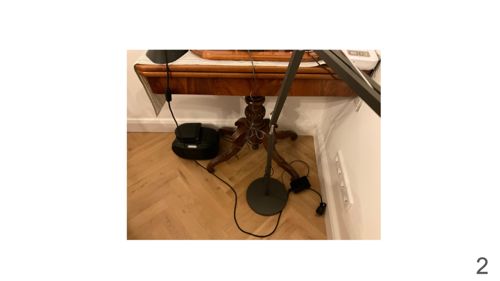
Victorian Mahogany Tilt-Top Pedestal Table

Antique Furniture

AI Estimated Value

·Not an official valuation·Verify before acting

$450 - $700

As of May 26, 2026

AI Item Analysis

·AI can make mistakes·Verify before acting
This is an antique pedestal table, likely dating to the mid-to-late Victorian era (circa 1860-1890). The piece is constructed from mahogany with a highly figured flame mahogany veneer visible on the deep apron of the tabletop. The design features a rectangular top with rounded outer corners and a thumb-molded edge. The top sits upon a substantial turned central bulbous pedestal, which is intricately carved with ring turnings. This pedestal is supported by a tripod base consisting of three cabriole or 'S-scroll' legs terminating in padded or scroll feet. The wood exhibits a deep, warm reddish-brown patina characteristic of aged mahogany. Regarding condition, there is visible surface wear consistent with age, including minor scuffs to the legs and patina loss on the base. The structural integrity appears solid, with significant craftsmanship evident in the balanced transition from the heavy apron to the ornate tripod base. No maker's marks are immediately visible in the provided image, but the quality of the veneer and the complexity of the pedestal turnings suggest a high level of 19th-century cabinetmaking.
AI Appraisal Report

·AI can make mistakes·Verify before acting
Upon examining the images of this Victorian mahogany pedestal table, I date it to the mid-to-late 19th century, roughly 1860-1880. The piece displays classic traits of the period, particularly the use of flame mahogany veneer on the deep apron—a clear indicator of quality cabinetmaking aimed at showcasing the wood's grain. The bulbous, ring-turned central pedestal provides a solid anchor, transitioning gracefully into the tripod cabriole legs. The deep, reddish-brown patina appears authentic to aged mahogany rather than a modern staining attempt. Condition is a primary factor here. While structurally sound, the surface wear on the legs and patina loss on the base are typical but do impact the final valuation compared to a pristine example. The market for Victorian brown furniture has softened significantly in recent decades, though unique pedestal tables remain functional and desirable as accent pieces. Comparable sales at regional auction houses for similar tripod tables generally fall within the $300 to $600 range, with retail gallery prices stretching slightly higher based on restoration quality. My valuation assumes the tilt mechanism (if present, as implied by the form) is functional and the top is original to the base, as marriage pieces are common. To fully authenticate the piece and maximize value, an in-person inspection is critical. I would need to examine the underside of the table for saw marks or older hardware (screws vs. nails) to confirm the dating. Furthermore, verifying that the veneer is stable without lifting is impossible from photographs alone. Without proven provenance or maker's marks, it is valued as a high-quality, non-attributed period piece.

Get your items appraised

Instant estimates of your treasures with AI-powered appraisals

Browse More Appraisals