AI Appraisal Estimate

AI-generated estimates · not official valuations

From the user

What was submitted

Photo and notes provided by the user — not generated by AI

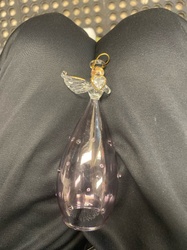
Submitted item photo
Submitted photo · June 1, 2026

User's notes

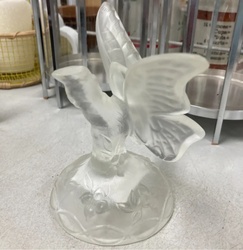
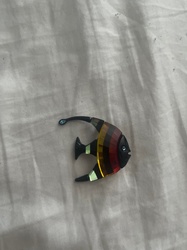
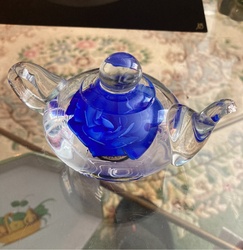
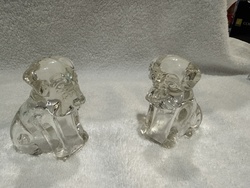
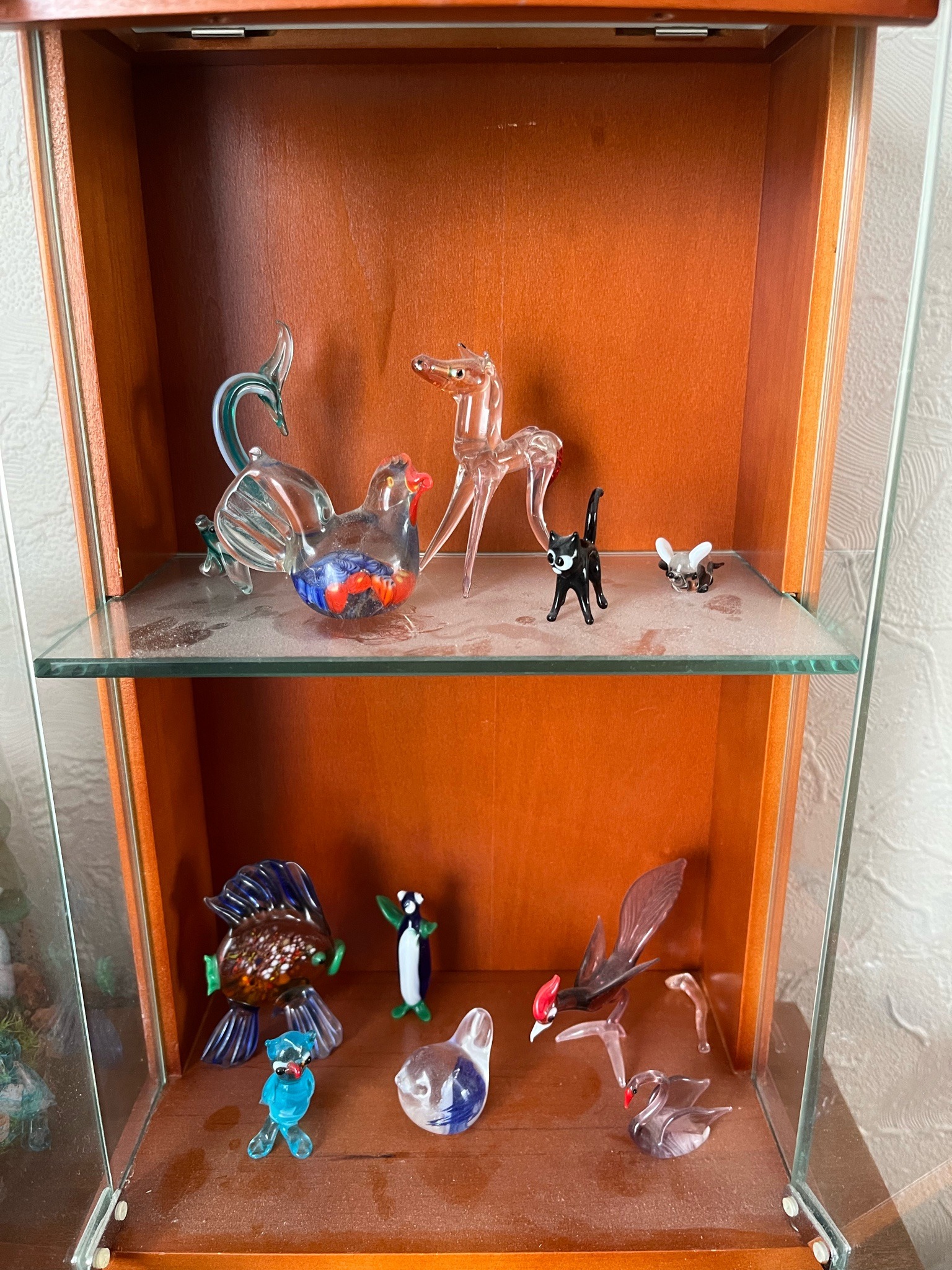
Various miniature Vintage blown glass ornament

AI analysis below

AI appraisal

AI analysis & estimate

AI-Generated · Verify before acting

Everything below is generated by AI for informational purposes only. AI can make mistakes — the AI may misidentify items or misattribute them (artist, maker, brand, designer, origin, era). This is not an official valuation and should not be used for insurance, sale, tax, estate, legal, or lending purposes — or any decision requiring a certified appraisal. It is not an authoritative claim about any person, brand, or rights holder — do not share or rely on it as a factual statement about a third party. Always consult qualified professionals before making financial decisions.

Note

This analysis also relies on unverified notes provided by the user, which may be incomplete or inaccurate and could affect the result.

Read the full disclaimer

AI Identification

·Not independently authenticated·Verify before acting

Collection of Vintage Miniature Lampwork Glass Figures

Collectible Glassware / Figurines

AI Estimated Value

·Not an official valuation·Verify before acting

$125 - $185

As of June 1, 2026

AI Item Analysis

·AI can make mistakes·Verify before acting
This is a diverse collection of ten vintage miniature glass animal figurines, displayed across two glass shelves within a wooden cabinet. The collection includes a variety of fauna such as a stylized rooster, a slender giraffe or deer, a tuxedo cat, a small rodent, a large tropical fish, a penguin, a woodpecker or cardinal, a blue bear, a snail, and a swan. Each piece is crafted using lampworking (torchwork) techniques, where colored glass rods are heated and hand-manipulated. The sizes range approximately from 0.5 inches to 3 inches in height. Materials include clear, opaque, and translucent colored glass, with some pieces featuring internal swirls or 'frit' inclusions, most notably seen in the large fish and the rooster. The craftsmanship varies from simple, folk-art styles to more delicate, elongated forms like the pinkish quadruped. Direct makers' marks are not visible, but the style is consistent with mid-century European (specifically Italian Murano or Czech/Bohemian) or Japanese glass miniatures from the 1950s-1970s. Condition appears generally good, though fine extremities on miniature glass are highly susceptible to micro-fractures; a potential break or missing limb is noted on the pinkish quadruped's rear leg. Some dust and shelf wear are visible on the glass display surface. The iridescent qualities and varied saturation of the glass suggest an era-specific chemical composition, typical of collectible miniature glass from the mid-20th century.
AI Appraisal Report

·AI can make mistakes·Verify before acting
I have virtually examined this collection of ten miniature lampwork glass figures. These pieces represent a popular mid-century category of collectible glass, likely originating from European or Japanese makers between 1950 and 1975. The craftsmanship relies on the lampworking technique, where glass rods are manipulated by hand over a flame. Notably, the large tropical fish and the stylized rooster demonstrate superior complexity, utilizing internal 'frit' and controlled color swirls (zanfirico or latticino variations), which are more desirable in the secondary market than more simplistic forms. The condition is generally good, though I have flagged a potential fracture on the rear limb of the pink quadruped. In miniature glass, even microscopic chips to extremities significantly reduce individual value. Authenticity as 'vintage' is supported by the specific saturation of the opaque colors and the slight iridescence, characteristic of older soda-lime glass compositions. The market for these items remains stable among niche collectors of 'Bimini' style or Murano miniatures, though the lack of signatures or original foil labels limits the premium potential. Limitations: My assessment is based solely on digital imagery. A definitive identification of the glass house (such as Seguso or Lauscha) would require physical examination of the pontil marks or remaining adhesive residue from labels. To fully authenticate these pieces, provenance documentation or a physical inspection under a 10x jeweler's loupe is necessary to distinguish these from modern mass-produced Chinese or Mexican replicas, and to check for professional repairs that are invisible in photographs.

Get your items appraised

Instant estimates of your treasures with AI-powered appraisals

Browse More Appraisals