Septarian Nodule
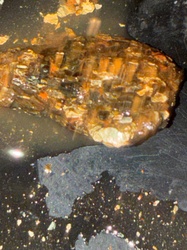
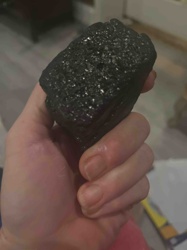
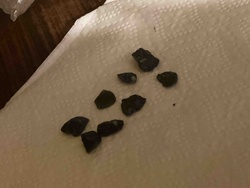
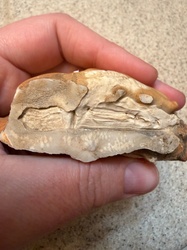
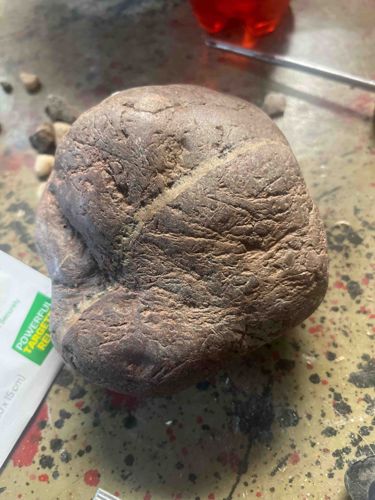
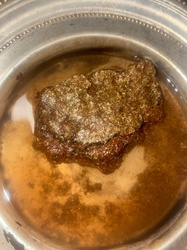
This object is a natural septarian nodule, characterized by its rounded, somewhat irregular boulder-like shape. The specimen displays a weathered, earthy brown exterior with a heavily textured surface featuring numerous fine cracks and indentations. A prominent, lighter-colored mineral vein—likely calcite or siderite—bisects a portion of the surface, creating a distinct visual line. The material appears dense and heavy, consistent with sedimentary concretion formation. Its coloration ranges from dark umber to a dusty reddish-brown, suggesting iron oxide content. The texture is rough and matte, indicating it has not been polished, preserving its raw geologic state. There is evidence of natural environmental weathering including minor surface pitting and abrasions, but no significant mechanical damage is visible. These nodules typically form in seabed mud during the Cretaceous period, often 50 to 70 million years ago. While the exterior is modest, such nodules are valued for the possibility of hosting intricate internal crystalline 'map' patterns if cut and polished. No maker's marks exist as it is a natural geological curiosity. The size appears to be approximately 4-6 inches across based on surrounding context items.
AI-Generated Appraisal Disclaimer
Estimated Value
$45.00 - $75.00
Basic Information
Category
Geological Specimens / Minerals
Appraised On
April 7, 2026
Estimated Value
$45.00 - $75.00
Item Description
This object is a natural septarian nodule, characterized by its rounded, somewhat irregular boulder-like shape. The specimen displays a weathered, earthy brown exterior with a heavily textured surface featuring numerous fine cracks and indentations. A prominent, lighter-colored mineral vein—likely calcite or siderite—bisects a portion of the surface, creating a distinct visual line. The material appears dense and heavy, consistent with sedimentary concretion formation. Its coloration ranges from dark umber to a dusty reddish-brown, suggesting iron oxide content. The texture is rough and matte, indicating it has not been polished, preserving its raw geologic state. There is evidence of natural environmental weathering including minor surface pitting and abrasions, but no significant mechanical damage is visible. These nodules typically form in seabed mud during the Cretaceous period, often 50 to 70 million years ago. While the exterior is modest, such nodules are valued for the possibility of hosting intricate internal crystalline 'map' patterns if cut and polished. No maker's marks exist as it is a natural geological curiosity. The size appears to be approximately 4-6 inches across based on surrounding context items.
Related Tags
Get Your Items Appraised
Instant estimates of your treasures with AI-powered instant appraisals