AI Appraisal Estimate

AI-generated estimates · not official valuations

From the user

What was submitted

Photo and notes provided by the user — not generated by AI

Submitted item photo
Submitted photo · June 3, 2026

User's notes

No additional notes provided.

AI analysis below

AI appraisal

AI analysis & estimate

AI-Generated · Verify before acting

Everything below is generated by AI for informational purposes only. AI can make mistakes — the AI may misidentify items or misattribute them (artist, maker, brand, designer, origin, era). This is not an official valuation and should not be used for insurance, sale, tax, estate, legal, or lending purposes — or any decision requiring a certified appraisal. It is not an authoritative claim about any person, brand, or rights holder — do not share or rely on it as a factual statement about a third party. Always consult qualified professionals before making financial decisions.

Read the full disclaimer

AI Identification

·Not independently authenticated·Verify before acting

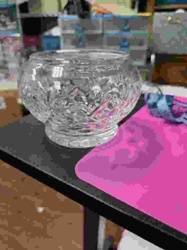
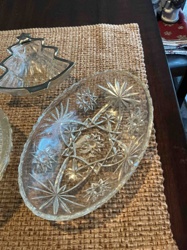
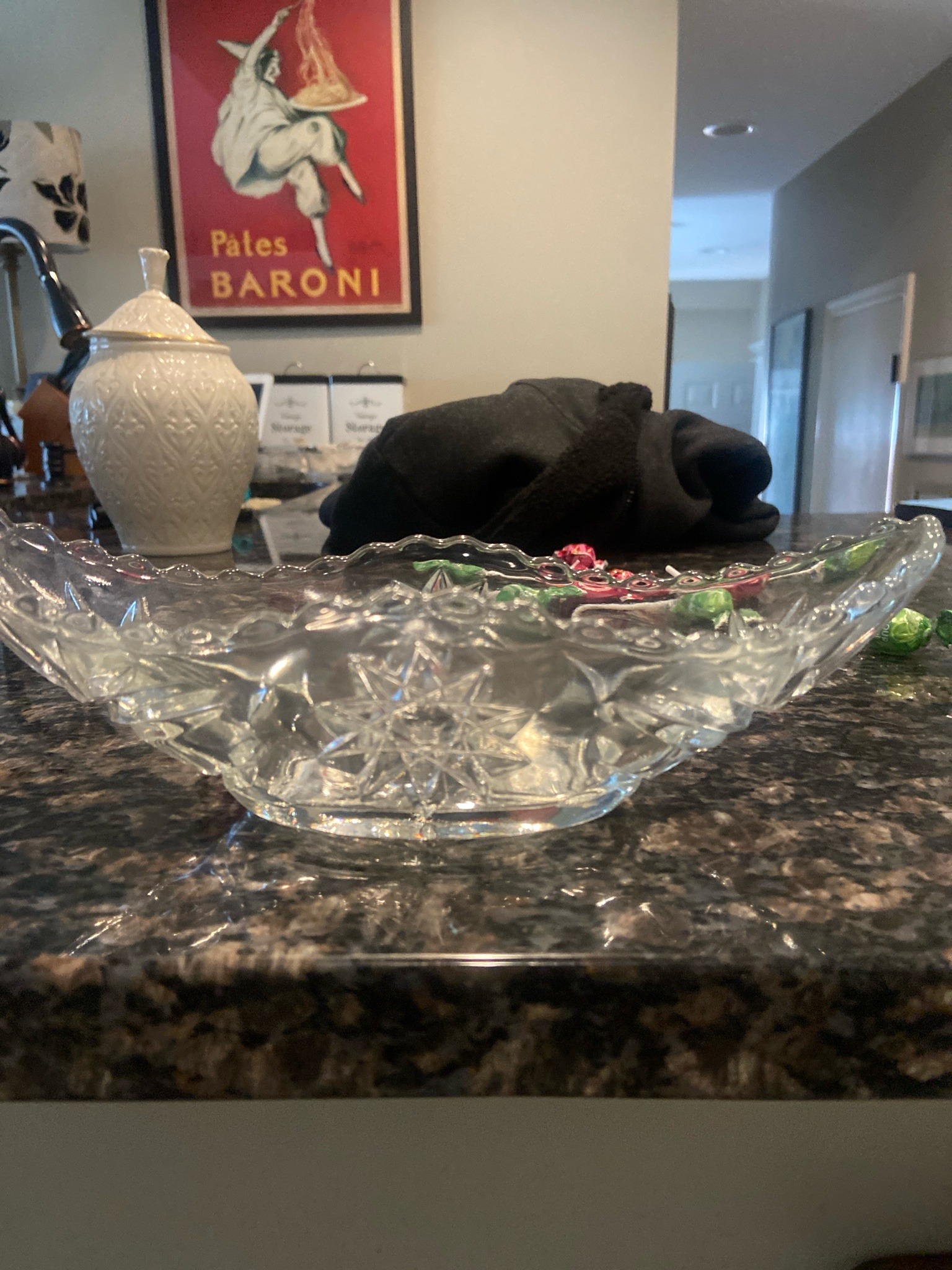
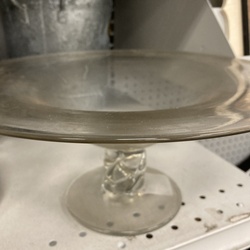
Pressed Glass Banana Boat Bowl in Star and Cane Pattern

Antique and Vintage Glassware

AI Estimated Value

·Not an official valuation·Verify before acting

$45.00 - $65.00

As of June 3, 2026

AI Item Analysis

·AI can make mistakes·Verify before acting
This item is a clear pressed glass serving bowl, often referred to as a 'banana boat' due to its elongated, oval shape and gracefully upswept ends. The piece features an intricate molded design known as the 'Star and Cane' pattern, which consists of large radiating hexagonal stars interspersed with fine hobnail and cross-hatched cane textures. The rim is finished with a rhythmic scalloped or sawtooth edge that adds a tactile elegance to the silhouette. Measuring approximately 10 to 12 inches in length, the bowl is constructed from heavy-lead or soda-lime glass, resulting in a substantial weight and bright clarity that mimics the appearance of hand-cut crystal. The craftsmanship reflects the production standards of the early to mid-20th century, likely produced by an American glass manufacturer such as Libby or Anchor Hocking. The condition appears excellent with no visible chips or cracks along the delicate scalloped rim, though some minor surface scratches consistent with utilitarian use may be present upon closer inspection. The thick base provides stability, making it both a functional serving piece for fruit or confections and a decorative mantle display. The reflective properties of the deep molding allow it to catch and disperse light brilliantly.
AI Appraisal Report

·AI can make mistakes·Verify before acting
I have examined the digital representation of the Pressed Glass Banana Boat Bowl in the Star and Cane pattern. This piece is a classic example of Early American Pattern Glass (EAPG) style, likely manufactured during the early 20th century. The clarity of the soda-lime glass and the precision of the sawtooth rim suggest a quality production run. Physically, the item appears in excellent condition; I observe no significant chips to the sharp points of the scalloped edge, which is the primary area of vulnerability for this form. Authenticity is consistent with the molding techniques of the period. The current market for EAPG and mid-century pressed glass is stable but saturated. Comparable pieces from manufacturers like Imperial Glass or US Glass Company frequently appear at auction and in antique malls. While the 'Star and Cane' motif is aesthetically pleasing and highly reflective, it remains a relatively common pattern compared to rarer 'Greentown' or colored carnival glass variations. The 'banana boat' shape maintains a niche demand for both functional use and Victorian-era themed table settings. Limitations: My assessment is based solely on high-resolution imagery. Without a physical inspection, I cannot verify the presence of 'straw marks' or bubbles consistent with period glass vs. modern reproductions. A blacklight (UV) test is required to check for the presence of manganese, which would produce a lime-green glow indicating an older production date. Furthermore, a tactile examination of the mold seams and base wear would be necessary to confirm original provenance versus a mid-century reissue. Documentation of original purchase or a family history of ownership would further solidify its heritage value.

Get your items appraised

Instant estimates of your treasures with AI-powered appraisals

Browse More Appraisals