AI Appraisal Estimate

AI-generated estimates · not official valuations

From the user

What was submitted

Photo and notes provided by the user — not generated by AI

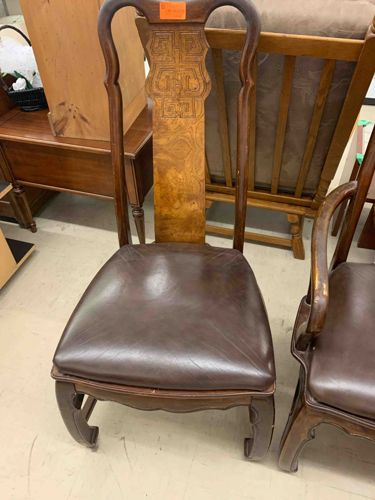
Submitted item photo
Submitted photo · May 30, 2026

User's notes

No additional notes provided.

AI analysis below

AI appraisal

AI analysis & estimate

AI-Generated · Verify before acting

Everything below is generated by AI for informational purposes only. AI can make mistakes — the AI may misidentify items or misattribute them (artist, maker, brand, designer, origin, era). This is not an official valuation and should not be used for insurance, sale, tax, estate, legal, or lending purposes — or any decision requiring a certified appraisal. It is not an authoritative claim about any person, brand, or rights holder — do not share or rely on it as a factual statement about a third party. Always consult qualified professionals before making financial decisions.

Read the full disclaimer

AI Identification

·Not independently authenticated·Verify before acting

Asian-Inspired Burl Wood Yoke Back Dining Chair

Furniture

AI Estimated Value

·Not an official valuation·Verify before acting

$150-250

As of May 30, 2026

AI Item Analysis

·AI can make mistakes·Verify before acting
This is a vintage or antique Asian-inspired dining chair constructed primarily of dark wood, possibly mahogany or a similar hardwood, with a prominent burl wood panel in the backrest. The chair features a distinctive 'yoke back' style crest rail, curving outwards at the top, and subtly curved stiles. The central backrest panel is made of a lighter, highly figured burl wood, which creates a striking contrast with the darker frame and is carved with traditional auspicious symbols, possibly stylized Shou (longevity) characters or geometric patterns. The seat is upholstered in a dark brown, possibly leather or faux leather, cushion, exhibiting some creasing and slight sheen consistent with use and age. The legs appear to be of a cabriole-like or scrolled design, typical of Asian furniture styles, ending in what might be small foot elements. The overall construction suggests solid joinery and good craftsmanship. Visible condition issues include minor wear on the wooden frame, noticeable in areas like the top of the crest rail where a price tag is affixed, and minor scuffs or abrasions on the legs. The finish shows a rich patina indicative of age. The design elements point towards an East Asian aesthetic, likely Chinese or Chinese export, possibly from the mid-20th century or earlier. The quality of the carving and the use of attractive wood grain (burl) suggests a well-made piece designed for durability and aesthetic appeal.
AI Appraisal Report

·AI can make mistakes·Verify before acting
Based on my visual examination of the provided image, this Asian-inspired yoke back dining chair presents as a well-crafted piece, likely originating from the mid-20th century. The use of a contrasting burl wood panel inset into a darker hardwood frame is a notable feature, indicating a higher level of decorative intent. The carving within the splat, possibly representing auspicious symbols, and the cabriole-style legs are consistent with Chinese furniture design. The condition appears good for its age, with minor wear, scuffs, and a developing patina, which are expected and do not significantly detract from its value. The upholstery shows signs of use but seems intact. Market demand for single, vintage, Asian-style dining chairs is moderate; they are often sought as accent pieces rather than part of a full set. Comparable single chairs of similar quality and age typically sell in the low to mid-hundreds at auction or in retail settings. The primary value driver here is the aesthetic appeal of the burl wood and the overall decorative quality. However, this appraisal is limited by the inability to conduct a physical inspection. Without handling the piece, I cannot confirm the specific wood species, verify the joinery techniques (e.g., mortise and tenon vs. modern fasteners), or assess its structural integrity. Full authentication would require examining for maker's marks, assessing tool marks to confirm age, and reviewing any available provenance documentation to trace its history.

Get your items appraised

Instant estimates of your treasures with AI-powered appraisals

Browse More Appraisals