AI Appraisal Estimate

AI-generated estimates · not official valuations

From the user

What was submitted

Photo and notes provided by the user — not generated by AI

Submitted item photo
Submitted photo · May 27, 2026

User's notes

No additional notes provided.

AI analysis below

AI appraisal

AI analysis & estimate

AI-Generated · Verify before acting

Everything below is generated by AI for informational purposes only. AI can make mistakes — the AI may misidentify items or misattribute them (artist, maker, brand, designer, origin, era). This is not an official valuation and should not be used for insurance, sale, tax, estate, legal, or lending purposes — or any decision requiring a certified appraisal. It is not an authoritative claim about any person, brand, or rights holder — do not share or rely on it as a factual statement about a third party. Always consult qualified professionals before making financial decisions.

Read the full disclaimer

AI Identification

·Not independently authenticated·Verify before acting

Baroque or Rococo Style Collector's Cabinet with Architectural Elements and Figure

Furniture / Cabinetry

AI Estimated Value

·Not an official valuation·Verify before acting

$40,000-60,000

As of May 27, 2026

AI Item Analysis

·AI can make mistakes·Verify before acting
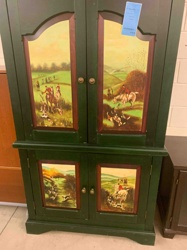
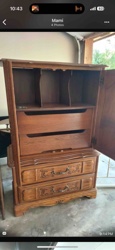
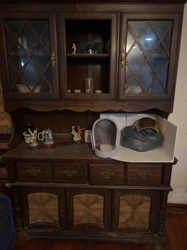
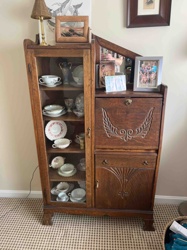
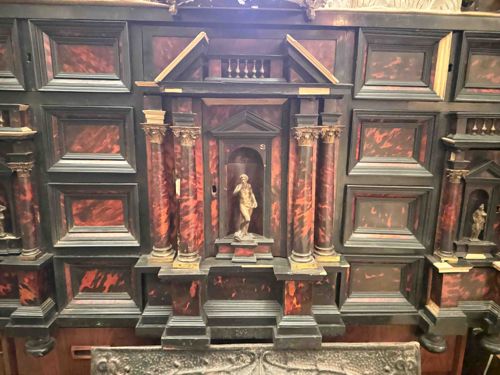
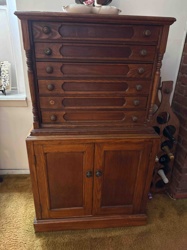
This appears to be a meticulously crafted Baroque or early Rococo period cabinet, possibly a writing cabinet or a collector's cabinet (Wunderkammer). It is constructed primarily from wood, with a dark, possibly ebonized or stained, outer frame and highly contrasting, reddish-brown veneered panels. The veneer exhibits a distinctive mottled or 'tortoiseshell' pattern, suggesting it might be made of tortoiseshell or a faux tortoiseshell material, possibly polished wood with a very pronounced grain or lacquerwork. The cabinet features intricate architectural elements, most notably a central 'temple' motif with a protruding pediment at the top, supported by fluted columns with gilded Corinthian capitols. These columns frame a recessed niche housing a small, light-colored statue, likely of a classical figure, possibly ivory, bone, or alabaster. Flanking the central section are panels with raised, ebonized frames surrounding the reddish-brown veneer. The overall appearance suggests a grand scale, though exact dimensions are not discernible from the image. The craftsmanship appears to be of high quality, with precise joinery and detailed ornamentation. There are visible signs of age consistent with antique furniture, including some minor surface wear, slight darkening of the wood, and a rich patina. The gilding on the column capitals shows some minor tarnishing or wear, indicative of age and handling. This is a highly decorative piece designed to make a statement, showcasing wealth and an appreciation for classical forms and intricate artistry. The construction displays a mastery of veneering and ornamental carving techniques typical of high-end furniture from the 17th or 18th century.
AI Appraisal Report

·AI can make mistakes·Verify before acting
Based on my visual examination of the images, this cabinet presents as a significant and high-quality example of Baroque or early Rococo furniture, likely dating to the late 17th or early 18th century. The piece is distinguished by its strong architectural form, featuring a central pediment, fluted columns with gilded Corinthian capitals, and a niche housing a figural sculpture. The use of a striking 'tortoiseshell' veneer, possibly authentic or a masterful faux finish, set against an ebonized frame, denotes luxury and skilled craftsmanship typical of top-tier workshops of the period. The condition appears very good for its age, displaying a desirable patina with minor wear and tarnishing consistent with a genuine antique. The primary value drivers are its impressive decorative appeal, the quality of materials, and its apparent rarity. The market for grand, historically significant furniture of this type is strong among discerning collectors and interior designers. However, a definitive valuation is limited by the inability to physically inspect the piece. A complete appraisal would require an in-person examination to verify the construction techniques (e.g., dovetails), confirm the materials used (e.g., actual tortoiseshell versus lacquer or wood, the composition of the statue, the type of gilding), and check for restorations. Provenance documentation or maker's marks, if any, would substantially impact the value. Scientific analysis could further confirm the age of the materials. Without these verifications, the piece is appraised based on its strong stylistic and visual merits.

Get your items appraised

Instant estimates of your treasures with AI-powered appraisals

Browse More Appraisals