AI Appraisal Estimate

AI-generated estimates · not official valuations

From the user

What was submitted

Photo and notes provided by the user — not generated by AI

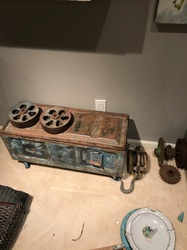
Submitted item photo
Submitted photo · May 19, 2026

User's notes

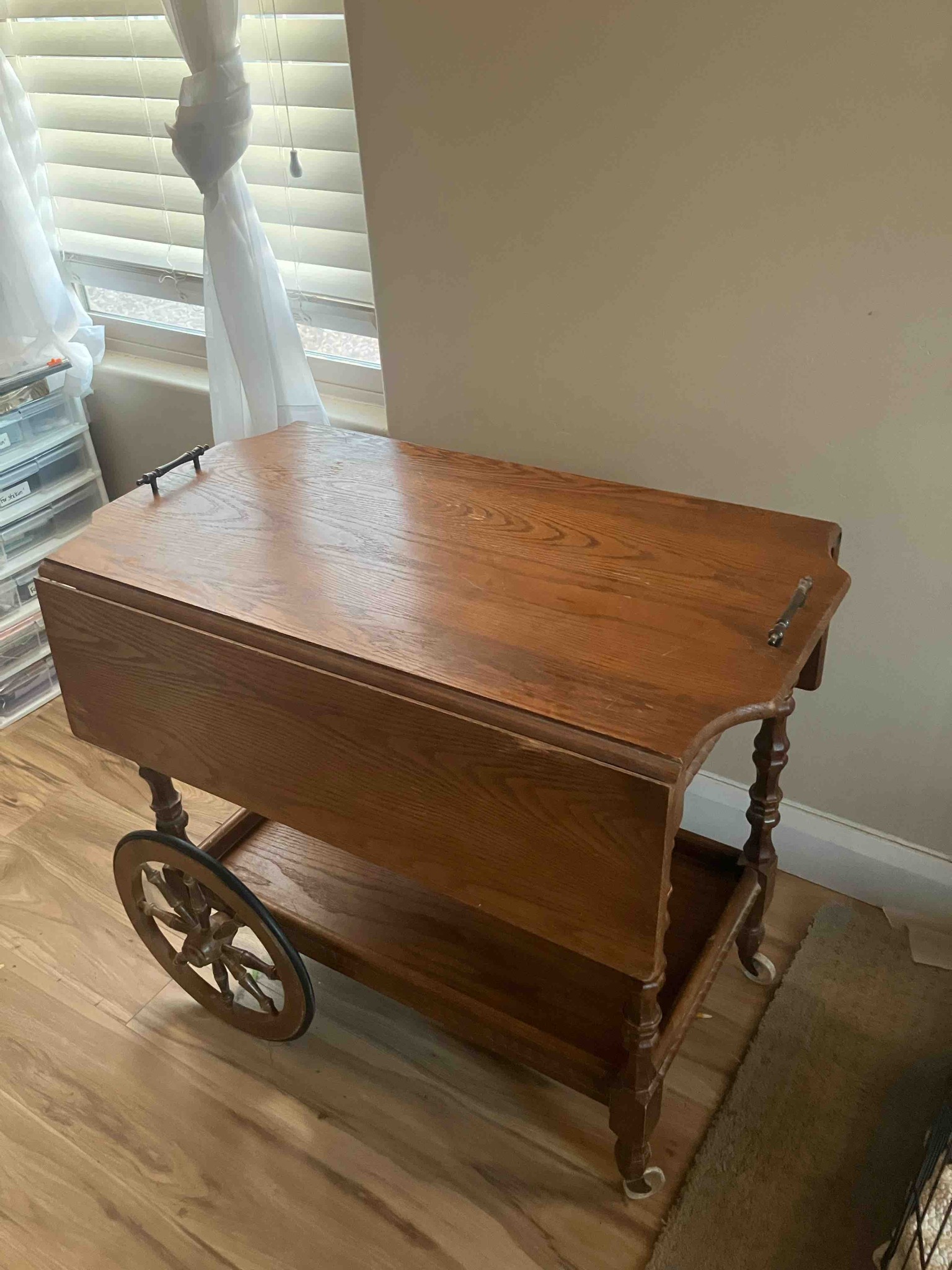
Tea cart front wheels plastic back wheels wood

AI analysis below

AI appraisal

AI analysis & estimate

AI-Generated · Verify before acting

Everything below is generated by AI for informational purposes only. AI can make mistakes — the AI may misidentify items or misattribute them (artist, maker, brand, designer, origin, era). This is not an official valuation and should not be used for insurance, sale, tax, estate, legal, or lending purposes — or any decision requiring a certified appraisal. It is not an authoritative claim about any person, brand, or rights holder — do not share or rely on it as a factual statement about a third party. Always consult qualified professionals before making financial decisions.

Note

This analysis also relies on unverified notes provided by the user, which may be incomplete or inaccurate and could affect the result.

Read the full disclaimer

AI Identification

·Not independently authenticated·Verify before acting

Mid-to-late 20th-century style wooden rolling tea cart with drop-leaves

Furniture

AI Estimated Value

·Not an official valuation·Verify before acting

$150 - $250

As of May 19, 2026

AI Item Analysis

·AI can make mistakes·Verify before acting
This item is a wooden rolling tea or bar cart, stylistically consistent with Colonial Revival or traditional mid-to-late 20th-century furniture. The cart features a rectangular top with two drop-leaf extensions and is constructed from wood with a visible grain consistent with oak or ash, finished in a medium-brown honey stain. It includes two decorative metal handles on the top surface. The structure is supported by four turned spool-style legs. As noted by the owner, the cart is equipped with two large wooden rear wheels resembling wagon wheels with rubberized treads and two smaller front swivel casters (identified by the owner as plastic). There is a lower storage shelf with a raised lip to prevent items from sliding off. The edges of the top surface are scalloped, a detail often found in mid-century traditional designs. Some visible wear is apparent, including scuffing along the drop-leaf edges and minor finish degradation on the legs. No maker's marks, signatures, or branding are visible in the image to identify a specific manufacturer; the attribution to its era is based entirely on aesthetic design and material construction. Please note that the owner's description of wheel materials remains unverified by physical inspection.

AI Appraisal Report

·AI can make mistakes·Verify before acting
Based on my visual analysis of the provided image, I have examined this wooden rolling tea cart. It exhibits stylistic elements consistent with Colonial Revival or traditional mid-to-late 20th-century furniture, such as the turned spool legs and scalloped drop-leaf edges. While the owner identifies the rear wheels as wood and the front casters as plastic, I cannot verify these material compositions or the structural integrity of the joints from a photograph alone. The medium-brown honey finish and visible grain suggest a wood such as oak or ash, though physical inspection would be required to confirm the species and whether the construction utilizes solid wood or veneers. The value estimate is based on the assumption that this is a mass-produced piece from a manufacturer like Tell City or Cushman, though it bears no visible maker's marks. This specific style of 'Early American' revival furniture currently sees moderate demand within the secondary vintage market, primarily for its functional utility rather than as a high-value collectible. The scuffing and finish wear noted on the drop-leaves and legs are typical for its age but do negatively impact the retail value. To confirm a more specific attribution, a physical examination of the underside for branded stamps or paper labels would be necessary. If this item were found to be a more modern reproduction using lower-quality composite materials or if the mechanical components like the wheels are damaged, the value would likely fall below $75. Conversely, if it were identified as being by a highly sought-after mid-century designer—though its traditional aesthetic makes this less likely—the value could increase. This appraisal assumes the item is a standard vintage piece of its type in fair-to-good condition.

Get your items appraised

Instant estimates of your treasures with AI-powered appraisals

Browse More Appraisals