AI Appraisal Estimate

AI-generated estimates · not official valuations

From the user

What was submitted

Photo and notes provided by the user — not generated by AI

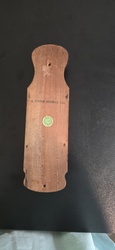
Submitted item photo
Submitted photo · June 27, 2026

User's notes

Wood alike frame for years since the 1970s

AI analysis below

AI appraisal

AI analysis & estimate

AI-Generated · Verify before acting

Everything below is generated by AI for informational purposes only. AI can make mistakes — the AI may misidentify items or misattribute them (artist, maker, brand, designer, origin, era). This is not an official valuation and should not be used for insurance, sale, tax, estate, legal, or lending purposes — or any decision requiring a certified appraisal. It is not an authoritative claim about any person, brand, or rights holder — do not share or rely on it as a factual statement about a third party. Always consult qualified professionals before making financial decisions.

Note

This analysis also relies on unverified notes provided by the user, which may be incomplete or inaccurate and could affect the result.

Read the full disclaimer

AI Identification

·Not independently authenticated·Verify before acting

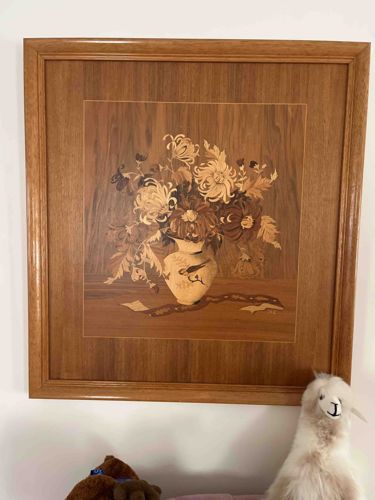
Inlaid Marquetry Wood Panel Still Life with Vase and Flowers

Wall Art / Decorative Woodwork

AI Estimated Value

·Not an official valuation·Verify before acting

$150 - $250

As of June 27, 2026

AI Item Analysis

·AI can make mistakes·Verify before acting
This item is a square inlaid wood marquetry wall art panel depicting a floral still life. The central composition features a detailed bouquet of various flowers, including what appear to be chrysanthemums and dahlias, arranged in a rounded vase adorned with a bird-on-branch motif. The piece utilizes several types of wood veneers in varying tones—ranging from pale blonde to deep chocolate brown—to create shading, depth, and texture through the natural grain of the wood. The central artwork is inset within a larger wood-grain panel background and finished with a matching light-oak toned outer frame. The overall aesthetic is characteristic of mid-to-late 20th-century European or American decorative arts, specifically consistent with the craft revival of the 1970s. The craftsmanship displays fine detail in the petal shapes and the intricate bird design on the vase. Condition appears fair to good based on visual inspection; the wood surface retains a soft luster, though age-related darkening of the finish and fine surface scratches are expected. There are no obvious signs of major missing veneer pieces or warping visible in the provided image. The framing appears consistent with the period and remains sturdy.
AI Appraisal Report

·AI can make mistakes·Verify before acting
After a visual examination of this inlaid marquetry wood panel, I find it to be a representative example of 1970s decorative craft revivalism. The piece demonstrates competent craftsmanship, utilizing varying wood grains to simulate light and shadow, particularly in the chrysanthemum petals and the chinoiserie-style bird motif on the vase. Based on the aging of the finish and the frame style, it appears consistent with mass-produced or semi-custom studio works popularized in Europe and the United States during the late mid-century period. The condition appears fair to good. While the luster is preserved, there is observable UV-related darkening of the lighter veneers and minor surface abrasions consistent with fifty years of display. The market for vintage marquetry is currently stable but niche; buyers typically seek these as 'boho-chic' or mid-century modern accent pieces rather than high-fine art. Comparables for unsigned 1970s floral marquetry panels of this size typically hammer at auction between $100 and $300. Value is primarily driven by the complexity of the inlay and the lack of veneer lifting. However, this appraisal is limited by the digital nature of the inspection. Without a physical examination, I cannot determine if the 'inlay' is true veneer or a high-quality photographic laminate, nor can I verify the presence of a maker's mark on the reverse. A full authentication would require removing the back dust cover to inspect the substrate and joinery, as well as provenance documentation or a signature to link it to a specific artisan or studio such as Spignoli or similar Italian workshops.

Get your items appraised

Instant estimates of your treasures with AI-powered appraisals

Browse More Appraisals